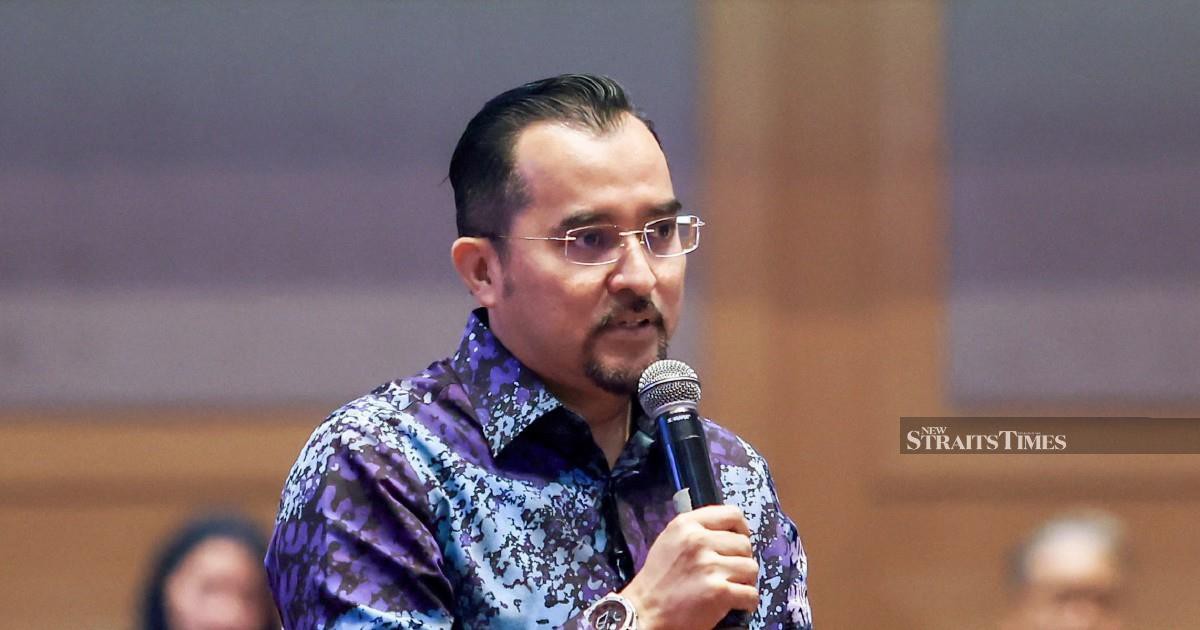
The Tabung Haji financial scandal continues to roil Malaysian politics, with Umno now confronting mounting accusations that it is using its political machinery to shield those responsible for the institution's accounting irregularities. Datuk Dr Asyraf Wajdi Dusuki, who leads Umno's administrative apparatus as secretary-general, has categorically rejected characterisations of the party's response as a "charade" designed to protect the implicated individuals from accountability.
Lembaga Tabung Haji, which manages savings and investment funds primarily for Muslims undertaking the pilgrimage to Mecca, has become a focal point of public controversy following disclosures of significant financial mismanagement. The institution's handling of funds and investments has drawn scrutiny from regulators, lawmakers, and civil society groups concerned about the welfare of pilgrims whose money is held in trust. For Malaysian Muslims, Tabung Haji represents far more than a financial vehicle; it embodies religious duty and collective faith, making any breach of institutional integrity particularly sensitive.
The allegations levelled against Umno reflect broader concerns about political interference in processes meant to investigate corporate malfeasance. Critics argue that allowing party politics to overshadow accountability mechanisms undermines institutional independence and public confidence in governance structures. The suggestion that Umno is orchestrating a cover-up strikes at the heart of questions about whether Malaysia's government institutions can function impartially when senior officials or connected figures face potential legal consequences.
Dr Asyraf Wajdi's rebuttal underscores the political sensitivity surrounding Tabung Haji. By explicitly dismissing the "charade" characterisation, Umno is attempting to establish that its approach reflects genuine commitment to due process rather than self-protective manoeuvring. The party's position carries weight given Umno's dominance in Malaysian politics and its ability to influence institutional responses through its control of government machinery. However, such denials alone may prove insufficient to extinguish public scepticism, particularly if investigations proceed without demonstrable progress.
The Tabung Haji situation gains additional significance when viewed against Malaysia's ongoing struggle with governance accountability. Previous high-profile scandals—notably 1Malaysia Development Berhad (1MDB)—have left many Malaysians deeply cynical about official inquiries and the likelihood of impartial outcomes when powerful figures face allegations. This historical context makes public trust particularly precious and easily forfeited. Any perception that Umno is manipulating investigations risks reinforcing narratives about systematic impunity for the politically connected.
For Malaysian Muslim depositors with life savings in Tabung Haji, the political dimension compounds their anxiety. These are not merely abstract questions of governance; they touch the accumulation of decades-long savings intended for one of Islam's five pillars. The institution manages hundreds of billions of ringgit belonging to ordinary Malaysians who have entrusted their money based on Tabung Haji's regulatory standing and Islamic credentials. When such trust encounters financial misconduct allegations, the stakes for individual pilgrims and their families become deeply personal.
The timing of these accusations against Umno reflects a broader political environment in which institutional credibility increasingly depends on demonstrable action rather than official statements. The ruling coalition faces persistent questions about whether its governance reflects genuine reform or continued resistance to transparency. Umno's emphatic rejection of the "charade" charge might be intended to signal resolve, yet observers increasingly demand concrete evidence through substantive investigations, professional enforcement, and visible consequences for wrongdoing.
Regional observers watching Malaysia's response to Tabung Haji also view it as indicative of the country's broader trajectory on accountability. Southeast Asia continues to grapple with questions about institutional independence and political interference in regulatory processes. Malaysia's handling of this case may influence perceptions about the region's commitment to transparency and the rule of law, potentially affecting foreign investor confidence and Malaysia's standing in international governance rankings.
The distinction between Umno's stated position and public perception appears to be widening. While the party's leadership categorically denies engineering a cover-up, critics contend that the party's political influence inherently creates structural bias within investigation processes. This dynamic reflects a fundamental tension in Malaysia's political system: can institutions within a dominated government structure conduct truly impartial inquiries? The answer to this question may ultimately matter more than official statements in determining whether Tabung Haji regains public trust and whether those genuinely responsible for financial misconduct face proportionate accountability.

