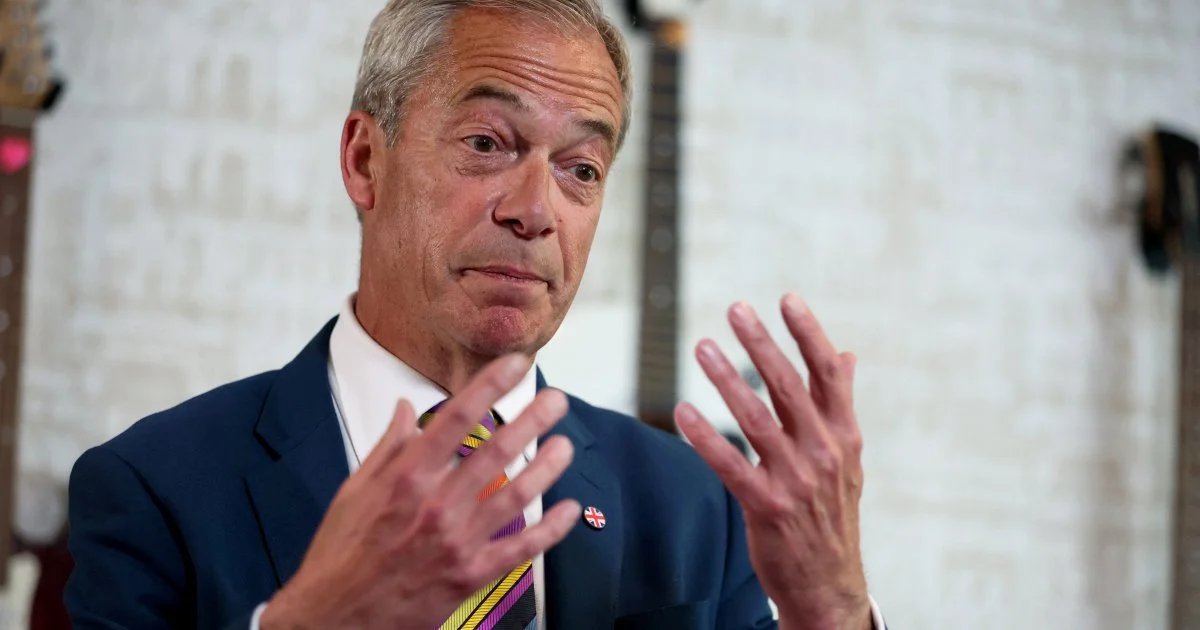
British hard-right politician Nigel Farage confronts a fresh accountability challenge after media revelations Sunday that a convicted fraudster had financed his security operations and staffing costs during a period preceding his entry into Parliament. The allegations represent the latest in a series of transparency-related controversies enveloping the prominent figure, intensifying questions about financial disclosure practices within his political circle.
The disclosure focuses on the years when Farage was constructing the political infrastructure that would eventually propel him into elected office. Financial arrangements during this foundational period have now drawn scrutiny from investigators and journalists examining the origins of support networks underpinning his political trajectory. The involvement of an individual with fraud convictions raises particular concern given the emphasis Farage himself has placed on law-and-order governance themes throughout his political career.
Farage's political prominence within Britain stems largely from his leadership role in the Brexit movement and his influence over Conservative Party policy directions. His political evolution from fringe figure to significant Westminster player has consistently attracted media attention, though controversies regarding financial arrangements have periodically emerged. These latest allegations suggest that the foundations of his political machinery warrant closer examination by regulatory authorities charged with enforcing transparency obligations.
The fraudster's involvement in funding security arrangements presents particular complications for Farage's public positioning. Politicians advocating strict criminal justice approaches and public safety initiatives face heightened accountability when their own financial relationships involve individuals with conviction records. This dissonance between rhetoric and practice often generates sustained media and parliamentary scrutiny, particularly when disclosure failures accompany the revelations.
Gift disclosure regulations in British politics exist to maintain public confidence in parliamentary integrity and prevent undue influence from undisclosed benefactors. These rules apply regardless of a politician's status or public prominence. When allegations emerge that significant financial support has escaped proper declaration, regulatory bodies typically initiate formal investigations to determine whether legal obligations were violated and whether corrective actions or sanctions are warranted.
For Malaysian and Southeast Asian observers, this episode illustrates ongoing tensions within established democracies regarding financial transparency in politics. While Malaysia has implemented several regulatory reforms addressing political funding disclosure, comparative analysis of how different jurisdictions handle similar controversies reveals varying enforcement rigor and political consequences. The Farage situation demonstrates that developed democracies continually confront challenges in maintaining consistent standards around political financing.
The timing of these allegations carries particular significance given Farage's current political positioning and influence over Conservative Party trajectory. As Britain navigates post-Brexit economic and social policy questions, questions about the integrity of key political figures directly impact public trust in governing institutions. Media investigations serving watchdog functions become especially critical when traditional regulatory mechanisms appear insufficient in generating timely accountability.
Farage's previous encounters with financial transparency questions have established a pattern that observers increasingly reference when new allegations surface. Cumulative controversies, even when individually resolved, generate broader reputational consequences that shape how political figures are perceived by voters and colleagues alike. Each new disclosure failure strengthens narratives regarding transparency shortcomings and accountability deficits.
The investigation into these claims will likely extend through multiple oversight bodies and regulatory agencies responsible for enforcing parliamentary conduct standards. Journalists investigating the story have presumably secured documentation substantiating the core allegations, though Farage or his representatives may contest interpretations or provide alternative explanations for the financial arrangements in question. Such disputes typically resolve through formal investigatory processes rather than through immediate public agreement on facts or appropriate consequences.
For regional context, Southeast Asian political systems face comparable pressures regarding political funding transparency. Malaysia's system, while reformed from earlier arrangements, continues evolving in response to democratic accountability demands. International scrutiny of how developed democracies address political financing controversies influences expectations and standards within emerging democracies contemplating or implementing similar regulatory frameworks.
The broader implications extend beyond Farage individually to encompass questions about regulatory effectiveness and enforcement consistency. When allegations suggest that financial disclosure requirements have been circumvented, whether through deliberate concealment or negligent oversight, public confidence in institutional safeguards weakens. Regulatory bodies consequently face pressure to demonstrate vigorous investigation and appropriate corrective action.
As parliamentary committees and regulatory authorities examine these allegations, broader questions about accountability standards will inevitably feature in public debate. Farage's response—whether through voluntary disclosure of additional information, legal challenges to investigations, or public statements contesting the allegations—will influence how this controversy ultimately affects his political standing and influence within Conservative Party dynamics moving forward.

