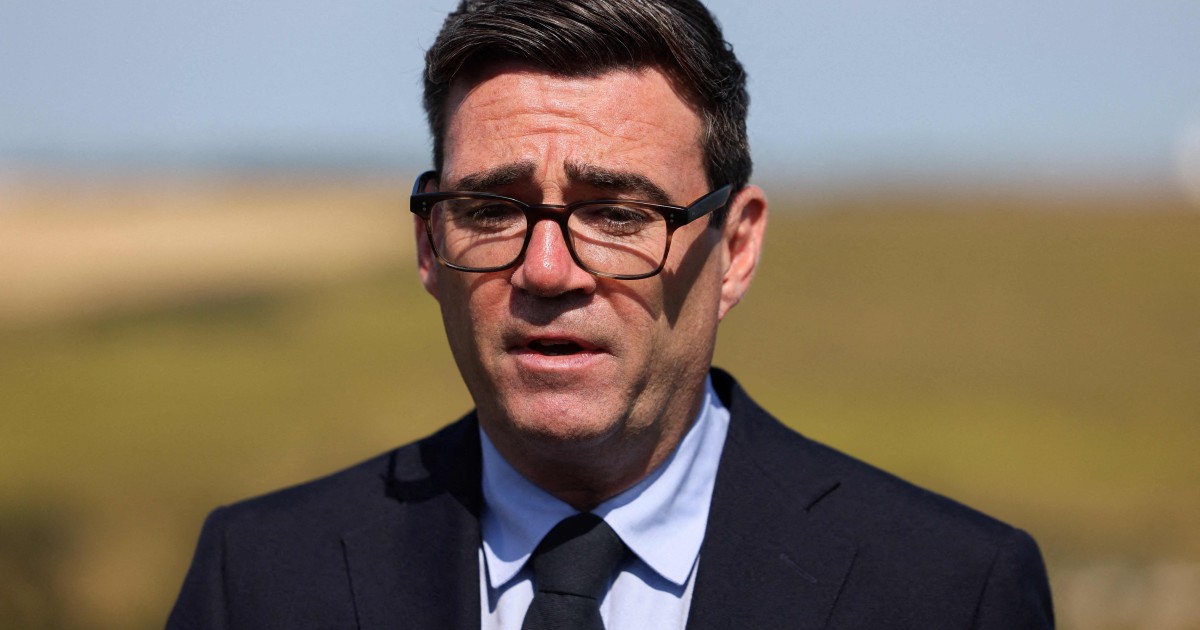
British Prime Minister Andy Burnham is weighing the prospect of establishing a public inquiry to investigate the convicted sex offender Jeffrey Epstein and his conduct within the United Kingdom, according to recent statements from the government's victims minister. The announcement marks a significant development in the ongoing reckoning with Epstein's criminal network and its international reach, with fresh scrutiny now potentially directed toward his UK operations.
Victims minister Alex Davies-Jones disclosed the government's consideration of such an inquiry during an interview with the BBC, signalling the seriousness with which Westminster is treating calls for accountability and transparency regarding Epstein's activities on British soil. The statement represents growing political pressure to establish a comprehensive examination of how the financier was able to operate in the UK and whether there were systemic failures in detecting or preventing his crimes.
Epstein's criminal legacy extends far beyond his initial conviction, with his death in a Manhattan jail cell in 2019 sparking continued investigations into his network of associates and enablers across multiple countries. The potential UK inquiry would add Britain to the list of nations examining their own exposure to his operations, following similar investigative efforts in the United States and elsewhere. For Malaysian and Southeast Asian readers, the development underscores how accountability for high-profile international crimes increasingly involves coordinated responses across multiple jurisdictions.
A public inquiry of this nature typically allows authorities to examine institutional failures, identify patterns of abuse, and establish whether regulatory frameworks were adequate to detect and prevent criminal conduct. Such mechanisms have proven valuable in investigating large-scale scandals in the past, providing victims with platforms to share their experiences and contributing to systemic reforms. The British government's consideration of this route suggests recognition that internal administrative review may prove insufficient to address the full scope of Epstein's UK presence.
The specifics of what such an inquiry would examine remain undisclosed, though observers anticipate it would scrutinise Epstein's connections within British high society, his financial dealings, and interactions with prominent figures. Understanding his operational methods in the UK could reveal vulnerabilities in British institutions that may have unknowingly facilitated his activities, a concern that resonates with international efforts to safeguard vulnerable populations.
For the UK government, establishing an inquiry also responds to long-standing demands from victims' advocacy groups who have sought greater transparency and justice. These organisations have consistently argued that comprehensive investigations are essential not merely for historical clarity but for implementing preventive measures that protect potential future victims. The victims minister's public acknowledgement of the government's deliberation reflects this pressure and demonstrates political willingness to confront uncomfortable questions about institutional blindspots.
The timing of this potential inquiry coincides with renewed attention to Epstein's network globally, with various court documents and investigations continuing to emerge. In this context, a British examination would complement international efforts to establish a fuller picture of his activities and the extent to which he exploited vulnerabilities in different regulatory and social contexts. For Malaysia and the broader region, such developments highlight the importance of international cooperation in addressing cross-border exploitation and financial crimes.
While formal confirmation of the inquiry remains pending, the fact that it is being seriously considered at the highest levels of government indicates a potential shift toward greater accountability. Should the inquiry proceed, it would require substantial resources and time to investigate effectively, involving interviews with witnesses, review of financial records, and examination of institutional responses when concerns were raised.
The broader significance of this development extends to questions about how elite networks operate across jurisdictions and how regulatory oversight can be strengthened. Epstein's ability to maintain operations across multiple countries for years raises systemic questions about information-sharing between authorities and the detection of suspicious financial activity. An inquiry could illuminate these gaps and contribute to international best practices in safeguarding measures.
For victims who have experienced abuse or exploitation, a public inquiry represents an opportunity for official recognition of wrongdoing and institutional failure. Such investigations typically provide victims with the chance to provide testimony in formal proceedings and see their experiences acknowledged in official records, a process that carries both psychological and symbolic significance.
The announcement also carries implications for British financial regulation and oversight of wealthy individuals, particularly those conducting international business. Understanding how Epstein's financial networks functioned within British jurisdiction could reveal weaknesses in monitoring mechanisms designed to detect illicit wealth and suspicious transactions.
As the government continues its deliberations, observers expect further clarity on whether a full public inquiry will be established, what its terms of reference might encompass, and what timeline might be envisaged. Such decisions typically involve consultation with relevant government departments, the judiciary, and victims' representatives to ensure the inquiry would be appropriately designed and sufficiently resourced.

