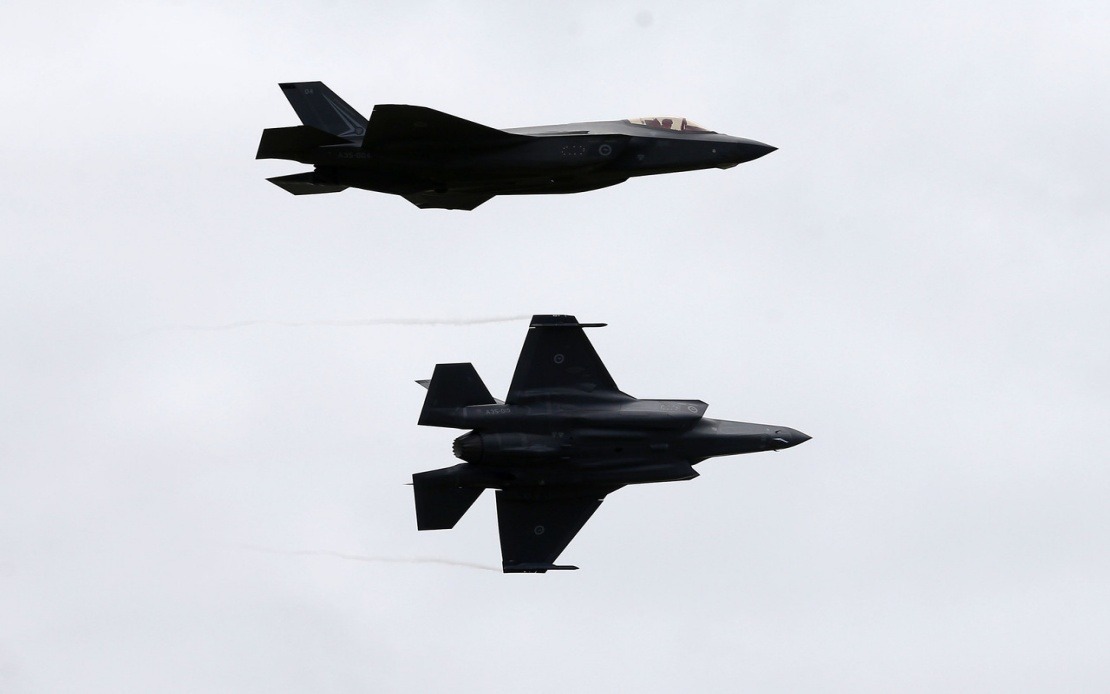
Three major Western democracies have moved forward significantly with their ambitious joint effort to create a next-generation fighter aircraft, signing a £4.6 billion (US$6.1 billion) development contract that represents a crucial step in the Global Combat Air Programme. The agreement between the United Kingdom, Italy and Japan underscores the growing importance of defence collaboration among allied nations and signals a long-term commitment to maintaining technological superiority in aerial combat capabilities well into the next decade.
The newly established Edgewing consortium, formed through a partnership between Britain's BAE Systems, Italy's Leonardo and Japan Aircraft Industrial Enhancement Co. Ltd., has been selected to lead the next phase of this ambitious military initiative. This structured arrangement reflects the complex nature of modern defence procurement, where risks and costs are distributed across multiple partners from allied nations, ensuring financial sustainability and shared responsibility for the programme's success.
The Global Combat Air Programme targets the introduction of what officials describe as a sixth-generation combat aircraft by 2035, positioning this fighter jet as a successor to current-generation platforms. This timeline is significant for regional security planning, as it represents a roughly decade-long development and testing cycle that will shape military capabilities throughout the Indo-Pacific and beyond. The compressed development schedule compared to previous fighter programmes reflects advances in computer modelling, artificial intelligence and digital engineering methodologies that have reduced some traditional development bottlenecks.
According to statements from the British government, the new platform will be deliberately designed to integrate seamlessly with existing air force inventories, particularly the Eurofighter Typhoon and Lockheed Martin's F-35 Lightning II. This interoperability emphasis acknowledges the reality that modern air operations rarely involve single aircraft types but instead require complex coordination between multiple platforms and supporting systems. The explicit mention of autonomous systems integration suggests the developers are anticipating a future combat environment where manned and unmanned platforms operate in close coordination, representing a fundamental shift in how air forces conceptualise their operational doctrine.
The contract structure announced focuses the immediate work on critical early-stage activities including detailed design specifications, establishment of aircraft performance requirements and comprehensive testing protocols. These foundational activities will occupy the consortium throughout the initial contract period and are essential for translating the broad strategic vision into engineering specifications that can actually be manufactured and flown. The rigorous testing regime envisioned will likely involve extensive computational simulation before any physical prototypes take to the air, reflecting contemporary aerospace development practices.
For the Malaysian defence and technology sectors, this development carries important implications regarding future regional military capabilities and the broader geopolitical alignment of major powers. The three-nation partnership demonstrates how technologically advanced democracies are deepening their security cooperation through major joint procurement initiatives. This pattern influences how smaller regional nations approach their own defence modernisation, as the partnership signals confidence in multilateral defence arrangements and the viability of sustained collaborative ventures spanning multiple decades.
The emphasis on cutting-edge digital engineering and artificial intelligence integration within the fighter jet's systems reflects current global trends in military modernisation. These technologies are becoming central to all advanced weapons programmes, and Malaysia's own defence planning must account for the evolving technological landscape that will characterise military capabilities in the 2030s and beyond. The integration of autonomous systems particularly warrants close observation, as it raises strategic questions about how air forces will operate in contested environments where traditional assumptions about pilot control may need revision.
From a defence industrial perspective, this contract represents a significant validation of the Edgewing partnership model and reinforces the competitive positions of its constituent companies in the global defence market. Leonardo's involvement continues the Italian defence industry's prominent role in European and allied security initiatives, while BAE Systems' leading role reflects Britain's post-Brexit positioning as an independent security actor. Japan's participation through JAIEC demonstrates Tokyo's determination to deepen defence technology partnerships with Western allies while developing indigenous industrial capabilities.
The joint funding arrangement across three nations provides financial stability and reduces individual budget pressures that might otherwise constrain development programmes. This model has become increasingly common in European and allied defence projects, where no single nation can independently bear the escalating costs of cutting-edge military technology development. The distribution of development work among partners also ensures that each nation builds technological expertise and industrial capacity related to specific aircraft systems, creating a interdependent relationship that reinforces the alliance structure itself.
The targeting of 2035 for service entry provides a planning horizon that allows substantial technological maturation while remaining within the realistic career lifespan of military professionals currently in senior planning roles. This timing suggests confidence that the identified development pathway is achievable, though defence projects have historically experienced schedule pressures and cost overruns. The phased approach outlined, beginning with design and testing before proceeding to production, reflects lessons learned from previous programmes and incorporates staged decision points where progress can be evaluated before committing to full-scale manufacturing.
Regional security observers will likely monitor this programme's progress as an indicator of broader allied commitment to maintaining technological advantage over potential competitors. The apparent success in securing this major tri-national agreement to proceed demonstrates that complex international defence collaboration remains feasible among like-minded democracies, despite contemporary geopolitical tensions and divergent national interests on other policy matters. This capability to compartmentalise cooperation on defence technology while managing other disagreements may itself prove valuable as the international environment becomes increasingly challenging.

