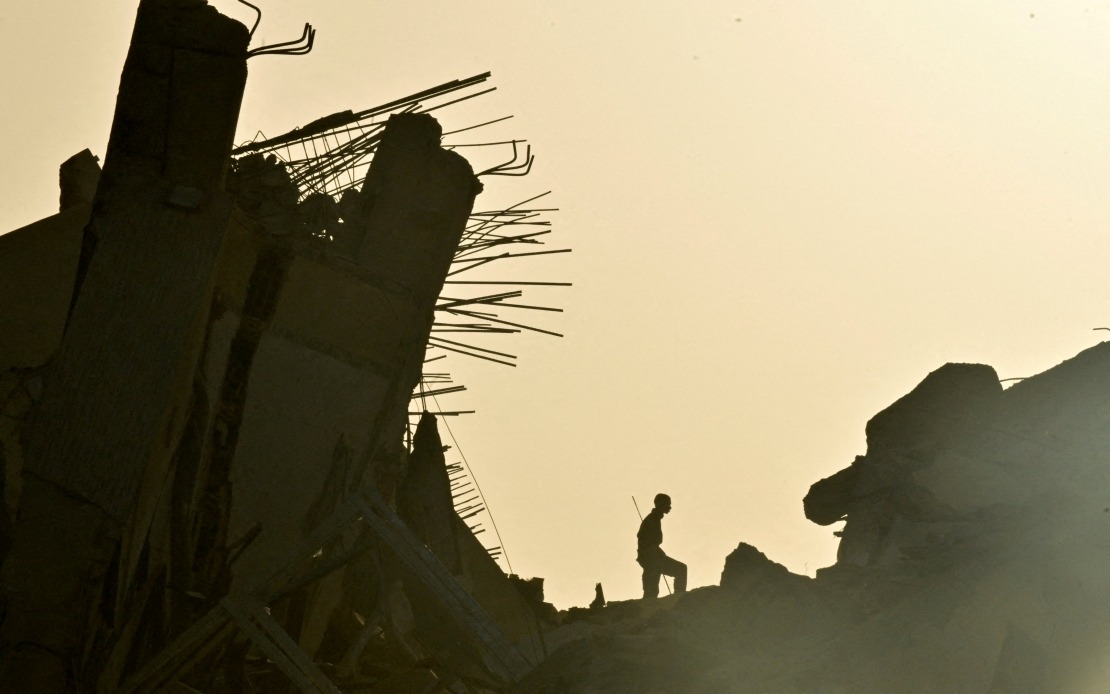
British charitable organisations have successfully raised more than £10 million to support communities devastated by recent earthquake activity in Venezuela, underscoring the continuing power of international humanitarian fundraising networks when natural disasters strike. The Disasters Emergency Committee, which coordinates relief efforts across multiple UK-based aid organisations, launched its appeal mechanism on Wednesday and has already channelled substantial public donations into emergency operations on the ground.
The speed at which the appeal reached its £10 million milestone reflects both the severity of the crisis and the established trust British donors place in the DEC's coordinated response model. This alliance of charities has become the primary vehicle through which UK philanthropy mobilises during major humanitarian emergencies globally. The initial momentum suggests public awareness of Venezuela's vulnerability to seismic activity and recognition of the humanitarian costs when such events occur in countries already facing significant socioeconomic challenges.
DEC member organisations, working alongside established partner networks in-country, have begun distributing critical supplies across affected regions. The focus remains on immediate survival needs: potable water access, emergency shelter materials, food provisions, and urgent medical intervention for the injured. These operational priorities reflect standard disaster response sequencing, where preventing secondary casualties from disease, exposure, and malnutrition becomes as important as treating earthquake-related trauma during the critical first weeks following seismic events.
Actress Adjoa Andoh, serving as ambassador for the International Rescue Committee—one of the DEC's constituent members—fronted the public launch and has become the public face of the campaign. Andoh's statement acknowledging the "astonishing" generosity of British donors carries particular weight within UK charitable circles, where celebrity endorsement of appeals significantly influences donation patterns. Her emphasis on donors directly enabling ground-level operations reflects donors' appetite for transparency about how contributions translate into concrete assistance.
The International Rescue Committee's prominent involvement in the DEC appeal indicates this organisation has pre-positioned personnel and logistics capacity in Venezuela or the broader region, allowing for rapid deployment of resources. This capability depends on years of sustained presence and relationship-building with local partners—an infrastructure that becomes invaluable when sudden crises demand immediate coordinated responses. For Venezuelan communities, this means that donated funds can move swiftly from British bank accounts into purchasing medical supplies and food at local markets rather than requiring lengthy procurement processes.
Venezuela's recent history of economic contraction and institutional strain means that earthquake recovery presents compounded challenges. Beyond the immediate destruction caused by seismic activity, affected populations often lack adequate stored resources or functioning social safety nets to manage initial recovery phases independently. International financial support therefore addresses not merely earthquake damage but also the underlying vulnerabilities that prevent affected countries from responding internally. This context explains why earthquake appeals in developed nations typically mobilise fewer donations than those targeting poorer countries—humanitarian need intersects with capacity constraints.
The DEC model itself warrants scrutiny from a Southeast Asian perspective, particularly for Malaysia where the region experiences occasional seismic activity and tropical storm impacts. The UK's federated approach—coordinating multiple independent charities under unified appeal protocols—differs markedly from aid systems in some regional neighbours. This structure theoretically improves donor confidence through diversified oversight while enabling smaller specialist organisations to channel resources through established credibility frameworks. Malaysia's own disaster response infrastructure, though improving, reflects different institutional assumptions about government versus private sector roles in humanitarian coordination.
The £10 million figure converts to approximately US$13.4 million at current exchange rates, placing this appeal within the middle range of international humanitarian responses to major earthquakes. For context, this magnitude of funding typically supports emergency phase operations for several weeks across affected populations numbering in hundreds of thousands. Yet as weeks extend into months, initial donations often prove insufficient for transition programming—helping communities rebuild shelter, restore livelihoods, and address psychological trauma. This gap between emergency and recovery funding frequently determines long-term humanitarian outcomes.
British public generosity toward international disasters reflects both residual post-imperial engagement with global crises and genuine humanitarian motivation transcending national interest. Disaster appeals in the UK typically generate strongest response during the first 48 hours following major events, with momentum declining sharply thereafter. That this appeal reached £10 million suggests either particularly effective media coverage of the Venezuelan crisis or exceptional donor sentiment regarding this specific emergency. Understanding these patterns helps humanitarian organisations calibrate campaign timing and messaging for maximum impact.
The DEC's continued emphasis that member organisations work "around the clock" acknowledges both the urgency driving relief operations and the logistical complexities of operating within Venezuela's challenging political environment and infrastructure constraints. Earthquake response in Venezuela occurs against a backdrop of political tension and economic disruption that complicates supply chains and coordination mechanisms. International aid organisations must navigate these realities while maintaining operational independence and ensuring resources reach intended beneficiaries rather than being diverted through institutional leakage.
Looking forward, the appeal's success signals that international funding for Venezuelan humanitarian assistance remains available despite competing crises elsewhere globally. However, sustainability of this funding as the immediate emergency recedes presents the genuine challenge facing DEC member organisations. Venezuelan communities will require sustained reconstruction support extending far beyond initial disaster response, yet donor attention typically wanes once television coverage shifts to new crises. Building durable recovery mechanisms that can absorb ongoing international funding commitment represents the critical next phase following successful emergency mobilisation.

