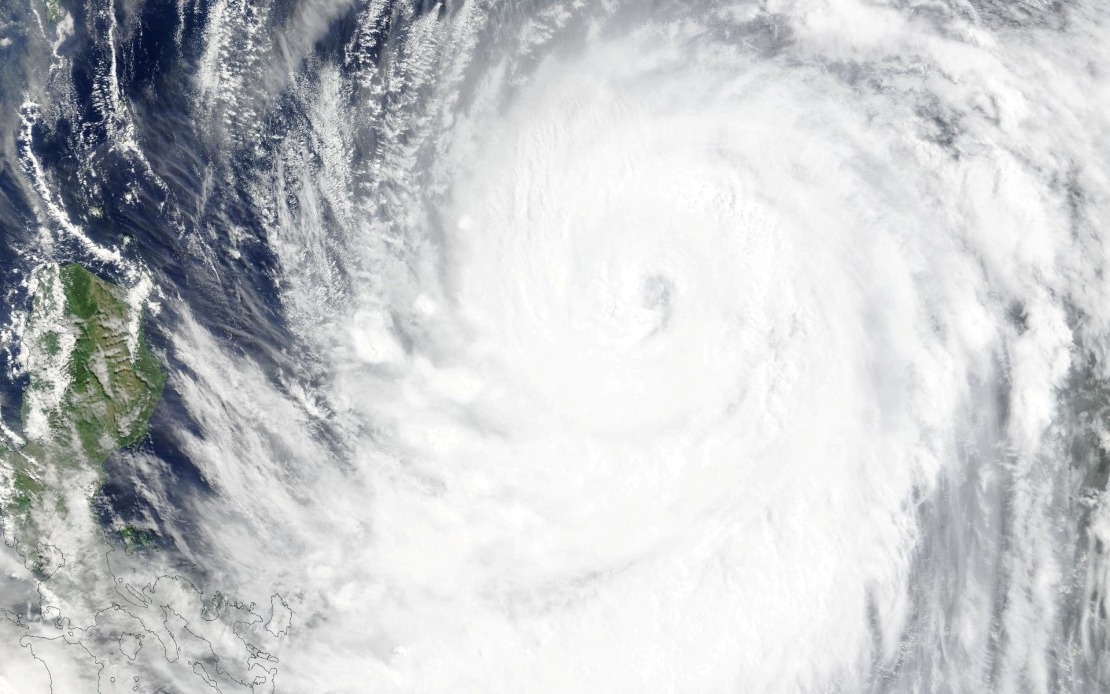
Taiwan braced for significant weather disruption on Thursday as the country's meteorological agency activated a sea warning in response to the advancing Typhoon Bavi, marking the ninth tropical cyclone of the season. The warning, issued at 2.30 pm local time, signals preparation for what forecasters expect to be a considerable weather event affecting the island within hours. Authorities indicated that a land warning would likely follow early on Friday as the storm continues its northwestern trajectory, prompting widespread readiness measures across the nation.
The sea warning encompasses vulnerable maritime zones in Taiwan's northeastern and southeastern waters, specifically protecting vessel traffic around Orchid Island and Green Island, as well as the strategically important Bashi Channel. These coastal regions face particular risk given the typhoon's current position and projected path. The warning serves as an early alert for maritime operators to secure their vessels and alter shipping routes away from the storm's corridor.
At the time of the warning's issuance, Typhoon Bavi exhibited formidable meteorological characteristics. The system maintained maximum sustained winds of 51 metres per second in its inner core, with peak gusts reaching 63 metres per second. These measurements place the typhoon at the lower threshold of severe intensity, with sufficient strength to generate substantial damage across Taiwan's exposed regions. The storm's structural coherence and strengthening trend suggested continued intensity maintenance as it approached the island.
Meteorological forecasters projected that Bavi would sustain a northwestern movement at a relatively deliberate pace of 15 to 20 kilometres per hour. This forward speed permits the system to potentially linger longer over Taiwan's territory, extending the duration of hazardous conditions rather than creating a brief intense passage. Current modelled projections indicated the typhoon's track would pass north of Taiwan, positioning the island's interior and southern regions to experience either the lower echelon of strong typhoon conditions or the upper scale of moderate typhoon intensity. This nuanced forecast reflected the precision limitations inherent in tracking tropical cyclones, though either scenario carried significant implications for preparedness.
The approaching storm had already precipitated substantial disruptions to Taiwan's transportation networks, demonstrating the cascading effects of severe weather alerts on regional connectivity. Airlines operating routes between Taiwan and Okinawa cancelled the majority of scheduled flights, acknowledging both current safety constraints and the likelihood of further deterioration. International long-haul carriers similarly suspended select services, reflecting the comprehensive nature of the approaching weather system's expected impact across broader air traffic corridors.
Beyond aviation, maritime transport suffered comparable disruption. Taiwan's ferry operators suspended numerous scheduled routes connecting the main island to outlying communities and neighbouring destinations. The responsible approach reflected both current sea conditions and forecaster warnings regarding substantially heightened maritime risk. Mountain road networks, critical arteries for travel through Taiwan's interior and to high-elevation communities, received formal hazard alerts, effectively placing these transport corridors under precautionary restriction.
For Southeast Asian readers monitoring tropical cyclone activity, Typhoon Bavi's approach carries relevance beyond Taiwan's shores. The storm's trajectory and intensity development influence regional weather patterns and maritime conditions across the broader East China Sea. Countries including the Philippines and potentially Vietnam track such systems closely, as secondary effects occasionally extend far from the primary impact zone. Taiwan's early warning protocols and transparent meteorological communication offer a model for regional disaster preparedness, emphasising the importance of timely, accurate weather forecasting in densely populated island communities.
The financial implications of typhoon disruption extend beyond immediate infrastructure damage. Taiwan's economy, heavily dependent on timely shipping schedules and air cargo connectivity, experiences compounding costs from transportation suspensions. Supply chain interruptions radiate across manufacturing hubs throughout Southeast Asia, particularly affecting electronics and semiconductor sectors that depend on just-in-time components. For Malaysian businesses with Taiwanese supply chain partners, Typhoon Bavi's impact warrants contingency planning and supplier communication.
Taiwan's meteorological preparedness reflects decades of institutional learning from previous typhoon seasons. The graduated warning system—progressing from maritime alerts to land warnings—permits staged responses appropriate to evolving threat levels. Citizens in vulnerable coastal areas receive time to secure residences, stock supplies, and arrange necessary evacuations before conditions become untenable. This methodical approach minimises both confusion and preventable casualties, though the human and economic costs of major typhoon strikes remain substantial.

