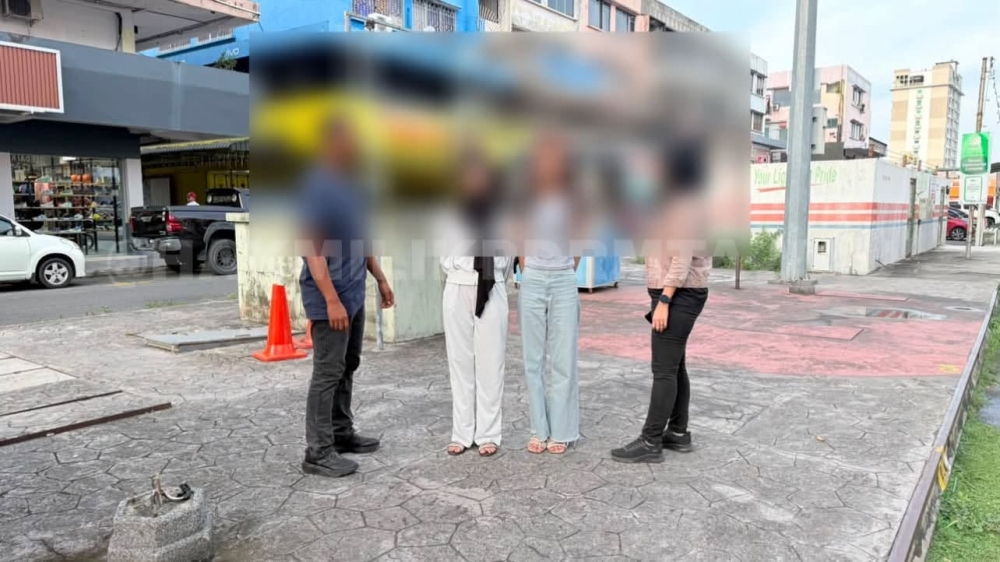
A dining establishment in Tawau's Bandar Fajar commercial area became the site of a physical confrontation between two women, prompting police intervention and the subsequent arrest of both parties. The incident, which unfolded in what would typically be an ordinary evening at the restaurant, has drawn attention to concerns about public conduct and crowd management in commercial spaces across Sabah's major towns.
The Tawau police have taken the two women into custody as they pursue inquiries into the nature and circumstances of the altercation. Officers arrived at the scene following complaints from patrons and staff members who witnessed the disturbance. The swift response reflects law enforcement's commitment to maintaining order in busy commercial districts that serve as gathering points for local communities and tourists alike.
Details surrounding the exact cause of the disagreement between the two women remain under investigation. Police investigators are conducting interviews with witnesses present at the restaurant during the incident, seeking to establish a clear sequence of events and identify any factors that may have contributed to the escalation. Such witness statements typically prove critical in determining culpability and whether any provocations or aggravating circumstances played a role.
The incident highlights an emerging pattern of public disturbances in dining establishments across Sabah's urban centres. Restaurant proprietors and business operators increasingly find themselves managing situations that extend beyond their traditional scope of hospitality services. Training staff to defuse tensions and knowing when to alert authorities represents an evolving challenge for the food service industry in the region.
Tawau, as Sabah's third-largest city and a significant commercial hub, experiences considerable foot traffic across its retail and dining precincts. The Bandar Fajar development has become increasingly popular among shoppers, diners, and leisure seekers, making venues there regular focal points for community activity. Maintaining public order in such high-traffic areas requires coordinated efforts between business operators, security personnel, and local law enforcement agencies.
The arrest of both women raises questions about how police determine liability in mutual brawls where both parties may bear responsibility. Malaysian law enforcement typically considers factors such as who initiated contact, whether either party attempted to de-escalate, and whether one person acted primarily in self-defence. The distinction between mutual combat and one-sided assault carries significant legal implications, affecting charges and potential sentencing outcomes.
Public drinking establishments and restaurants serve important social functions in Malaysian communities, providing spaces where families and friends gather for meals and celebration. When such venues become sites of conflict, the broader implications extend to public confidence in the safety of commercial spaces and the behaviour standards expected from patrons. Restaurant management must balance hospitality with the responsibility of maintaining environments conducive to peaceful dining.
The case also underscores the importance of security measures increasingly implemented at dining and entertainment venues throughout Sabah. CCTV footage from the restaurant may prove instrumental in establishing what transpired during the confrontation, providing objective documentation that can clarify disputed accounts from witnesses whose memories or perspectives might differ. Digital evidence has become fundamental to modern police investigations.
For Tawau residents and visitors, the incident serves as a reminder about appropriate conduct in public spaces and the legal consequences of engaging in physical altercations. Malaysian law contains provisions addressing affray, criminal intimidation, and assault, with penalties ranging from fines to imprisonment depending on the severity of injuries and circumstances. Such incidents can result in criminal records affecting employment and social standing.
The broader implications of this case extend to Sabah's reputation as a welcoming destination for commerce and tourism. Ensuring that public spaces remain safe and orderly contributes significantly to investor confidence and visitor comfort. Local authorities continue working to balance community freedoms with the maintenance of public order, a challenge that requires cooperation from all stakeholders including business operators, residents, and law enforcement.
As the investigation proceeds, the Tawau police will determine whether charges will be filed against either or both women, and what specific offences will be pursued. The outcome of this case may influence how similar incidents are handled in future, establishing precedents for public conduct expectations within Sabah's commercial districts. Community awareness campaigns and business training initiatives may follow, aimed at preventing similar disturbances and ensuring venues remain safe gathering spaces for the public.

