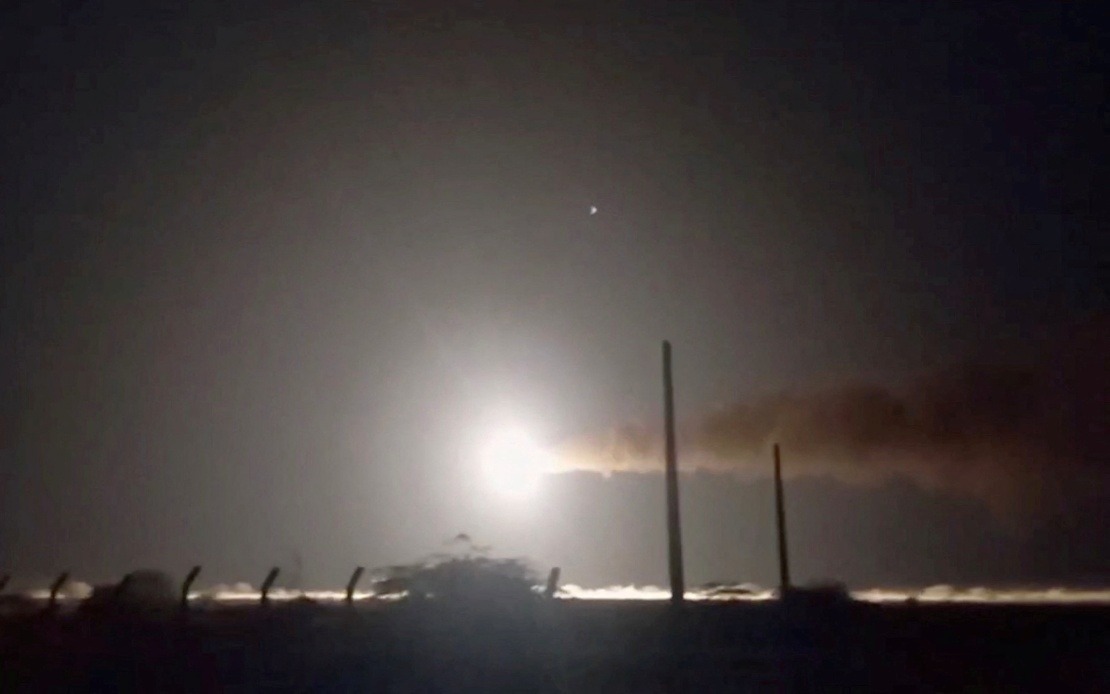
The Middle East conflict took a sharper turn on Saturday when the United States Central Command announced casualties from Iranian strikes against American military personnel stationed in Jordan. According to CENTCOM, the attack occurred on July 17 when Iranian forces unleashed ballistic missiles and unmanned drones against US-led coalition positions defending against the assault. Two service members were killed in the engagement, while a third remains unaccounted for, adding to the gravity of the incident and raising fresh concerns about the stability of the broader region.
The strike represents one of the more direct confrontations between American and Iranian forces in recent months, occurring as tensions between Washington and Tehran have remained persistently high. CENTCOM disclosed that its personnel and partner forces successfully mounted a defensive response to counter the incoming threats, yet the loss of life underscores the genuine danger faced by American troops deployed across the volatile theatre. The command confirmed that four other US service members required medical evacuation to Jordanian hospitals, though all have since been released from care. Additionally, several military personnel sustained minor injuries but have already resumed their operational duties.
For Malaysia and Southeast Asian observers, the incident carries significant implications. The region's maritime chokepoints and trading routes could face disruption if Iranian-American tensions spiral further into direct military confrontation. Already, insurance costs for vessels transiting sensitive waters have risen substantially, and any widening of the conflict could necessitate increased military escorts for commercial shipping. Malaysian companies with supply chain exposure to the Middle East or reliant on global energy markets should monitor developments closely, as prolonged instability could reshape regional geopolitics and economic activity.
CENTCOM stated that it would withhold the identities of the fallen service members and additional operational details until next of kin notifications were completed and a full 24-hour period had elapsed. This protocol reflects standard military practice designed to ensure families receive news through official channels rather than public announcement. The careful handling of casualty information also reflects broader considerations about operational security and the protection of remaining personnel in theatre.
The Iranian attack itself was a significant escalatory move, deploying both ballistic missiles—weapons capable of penetrating air defences—alongside drone systems that have become increasingly central to modern warfare across the Middle East. The combination suggests a deliberate attempt to overwhelm defensive systems and achieve maximum impact. That CENTCOM forces successfully repelled the assault without sustaining greater casualties points to the effectiveness of current air defence architecture deployed throughout the region, though the deaths of two service members demonstrate that no defensive system is perfect.
The incident occurs against a backdrop of simmering tensions involving multiple actors across the Middle East. The positioning of US forces in Jordan reflects America's continued commitment to regional security partnerships and counter-terrorism operations. Jordan itself occupies a delicate geopolitical position, bordering Israel, Syria, Palestine, and Iraq, making it a critical hub for regional stability efforts. Any escalation involving attacks on Jordanian soil affects not only the bilateral US-Jordan relationship but also broader Arab states and international stakeholders invested in preventing full-scale regional conflict.
From a Southeast Asian perspective, countries like Malaysia must consider how any further deterioration could affect their diplomatic relationships with both American and Iranian interests. Malaysia maintains economic ties across the Middle East and has Muslim populations with varying perspectives on US military presence in the region. The careful management of these relationships requires balanced foreign policy as regional tensions shift. Additionally, Malaysian defence analysts should note the operational lessons from the Iranian attack, particularly regarding the effectiveness of layered air defence systems and drone countermeasures.
The discovery that one service member remains missing adds an additional complication to the incident. Search and recovery operations in active military zones present substantial challenges, and CENTCOM's confirmation of this status suggests ongoing efforts to locate the individual. The uncertainty surrounding a missing personnel case extends anxiety among military families and within the broader command structure, often complicating diplomatic responses to such incidents.
Medial evacuations and hospital care for coalition personnel underscore the significant infrastructure and logistical requirements for sustained American military operations in the Middle East. Jordan's healthcare system, partnering with coalition forces, has demonstrated capacity to receive and treat combat casualties, reflecting the maturity of the regional alliance structure. However, the continued need for such medical interventions demonstrates the genuine operational hazards confronting deployed troops despite advanced technology and defensive measures.

