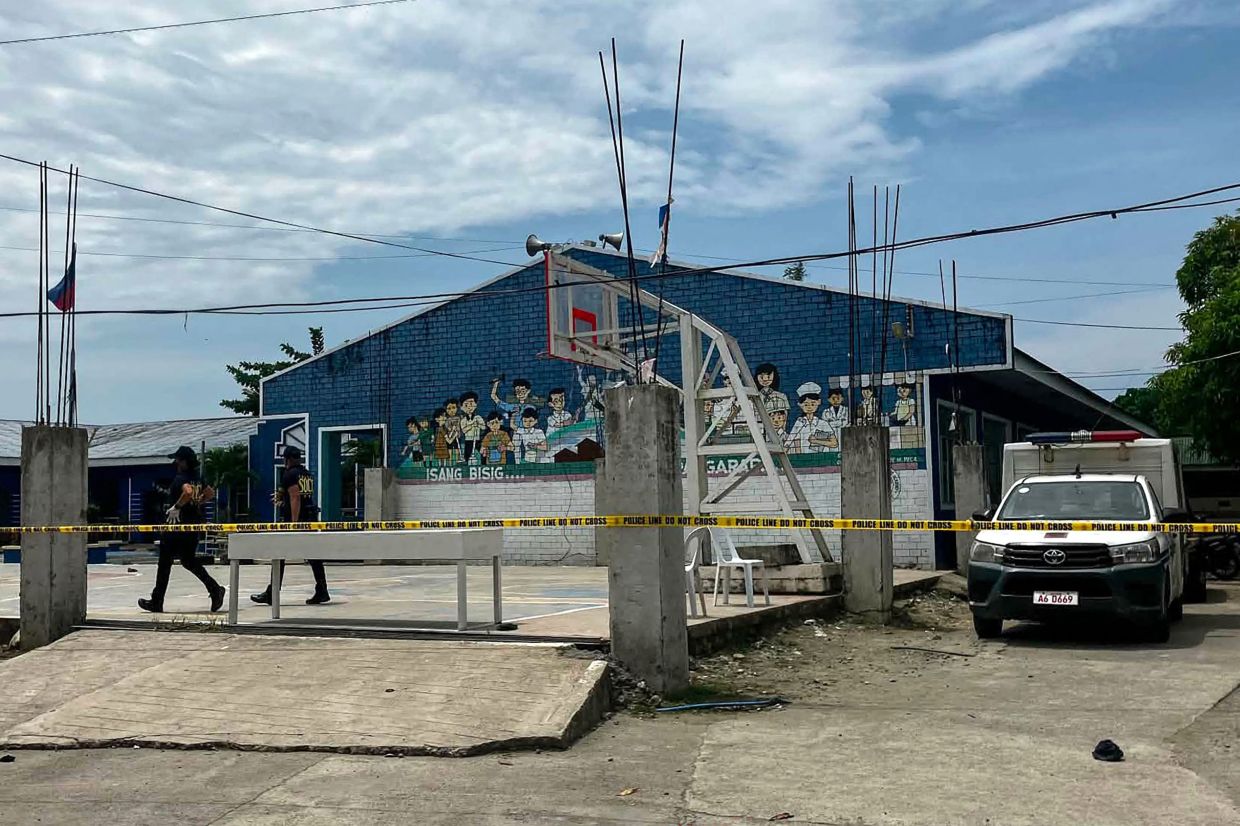
The Philippines reeled from a shocking act of school violence on Monday when two students launched a deadly shooting rampage at San Jose National High School in Tacloban city, leaving three classmates dead and seven others injured. Regional police chief Brig. Gen. Jason Capoy confirmed that the two suspects, aged 14 and 15, were taken into custody at the government-run campus, which serves more than 1,500 students in this central Philippine city. The mid-morning attack has reignited concerns about gun violence and security vulnerabilities in educational institutions across the archipelago.
The arrested teenagers claimed during initial police questioning that they had been victims of bullying at the school, though authorities have not yet disclosed fuller details about their motivations or the specific grievances they cited. The pair, described as close friends by investigators, carried out what appears to be a coordinated assault, with both armed with loaded firearms they managed to smuggle onto campus. One suspect obtained a 9mm pistol from his aunt, a police officer currently under investigation for her role in providing the weapon. The other teenager wielded a .38 calibre revolver. That both youths successfully brought guns into the school highlights serious lapses in campus security, as Capoy noted that only a single guard was stationed to monitor multiple entry and exit points across the sprawling campus.
The shooting unfolded with chilling precision. The suspects burst into two separate classrooms during their assault, suggesting a deliberate targeting strategy. After opening fire in the first room, students scattered in panic, and the gunmen pursued some fleeing victims into an adjacent classroom where they continued shooting. Police recovered at least 40 shell casings from the scene, indicating sustained gunfire during the attack. The victims were predominantly female students, adding another disturbing dimension to the tragedy. Video footage circulating online captured the horror experienced by those inside the school, showing students huddled beneath desks, their screams and sobs audible as gunshots cracked outside their locked classroom doors. Many children called their mothers in distress, while other clips documented terrified pupils streaming from the campus in chaos, clinging to one another for comfort and security.
The swift police response prevented further casualties. One suspect was apprehended immediately within the school building, but his accomplice managed to flee the scene and took refuge in a nearby residential house. He remained at large until residents alerted police to his location, enabling officers to track him down and make the second arrest. Both teenagers have no previous criminal records, suggesting this violent incident emerged suddenly without prior warning signs that might have alerted school authorities or law enforcement.
The incident has thrust the spotlight onto the Philippines' juvenile justice framework. Under a 2006 law, the 14-year-old suspect cannot be criminally prosecuted, as the minimum age for criminal liability in the Philippines is 15 years old. Even for the 15-year-old, prosecution requires authorities to conclusively establish that the teenager understood both the nature of the crime committed and its consequences. After their police investigation concludes, both suspects are slated to be handed over to government welfare officers for handling through the juvenile justice system rather than adult criminal courts. This legal distinction has sparked questions about accountability and whether the existing framework adequately addresses serious violent crimes committed by minors.
President Ferdinand Marcos Jr. responded swiftly to the incident, ordering a comprehensive investigation and directing law enforcement agencies to enhance security measures across all schools, workplaces, and public gathering spaces throughout the country. Communications Undersecretary Claire Castro conveyed the president's deep sorrow, noting that the emotional toll on affected families and the broader community resonates with citizens nationwide. The presidential directive underscores the gravity with which the government views this breach of school safety, signalling a potential policy review of security protocols in educational institutions.
While gun violence remains a persistent challenge in Philippine society, school shootings of this nature remain comparatively uncommon. The prevalence of unlicensed firearms circulating throughout the country has created an environment where shootings occur with troubling regularity, yet coordinated attacks within school campuses have been rare occurrences. The 2022 shooting at an upscale university in the Manila metropolitan area, where a gunman killed a former town mayor and two others during a graduation ceremony before his arrest, represented another stark reminder of the risks posed by armed individuals with personal grievances.
The investigation now focuses on uncovering the specific circumstances that prompted the attack, the extent of bullying the suspects experienced, and how they accessed the firearms used in the shooting. Police are examining the conduct of the officer whose weapon was allegedly borrowed, as well as scrutinising campus security procedures that permitted armed individuals to enter the building. The national police have appealed to the public to remain calm and cooperate by providing any information that could assist their ongoing inquiry into the motives and circumstances surrounding this tragic incident.