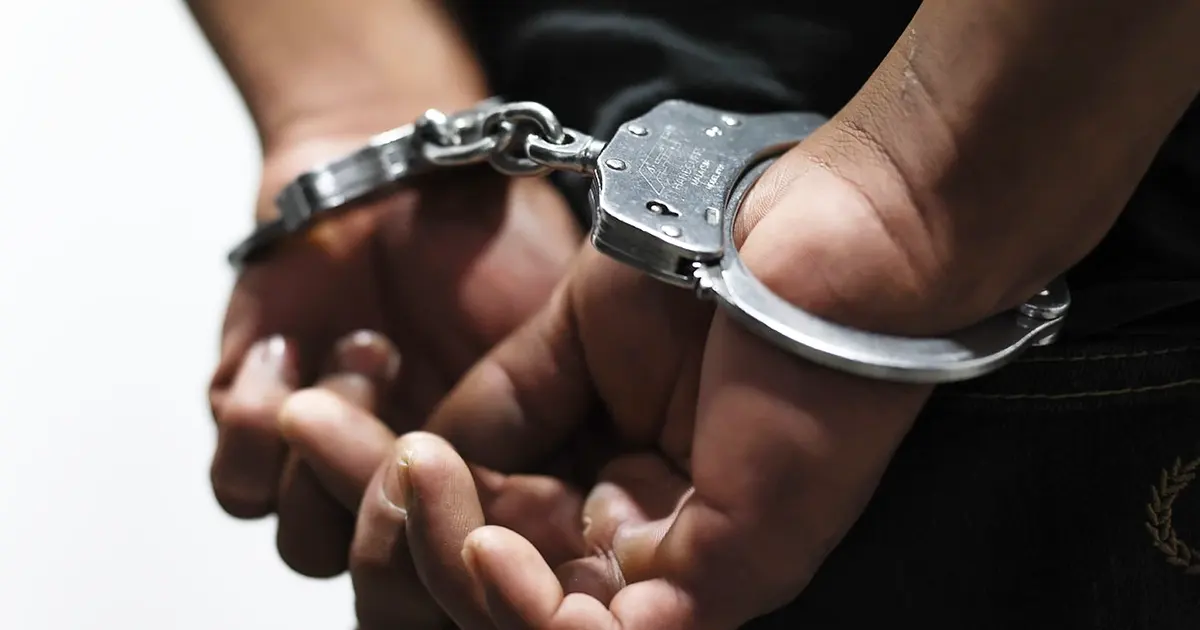
Police have arrested two men in connection with the death of their companion during what authorities believe was a hunting accident that escalated into a cover-up operation. The incident underscores the dangers inherent in recreational hunting activities and raises questions about how quickly panic and poor judgment can transform a tragic accident into a more serious criminal matter.
According to law enforcement officials, the two suspects are believed to have discharged a firearm that struck their friend fatally during an outdoor hunting excursion. Rather than immediately reporting the incident to authorities as required by law, the men allegedly chose to conceal the victim's body, apparently motivated by shock and fear of the consequences they might face. This decision to hide the body rather than seek emergency assistance has substantially complicated the legal situation they now confront.
The sequence of events surrounding the shooting highlights how quickly circumstances can deteriorate when individuals find themselves in unexpected, high-stress situations. Hunting accidents, while statistically uncommon, carry inherent risks due to the nature of the activity and the weapons involved. The presence of firearms, combined with outdoor terrain, variable visibility conditions, and the unpredictability of hunting environments, creates situations where tragic mistakes can occur despite the best intentions of those involved.
The decision to conceal evidence rather than report the incident immediately has transformed what might have been classified as a tragic accident into a matter involving obstruction of justice and related charges. Law enforcement authorities typically take a different investigative and prosecutorial approach when a death is reported promptly compared to situations where evidence has been deliberately hidden or the timeline of reporting is significantly delayed.
This case reflects broader concerns within law enforcement about the importance of proper training, safety protocols, and responsible decision-making among individuals who engage in hunting activities. Many jurisdictions, including those within Southeast Asia where hunting remains a cultural practice in certain regions, have established licensing requirements and mandatory safety courses designed to reduce the frequency of such incidents.
The investigation into the circumstances surrounding the death will likely examine multiple factors, including whether the individuals involved held proper hunting licenses, whether they were using legally registered firearms, the specific conditions under which the shooting occurred, and whether any violations of hunting regulations or weapons laws took place. These details will substantially influence the charges prosecutors ultimately pursue against the arrested men.
For families and communities affected by such incidents, the emotional and social impact extends far beyond the immediate legal proceedings. The death of a companion under such circumstances creates trauma for those directly involved and often reverberates through wider social networks, particularly in communities where hunting is a shared recreational or subsistence activity. The subsequent arrest of the victim's friends adds another layer of devastation to an already tragic situation.
The case also underscores the critical importance of immediate reporting and transparency when accidents occur. In jurisdictions worldwide, concealing evidence or failing to report deaths promptly typically results in additional criminal charges beyond those related to the incident itself. This progression from accident to cover-up creates more severe legal consequences than would typically apply to an accident reported promptly and investigated transparently.
For Malaysian readers, this incident serves as a reminder of the legal and moral obligations that accompany participation in hunting and other activities involving weapons. While hunting remains a regulated activity in Malaysia, often practiced in designated areas and with proper licensing, the principles of safety and immediate reporting remain paramount. The responsibilities of hunters extend beyond personal safety to include honest interaction with law enforcement and compliance with legal procedures when accidents occur.
The arrest of these two men sends a clear message about the seriousness with which authorities treat both the improper handling of firearms and attempts to obstruct justice. As the investigation progresses and additional details emerge, the case will likely influence discussions within sporting and hunting communities about best practices, training requirements, and the importance of maintaining clear, transparent reporting procedures when accidents happen during outdoor recreational activities.

