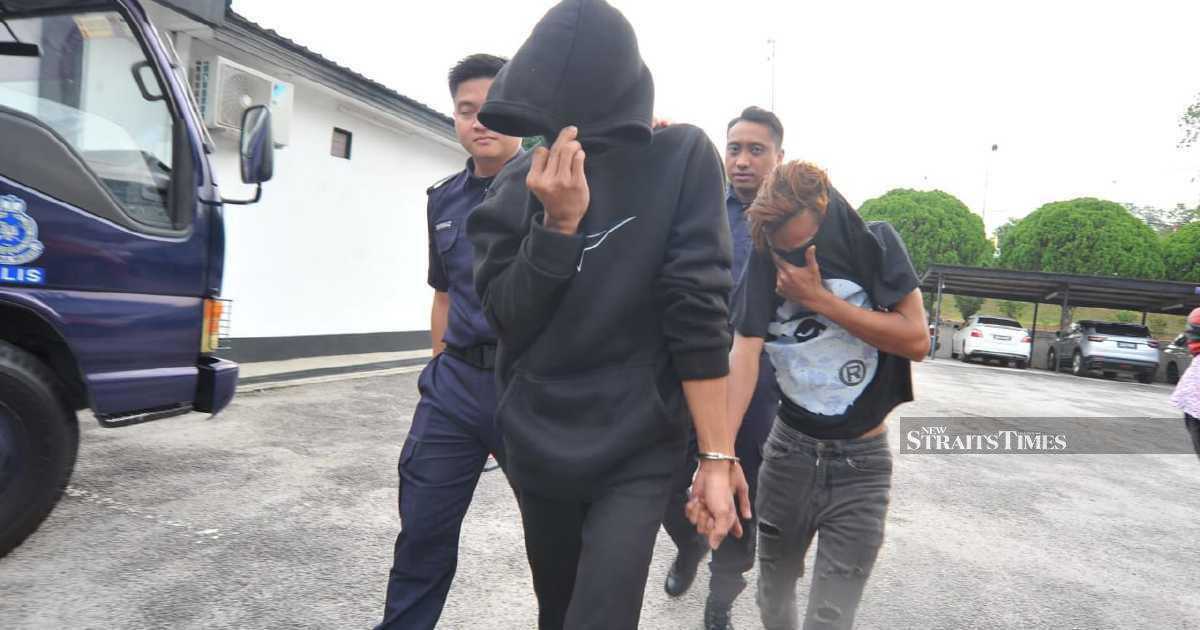
A disabled mechanic and his associate appeared in the Kulai magistrate's court today to face serious charges relating to dangerous driving during what authorities allege was an illegal street race conducted on the Johor Second Link expressway last Saturday. The incident has drawn attention to ongoing concerns about reckless driving on major expressways connecting Malaysia's transport infrastructure, particularly corridors serving high volumes of commercial and private traffic.
The charges filed against the two mechanics specifically alleged reckless and dangerous driving—offences that carry significant legal consequences under Malaysian road traffic legislation. Such prosecutions reflect law enforcement efforts to deter high-speed racing and stunt driving on Malaysia's busiest expressways, where public safety risks are amplified by the presence of heavy vehicles, family commuters, and commercial transport operators during peak periods.
The Johor Second Link, which serves as a vital transport corridor connecting Johor Bahru to Singapore, experiences substantial daily traffic volumes. Racing incidents on such infrastructure create hazards not merely for participants but for innocent road users transiting the highway. The expressway's role as a key economic artery means that incidents affecting traffic flow and safety have broader implications for regional commerce and transportation reliability.
One defendant's status as a disabled individual raises particular interest regarding accessibility and employment considerations within Malaysia's automotive repair sector. Mechanics with disabilities often navigate specific workplace challenges and regulatory frameworks governing their professional activities. This case underscores how individuals across all capacity levels remain subject to traffic enforcement regulations, a principle that applies uniformly regardless of personal circumstances.
The circumstances surrounding last Saturday's alleged race remain subject to court proceedings, where evidence will be examined and legal arguments presented. The magistrate's court system plays a crucial role in handling initial stages of road traffic prosecutions, determining bail conditions, and establishing procedures for subsequent hearings where guilt or innocence will ultimately be determined.
Street racing and illegal motorsport activities on public expressways have been persistent enforcement challenges across Southeast Asia. Malaysia's approach involves collaboration between traffic police, highway authority personnel, and traffic management systems to identify and prosecute offenders. The deployment of modern surveillance technology, witness reporting mechanisms, and coordinated patrols has improved detection rates on major corridors like the Second Link.
Malaysia's traffic legislation provides graduated penalties for driving offences, with reckless and dangerous driving classifications occupying serious territory within the hierarchy of violations. Conviction can result in substantial fines, licence suspension or revocation, and imprisonment depending on severity and circumstances. Such consequences extend beyond immediate legal penalties to affect employment prospects, insurance premiums, and professional standing within sectors like mechanical services.
The prosecution of these cases represents broader public safety messaging from authorities emphasising that expressways are not venues for racing or high-speed stunts. Insurance companies, road safety organisations, and transportation authorities regularly document the correlation between illegal racing and accident rates involving severe injuries and fatalities. Public expressways carry mixed traffic including elderly drivers, students, medical emergency transports, and commercial operators—populations particularly vulnerable to incidents triggered by reckless driving.
The Second Link's geographic position connecting Johor to Singapore adds international dimension to traffic safety concerns. Cross-border users, Malaysian residents commuting to work in Singapore, and international business travellers rely on this corridor's safety and reliability. Incidents disrupting traffic or creating safety hazards affect not only individual motorists but broader economic patterns across the region's most economically active zones.
Local communities surrounding expressway corridors in Johor have occasionally raised concerns about noise and safety risks associated with aggressive driving on trunk roads passing through inhabited areas. This particular case serves as reminder that enforcement mechanisms exist and are actively applied, potentially serving as deterrent for individuals considering similar activities.
As the case proceeds through magistrate's court and potentially higher court levels, it will contribute to the jurisprudence surrounding interpretation and application of Malaysia's reckless and dangerous driving statutes. Court decisions in high-profile cases often influence subsequent prosecutorial strategies and public awareness campaigns regarding expressway safety standards.
The charges against these two mechanics represent initial stages in Malaysia's legal process. Defendants maintain presumption of innocence pending evidence presentation and court determination. The outcome will not only affect the individuals involved but may influence broader patterns in traffic enforcement philosophy and resource allocation within Johor's law enforcement apparatus.

