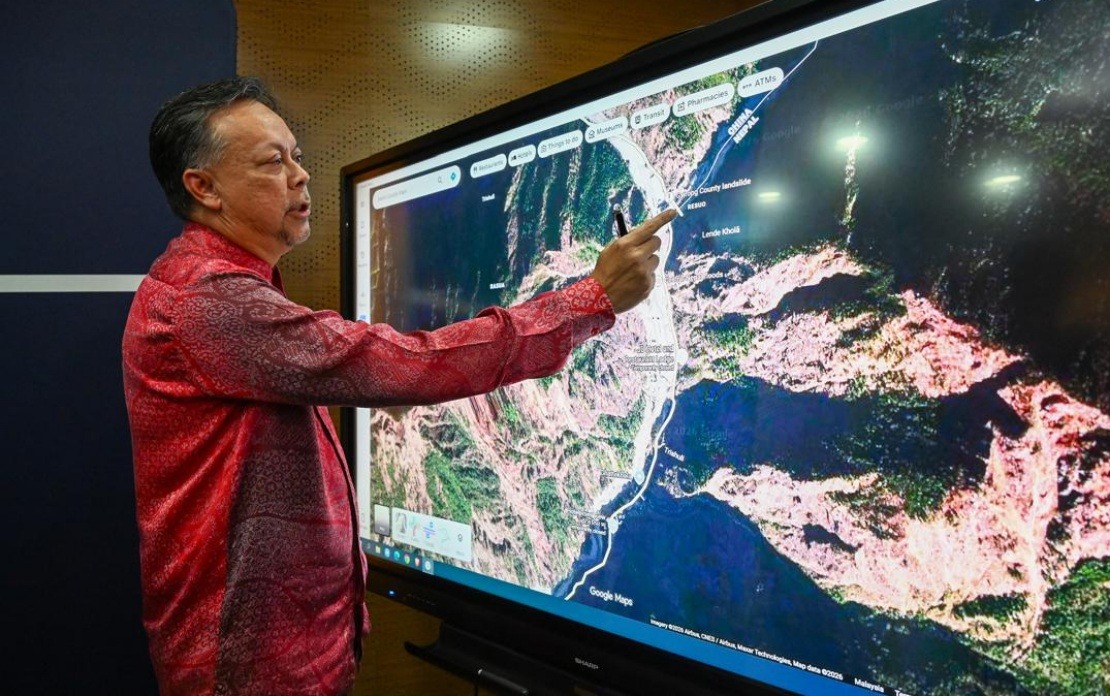
Two of the 57 Malaysians reported missing following devastating flash floods and landslides in Nepal have been found alive, though 55 citizens remain unaccounted for, the Foreign Ministry confirmed on Wednesday afternoon. The development offers a glimmer of hope amid a rapidly evolving humanitarian crisis in Nepal's Rasua district, where the overflow of the Bote Koshi River on August 26 triggered widespread destruction and made rescue operations exceptionally difficult.
The identities of the two located Malaysians are undergoing verification by the Foreign Ministry's dedicated operations centre, which has been activated in Putrajaya to coordinate the response around the clock. Foreign Ministry Deputy Secretary-General (Bilateral Affairs) Datuk Syed Mohamad Hasrin Tengku Hussin cautioned that confirming the complete details of these individuals—including their exact whereabouts and condition—requires cross-referencing with multiple sources to eliminate duplication and ensure accuracy in the sprawling relief effort. The remaining figure of 55 unaccounted Malaysians remains preliminary and subject to further confirmation as information flows in from Nepalese authorities and other agencies.
Foreign Minister Datuk Seri Mohamad Hasan has directed the ministry to intensify efforts to trace the remaining citizens and maintain close monitoring of developments on the ground. In a significant operational step, an official from the Malaysian High Commission in Dhaka has been deployed to Kathmandu to reinforce the Malaysian Embassy's stretched resources. This reinforcement reflects the gravity of the situation and the embassy's need for additional personnel to manage information gathering, coordinate with Nepalese agencies, and maintain consistent liaison with local authorities navigating their own massive humanitarian challenge.
The scale of the disaster becomes apparent when examining the broader rescue picture. Nepalese authorities have reported rescuing 528 people so far—490 Nepalese nationals and 38 foreign nationals—though none have been identified as Malaysian. The discrepancy between the number of Malaysian tourists and trekkers believed to be in affected areas and those confirmed rescued suggests many remain isolated or stranded in remote mountain locations cut off from communication networks.
The infrastructure devastation in Rasua district has created a formidable obstacle to search operations. The Bote Koshi River's overflow destroyed critical transportation links, including roads and bridges, while simultaneously severing electricity lines and telecommunications infrastructure. These cascading failures have isolated affected communities and severely hampered the ability of rescue teams to reach remote villages and trekking routes where Malaysians are believed to be located. The terrain itself—mountainous and prone to secondary landslides—adds another layer of danger to rescue missions.
Nepalese authorities have issued ongoing safety warnings about the risk of further water overflows from border areas, a concern that constrains rescue operations and creates unpredictability in an already volatile environment. Search and rescue personnel face not only the immediate threat of further floods but also deteriorating weather conditions that limit helicopter operations and ground access. The combination of these factors has created what officials describe as a severe and rapidly changing situation where conditions can shift dramatically within hours.
The Malaysian Foreign Ministry has established a comprehensive system to verify information received from multiple sources. Details arriving from Nepalese authorities, Tourism Malaysia, private tour operators, and family members must be cross-checked against internal records to prevent confusion and ensure the government can provide accurate updates to worried relatives. This painstaking process, while essential for accuracy, necessarily slows the confirmation of missing persons' status.
Family members and friends of Malaysians believed to be in Nepal have inundated the operations room with calls since it was activated. Within the initial two to three hours of operation, between 12 and 15 inquiries came in from relatives seeking information about specific individuals. The Foreign Ministry has instructed the public to provide detailed information when contacting authorities, including full names, passport numbers, travel schedules, last known locations, and reachable phone numbers—data essential for cross-referencing with official records and rescue teams' findings.
The activation of a 24-hour operations centre in Putrajaya represents a significant mobilisation of Malaysian government resources and underscores the diplomatic priority now assigned to the crisis. The facility serves not only as an information hub but also as a coordination point with Nepalese authorities and a source of reassurance for Malaysian families navigating an anxious waiting period. In a region where natural disasters routinely test international cooperation, this crisis highlights both the vulnerability of Malaysian tourists travelling in remote mountain areas and the complex logistics of tracking citizens across a heavily impacted disaster zone.
For Malaysian trekkers and tourists in Nepal, the incident serves as a stark reminder of the unpredictable dangers associated with monsoon-season travel in high-altitude regions. Nepal's tourism industry, which depends significantly on foreign visitors, faces challenges balancing economic imperatives with safety during peak danger seasons. The location of two Malaysians provides hope that others may be found, though authorities acknowledge that challenging conditions and communication blackouts mean some individuals may take considerable time to make contact with rescue services or government representatives.
The Malaysian Foreign Ministry has urged citizens or family members with information to contact the Putrajaya Operations Room at +603 8887 4570 or email [email protected]. As rescue operations continue against difficult odds, the focus remains on locating the remaining 55 Malaysians and ensuring that those already rescued receive appropriate support and repatriation assistance when conditions permit.

