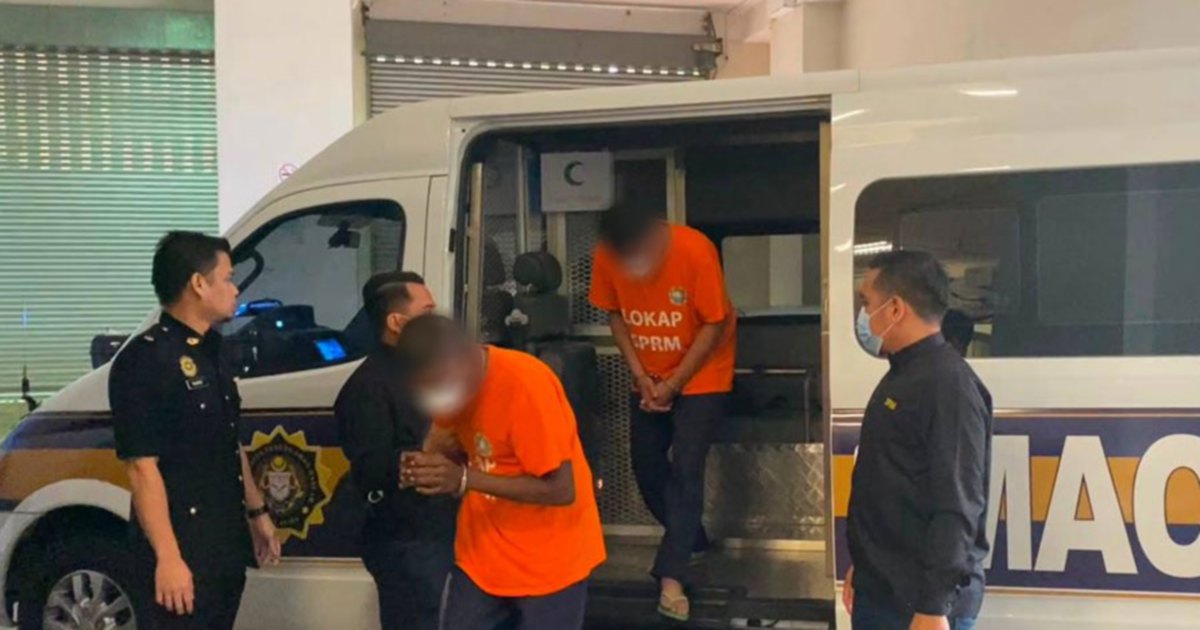
Two members of the highway patrol unit have been taken into custody in Kuantan following allegations that they accepted financial payments from drivers in exchange for overlooking traffic violations occurring on the East Coast Expressway 2. The arrest represents another instance of internal disciplinary action targeting corruption within Malaysia's traffic enforcement apparatus, a recurring concern that has prompted periodic reviews of operational protocols and oversight mechanisms across multiple state jurisdictions.
The alleged misconduct involves officers stationed along one of the country's busiest north-south corridors, which experiences substantial daily traffic volumes. The expressway, connecting key population centres across Peninsular Malaysia's eastern seaboard, serves as a vital artery for both commercial and passenger transport, making the integrity of its enforcement personnel particularly significant for road safety standards and public confidence in regulatory compliance.
Motorcyclists, truck drivers, and other motorists using the expressway have historically reported concerns about inconsistent enforcement practices, with some anecdotal evidence suggesting selective application of traffic regulations. The detention of these officers may validate some of these concerns and indicate that anti-corruption units have been actively investigating patterns of suspicious behaviour within enforcement teams. Internal Affairs investigations often span several months before culminating in formal arrests, suggesting that this case likely followed substantive preliminary enquiries.
The remand proceedings will establish whether sufficient evidence exists to substantiate bribery allegations and determine the scope of potential misconduct. Authorities typically explore whether individual officers acted independently or as part of a broader informal arrangement within their unit, an important distinction that shapes both criminal liability and institutional reform requirements. The duration and scope of the alleged corrupt activity remain under investigation.
Traffic enforcement corruption erodes public trust in regulatory systems and creates perverse incentives, effectively imposing a hidden tax on conscientious drivers while enabling safety-conscious violations. When officers accept bribes to ignore offences, they simultaneously compromise road safety outcomes and create competitive disadvantages for compliant motorists. The financial gain to individual officers remains modest compared to the systemic damage inflicted on enforcement credibility.
Malaysian authorities have attempted various measures to combat corruption within traffic enforcement, including body cameras, supervised checkpoint rotations, and enhanced financial audits of officers' lifestyles. However, determined individuals operating within procedurally weak environments can still exploit discretionary powers. The arrest suggests that monitoring mechanisms may be functioning adequately to identify suspicious patterns, though the frequency of such incidents indicates ongoing challenges in prevention.
The East Coast Expressway 2 stretches across states where traffic enforcement capacity remains unevenly distributed, potentially creating environments where isolated misconduct can persist undetected. Rural stretches with minimal surveillance or secondary oversight present greater opportunities for individual officers to solicit payments without immediate detection. Enhanced deployment of supervisory staff and unpredictable inspection protocols represent potential countermeasures that authorities might consider implementing.
For motorists across Malaysia and the region, such cases underscore the importance of documentation—recording interactions, obtaining official receipts, and reporting suspicious requests to appropriate authorities. Drivers who encounter apparent solicitation for improper payments face genuine dilemmas, as refusal might trigger selective enforcement while compliance implicates them in criminal activity. Establishing clear reporting mechanisms that protect drivers from retaliation remains essential for reducing opportunities for corrupt exchanges.
The incident occurs within a broader regional context where traffic enforcement corruption represents a persistent challenge across Southeast Asian economies. Studies suggest that informal payments to traffic officers occur throughout the region at varying frequencies and scales, reflecting inadequate remuneration, insufficient oversight, and cultural factors that normalise such exchanges in certain jurisdictions. Malaysia's more developed institutional capacity provides greater potential for addressing such problems compared to neighbouring economies.
This case may prompt reviews of recruitment standards, training protocols, and performance evaluation systems within the highway patrol unit. Psychological screening and integrity assessments could be strengthened, while officer compensation packages might be reassessed to ensure that legitimate earnings reduce financial desperation. Transparent complaint mechanisms accessible to affected motorists represent another potential avenue for enhancing accountability.
The outcome of this investigation will likely influence future enforcement strategies along major expressways. If the allegations are substantiated, disciplinary recommendations may extend beyond individual dismissals to encompass systemic reforms affecting checkpoint operations, supervisor responsibility, and officer accountability frameworks. Public reporting of conclusions and corrective actions strengthens institutional credibility and signals genuine commitment to eliminating corrupt practices.
For Malaysian motorists and businesses relying on expressway transportation, resolution of these allegations and subsequent institutional reforms offer prospects for more equitable and transparent enforcement environments. The case demonstrates that investigation and prosecution of corrupt officers remains possible, potentially deterring others considering similar misconduct. However, sustained commitment to prevention rather than reactive prosecution represents the most efficient approach to maintaining public trust in traffic regulation.

