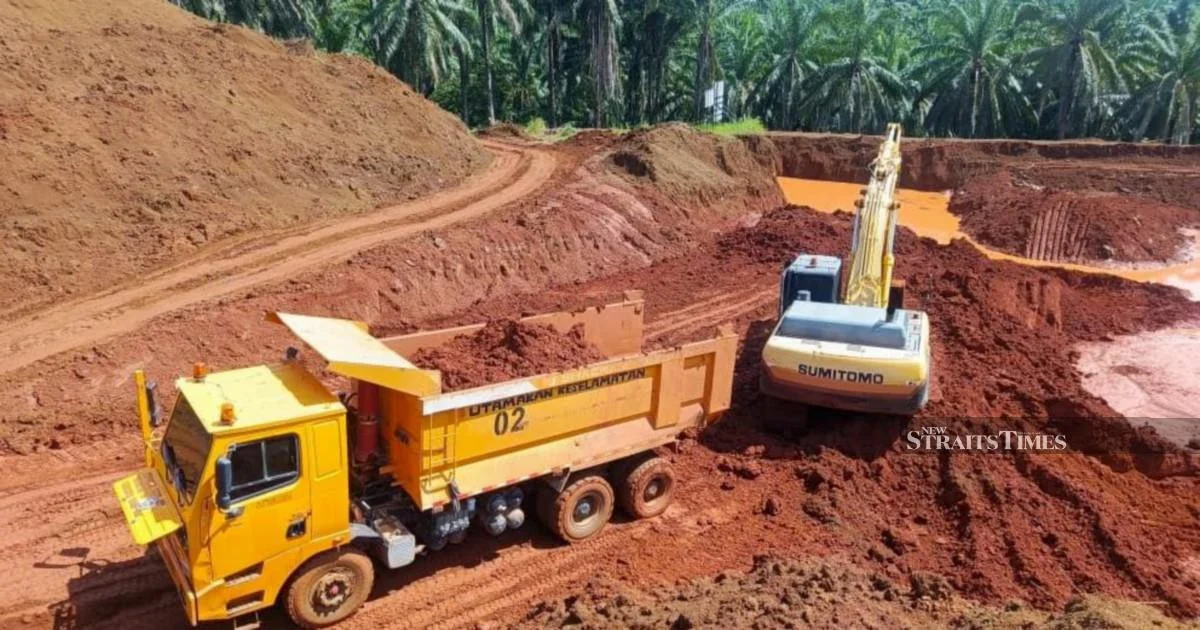
Police in Terengganu have arrested two men suspected of operating an illegal silica sand extraction and transfer operation in Marang, with enforcement agencies seizing machinery valued at RM1.8 million as part of the crackdown. The arrests mark the latest effort by authorities to combat unregulated mining activities that have drawn scrutiny across the state and region.
Silica sand, a crucial raw material for industries ranging from glass manufacturing to construction and semiconductor production, remains subject to strict licensing requirements in Malaysia. Unauthorised extraction and distribution networks undermine legitimate mining operations while depriving the government of tax revenue and environmental compliance oversight. The seized equipment indicates a substantial-scale operation, suggesting these individuals may have been engaged in systematic, rather than opportunistic, illegal activity.
The enforcement action reflects intensified attention to mining violations in Terengganu, a state with significant mineral resources that has faced persistent challenges in managing extraction activities. Authorities have prioritised detecting illicit operations that exploit loopholes in monitoring systems or operate in remote areas where oversight is limited. The substantial value of confiscated machinery—RM1.8 million—underscores the financial incentives driving illegal mining networks and the resources often required to conduct such operations at commercial scale.
Illegal silica sand extraction carries environmental and safety ramifications beyond regulatory breaches. Uncontrolled mining can destabilise terrain, affect water tables, and create unsafe working conditions for labourers who may be unaware of hazards. Without proper licensing and environmental assessments, extraction sites often lack reclamation plans, potentially leaving degraded landscapes for communities. The enforcement action addresses not only financial crime but broader concerns about resource stewardship and public welfare.
Silica sand demand remains robust across Southeast Asia's industrial sectors, creating persistent market pressures that incentivise smuggling and unlicensed extraction. Construction booms, manufacturing expansion, and infrastructure development across the region sustain high prices for the material, making the risk-reward calculation attractive for criminal networks. Malaysian authorities face the challenge of disrupting supply chains while maintaining legitimate commerce for licenced operators who contribute lawfully to the economy.
The arrests in Marang occur against a backdrop of broader mining enforcement efforts in Terengganu and neighbouring states. Regular operations targeting illegal quarrying, sand dredging, and mineral extraction reflect coordinated pushes to regulate the sector. These interventions aim to protect state resources, ensure fair competition among licensed operators, and prevent environmental degradation that could affect long-term sustainability of mining as an economic activity.
Investigations into the arrested individuals will likely examine the scope of their operation, duration of illegal activity, potential buyers or distributors of the silica sand, and whether other networks facilitated their operations. Authorities typically pursue charges under mining regulations and may explore links to organised criminal groups if evidence suggests hierarchical involvement. The scale of machinery seized suggests sufficient investigation findings to justify custody and further judicial proceedings.
For legitimate silica sand producers in Malaysia, enforcement actions create a more level playing field by removing competitors operating outside legal and cost frameworks. Licensed operators must comply with environmental standards, pay royalties, and maintain insurance and safety protocols—expenses that unlicensed competitors avoid. Successful crackdowns reduce pressure on legitimate businesses undercut by illegal suppliers and reinforce the viability of lawful mining operations.
The case highlights vulnerabilities in monitoring remote extraction sites and detecting material movement. Terengganu's geography, with coastal areas, river systems, and forested regions, provides multiple pathways for moving extracted materials discreetly. Strengthening surveillance capacity, improving information sharing between agencies, and engaging community reporting mechanisms remain key strategies for authorities combating these operations. Cross-border cooperation with Kelantan and Pahru also enhances detection of materials transported between states.
For Malaysian readers and businesses dependent on legitimate silica sand supplies, enforcement actions signal official commitment to maintaining regulatory frameworks and supporting lawful suppliers. Companies sourcing this material should ensure their suppliers hold valid licences, as purchasing from unlicensed operators carries legal risks and reputational consequences. The RM1.8 million seizure demonstrates that authorities possess capacity to detect and dismantle significant illegal operations, though ongoing challenges remain.
The broader implications extend to regional supply chains in Southeast Asia, where Malaysian silica sand serves industrial users across borders. Disrupting illegal extraction networks helps ensure consistent supply from authorised sources and protects regional markets from unstable, illicit supplies that lack quality assurance. As industrial demand for silica sand grows across the region, maintaining regulatory integrity becomes increasingly important for sustainable resource management.
Looking forward, the Marang arrests underscore the need for continued vigilance, investment in enforcement capacity, and coordination between mining authorities, environmental agencies, and police. Technology including satellite monitoring, data analytics for tracking licensing compliance, and intelligence sharing can enhance detection capabilities. Simultaneously, ensuring licensing processes are efficient and accessible to legitimate operators reduces incentives for businesses to pursue illegal pathways, addressing supply-side pressures that fuel underground extraction networks.

