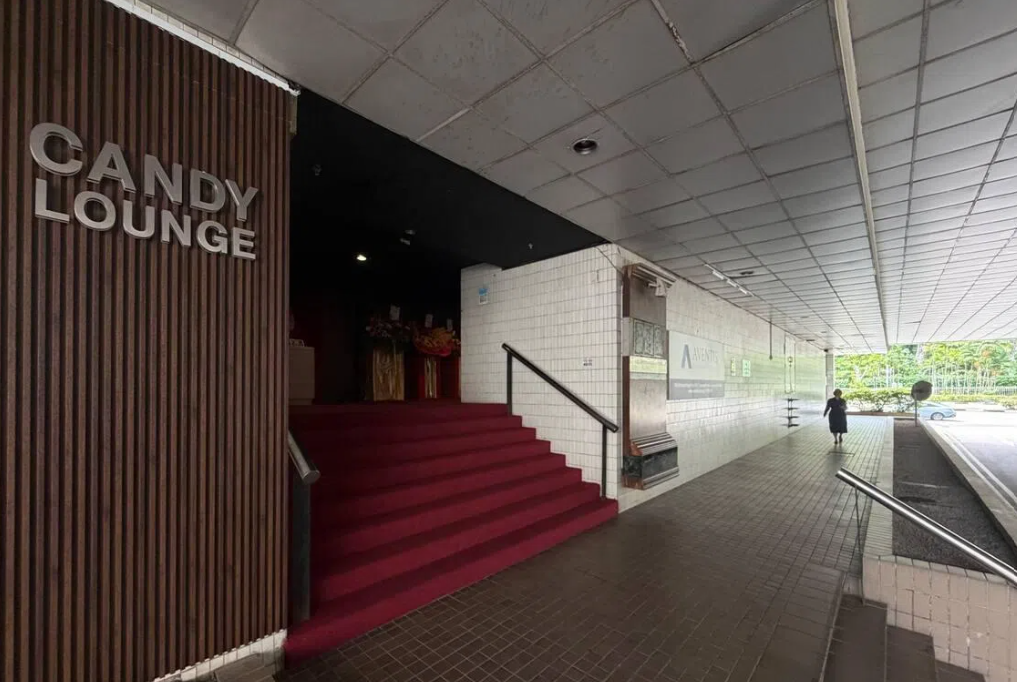
A pre-dawn confrontation outside a popular nightspot in Singapore's Orchard Road precinct has left four men hospitalised and prompted two arrests, reflecting ongoing concerns about knife-related violence in the city-state. The incident unfolded in the early morning hours of Thursday, July 2, near the intersection of Orchard Road and Buyong Road, when emergency services responded to reports of a physical altercation at approximately 3am.
When police officers reached the location, they discovered four injured men, all aged 38, at the scene. Three of the victims sustained lacerations while the fourth experienced minor injuries. All four were transported to Tan Tock Seng Hospital in conscious condition, according to authorities. The swift police response and hospitalisation of multiple casualties underscored the severity of the clash, which appeared to involve considerable force.
Investigations following the initial emergency response led to the apprehension of two suspects. A 25-year-old man and a 27-year-old man were arrested on suspicion of voluntarily causing hurt by dangerous means—a charge that typically reflects the use of weapons or implements in causing injury. The 27-year-old suspect was subsequently transported to the same hospital as the injured men, though he remained in conscious condition. Officers also secured a knife as evidence from the scene, indicating the nature of weapons involved in the confrontation.
Accounts provided to Chinese-language media outlet Lianhe Zaobao suggest the incident stemmed from tensions between two groups of patrons who had been at Candy Lounge, a nightclub operating at the junction. According to these reports, one individual sustained a stab wound to the neck during the altercation, highlighting the potentially life-threatening nature of the violence. The nightclub operates under standard hours of 10pm to 3am daily, with extended service until 4am on Saturdays and public holidays, placing the incident within its normal operating window.
By mid-morning when journalists arrived at the scene around 9.20am, all visible signs of emergency response activity had ceased and traffic flowed normally through the junction. However, this rapid restoration of normality masked the underlying security concerns among nearby businesses. Shop owners occupying premises in Orchard Plaza, located adjacent to the incident site, reported having no awareness that the brawl had occurred. Neither police nor security personnel had notified them of the morning's events, suggesting a lack of proactive communication with the commercial community about such incidents.
The incident arrives against a troubling backdrop of rising violence involving bladed weapons across Singapore. Official statistics reveal that knife-related crimes have surged, with authorities recording 75 separate incidents in the first half of 2025 compared to 59 during the equivalent period in 2024—a notable increase of approximately 27 percent year-on-year. This upward trajectory in blade-related offences has prompted greater public concern about personal safety, particularly in entertainment districts and during late-night hours when supervision and police presence may be reduced.
The Orchard Road precinct, long established as Singapore's premier shopping and entertainment destination, has traditionally maintained a strong security presence. Yet the occurrence of serious violent crime involving weapons in this high-profile area raises questions about the effectiveness of current preventative measures and the capacity of venue management to maintain order among patrons. The involvement of alcohol-fuelled establishments in late-night violence remains a persistent challenge for urban authorities managing nightlife districts across Asia.
For Malaysia and the broader Southeast Asian region, the incident serves as a cautionary reminder about the escalating nature of urban violence and its association with entertainment venues. Similar patterns of blade-related assaults have been documented in major Malaysian cities, where nightspots and entertainment precincts have occasionally become flashpoints for patron conflicts. The Singapore experience suggests that even strictly regulated jurisdictions with substantial policing resources continue to grapple with spontaneous outbursts of serious violence among groups of young men, often occurring during peak leisure hours.
The charges of voluntarily causing hurt by dangerous means carry significant legal consequences in Singapore's framework, potentially resulting in imprisonment and substantial fines. However, the broader implications extend beyond individual culpability to encompassing questions of venue responsibility, alcohol service protocols, and environmental design aimed at reducing confrontation. Venue operators face increasing pressure to implement effective security measures, staff training programmes, and conflict de-escalation protocols to prevent such incidents.
Authorities have indicated that investigations remain active and ongoing. The police have not yet released further details regarding the specific circumstances that precipitated the confrontation, the relationship between the opposing groups, or any prior incidents involving either group. Such information would prove valuable in understanding whether the brawl represented an isolated occurrence or reflected deeper tensions among regular patrons.
The incident also highlights the importance of swift public communication following significant crimes in commercial districts. The apparent lack of notification to nearby business owners—who might have observed relevant details or earlier warning signs—suggests potential gaps in inter-agency coordination and community engagement protocols. Enhanced communication between law enforcement and the commercial community could prove valuable for both immediate incident response and longer-term crime prevention.

