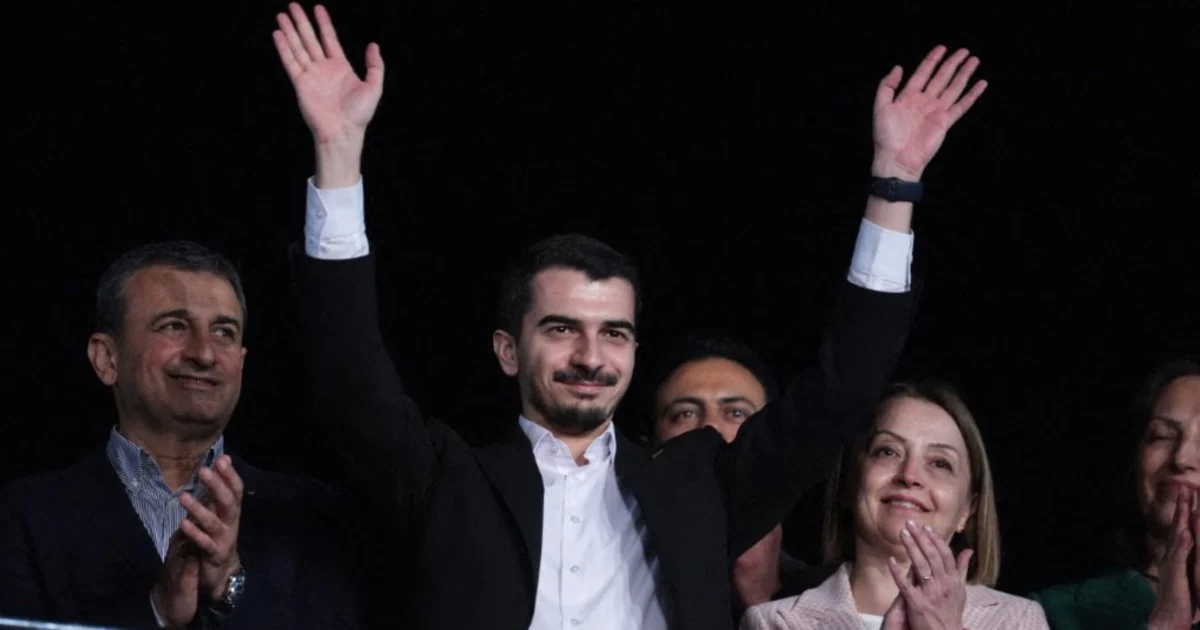
Turkish prosecutors have escalated a significant corruption inquiry by ordering the detention of 36 suspects, among them a municipal leader of an Ankara district governed by the country's main opposition party, according to the Ankara chief prosecutor's office. The broad sweep of arrests reflects intensifying scrutiny over allegations of systematic bribery and fraudulent procurement practices that prosecutors believe undermined fair competition in public contracting.
The detention order, issued by Turkey's judicial authorities, encompasses accusations of tender manipulation and illicit payments within the administrative and business networks surrounding Ankara's local government. The inclusion of an opposition-affiliated mayor signals that the investigation crosses traditional political boundaries, though such multi-party corruption probes have historically proven contentious in Turkey's polarised political climate.
Ankara, as the nation's capital and administrative hub, processes substantial government procurement contracts across multiple sectors annually. These tenders attract significant commercial interest, and allegations of rigging would have ripple effects through construction, infrastructure, and service provision industries operating in the region. The investigation's scope suggests prosecutors believe the misconduct extended beyond isolated incidents to constitute an organised pattern involving coordinated actors across municipal and private sectors.
Opposition-controlled municipalities in Turkey have faced increased scrutiny under the current administration, though Ankara specifically has been a stronghold of the Republican People's Party (CHP) for over a decade. The detention of a district mayor from this party configuration complicates the narrative of purely partisan enforcement, lending the investigation a measure of cross-factional credibility that independent observers may find noteworthy.
For Malaysian readers, this development illustrates how corruption investigations in large emerging democracies often entangle local politicians, bureaucrats, and business intermediaries in webs of alleged misconduct. The Turkish case demonstrates that scale and sophistication of such schemes can extend beyond single transactions to encompass systematic manipulation of procurement machinery—a vulnerability that transcends national borders and development levels.
Public procurement remains an endemic vulnerability point for corruption across the developing world, and Turkey's experience mirrors challenges documented in Southeast Asia. When municipal authorities control contract allocation, opportunities multiply for collusion between officials, contractors, and their financial facilitators. The thirty-six-person detention threshold suggests investigators have mapped networks of sufficient complexity to justify simultaneous action against multiple nodes.
Turkey's judicial system has demonstrated periods of independence punctuated by political volatility over recent decades. How prosecutors pursue this investigation, whether it expands further, and whether all detained individuals face formal charges will offer signals about institutional autonomy and rule-of-law health within Turkey's framework. Such indicators matter not only to Turkish citizens but to international investors and regional observers assessing governance stability.
The timing and scope of such probes invariably invite scrutiny of political motivation in Turkey's context. Opposition parties have occasionally questioned the selectivity of corruption investigations, contending that ruling party members accused of similar offences face lighter treatment. This particular case's multi-party dimensions may insulate it from some such accusations, though critics will likely monitor charging decisions and prosecution vigour as the process unfolds.
For Southeast Asian governance analysts, the Turkish case reinforces that corruption involving municipal administration, tender processes, and bribery networks represents a global pattern rather than a regional aberration. The structural vulnerabilities that enable such misconduct in Ankara resemble those documented in Indonesian cities, Filipino municipalities, and Thai provincial governments. Addressing these requires not merely individual prosecutions but systemic reforms to procurement transparency, conflict-of-interest regulation, and whistleblower protection frameworks.
The detention of 36 individuals simultaneously underscores how comprehensive anti-corruption operations require coordination across multiple investigative agencies and jurisdictional levels. Turkish prosecutors evidently worked to synchronise actions that prevent suspects from warning associates or destroying evidence. Such operational coordination demands institutional capacity that develops unevenly across both developed and developing nations.
This investigation will likely unfold over months, with initial detentions potentially giving way to formal charges, bail hearings, and trials that may occupy Turkish courts for years. International observers from the European Union and other institutions monitoring Turkey's judicial independence will track the case's progression as one indicator among many regarding systemic reform or political instrumentalisation.

