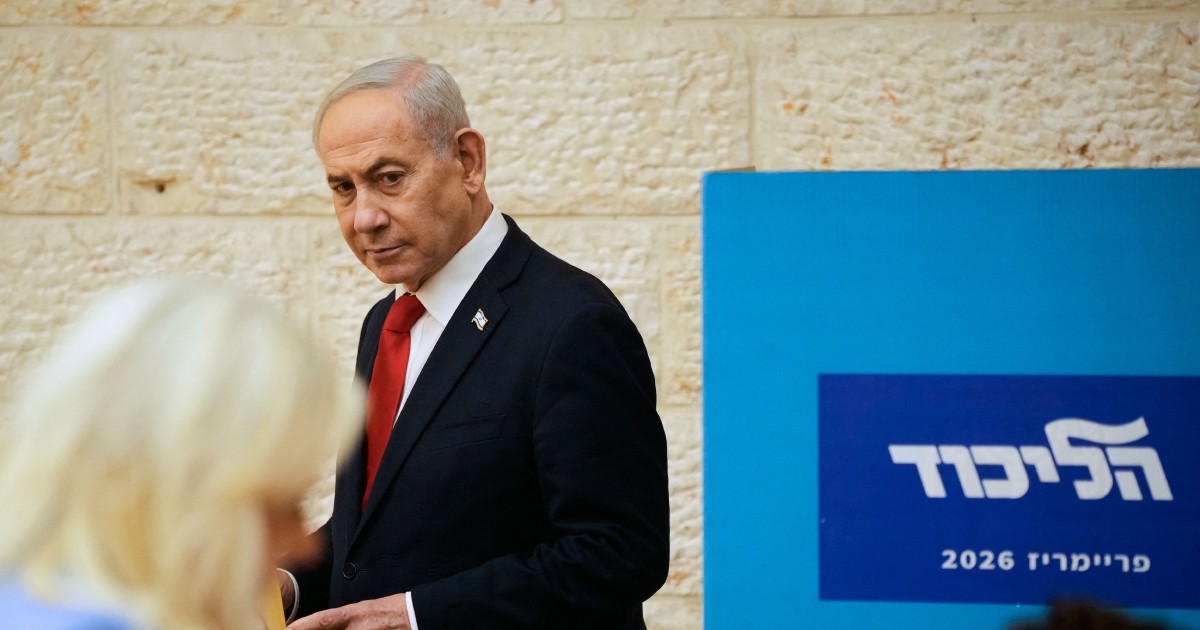
Turkey's Justice Minister Akin Gurlek announced on Friday that the country has initiated an international arrest warrant for Israeli Prime Minister Benjamin Netanyahu. The legal action centres on an investigation into Israel's interception of an aid vessel bound for Gaza, marking an escalation in diplomatic tensions between the two regional powers and signalling Ankara's willingness to use international legal mechanisms to challenge Israeli military actions.
The warrant underscores the strain in Turkish-Israeli relations, which have deteriorated significantly amid the broader conflict in Gaza. Ankara has positioned itself as a vocal critic of Israeli military operations, frequently condemning what it characterises as disproportionate force against Palestinian civilians. This formal legal step demonstrates that Turkey intends to move beyond rhetorical condemnation and pursue accountability through international judicial channels.
The flotilla incident that prompted the investigation appears connected to broader humanitarian concerns about access to Gaza. Aid organisations and governments have repeatedly raised alarms about restrictions on relief supplies reaching the territory, with Turkey particularly prominent in advocating for unrestricted humanitarian corridors. The interception of vessels carrying assistance to Gaza residents has become a recurring flashpoint in Turkish-Israeli disputes.
Historically, Turkish-Israeli relations have experienced cycles of tension and reconciliation, but recent years have witnessed a pronounced shift toward confrontation. The Gaza conflict has amplified existing disagreements and created new points of friction. Turkey's decision to pursue an international arrest warrant represents a notable intensification, as such measures typically require significant political will and reflect deep institutional commitment to the cause.
The timing of the announcement carries diplomatic weight within the regional context. As international attention to the Gaza situation remains intense, Turkey's move signals that it will not defer accountability questions to distant diplomatic channels. For Malaysian readers and others in Southeast Asia, this development highlights how Middle Eastern conflicts increasingly intersect with global legal frameworks, setting precedents that could influence how nations address wartime conduct in the future.
An international arrest warrant, while symbolically significant and legally binding in countries that recognise it, faces practical limitations. Netanyahu would face arrest only if he travelled to countries with extradition treaties to Turkey or those that honour such warrants through Interpol mechanisms. This reality reflects the constraints facing developing nations in enforcement, though the warrant nonetheless serves as a formal declaration of legal accountability claims.
The investigation's scope remains partially undefined in public statements, though Justice Minister Gurlek's announcement suggests the examination encompasses multiple aspects of the flotilla interception. Turkish authorities may be examining whether the operation violated international law concerning humanitarian assistance, civilian safety, and maritime conduct. These legal categories matter significantly because they determine which international courts might eventually review the matter.
For Turkey domestically, the warrant addresses domestic political constituencies that have strongly supported Palestinian causes. President Recep Tayyip Erdogan's government has cultivated an identity partly rooted in defending Muslim-majority regions against external pressure, and taking visible stands on Gaza resonates with substantial portions of Turkish public opinion. The arrest warrant simultaneously serves international advocacy and domestic political objectives.
The broader implications extend to how middle-income nations navigate accountability for powerful states' military actions. Turkey's approach, using its own legal system to initiate international procedures, offers a model that other countries might replicate. This development could influence how nations respond to future conflicts, potentially establishing expectations that accountability mechanisms should function regardless of power asymmetries between parties.
For Israeli-Turkish relations specifically, the warrant likely closes off near-term diplomatic overtures and deepens the rift. Both nations have significant regional interests and occasionally coordinate on security matters, but such formal legal actions typically require extended periods to overcome. The announcement suggests that Turkish leadership has calculated the political benefits of strong positioning on Gaza as outweighing potential costs to bilateral relations.
The international community's reception of Turkey's action will vary considerably. Nations sympathetic to Palestinian causes may view it as legitimate accountability, while others may question its diplomatic utility or characterise it as performative. The divergence in perspectives reflects broader disagreements about Gaza, humanitarian law, and the appropriate mechanisms for addressing alleged violations.
Malaysia's own history of vocally supporting Palestinian causes means this development carries particular relevance for Malaysian audiences and policymakers. Turkish actions demonstrate how nations position themselves as advocates for disadvantaged populations, using available legal and diplomatic tools to amplify their voice. The precedent established here could inform how Southeast Asian nations approach similar situations in future conflicts.

