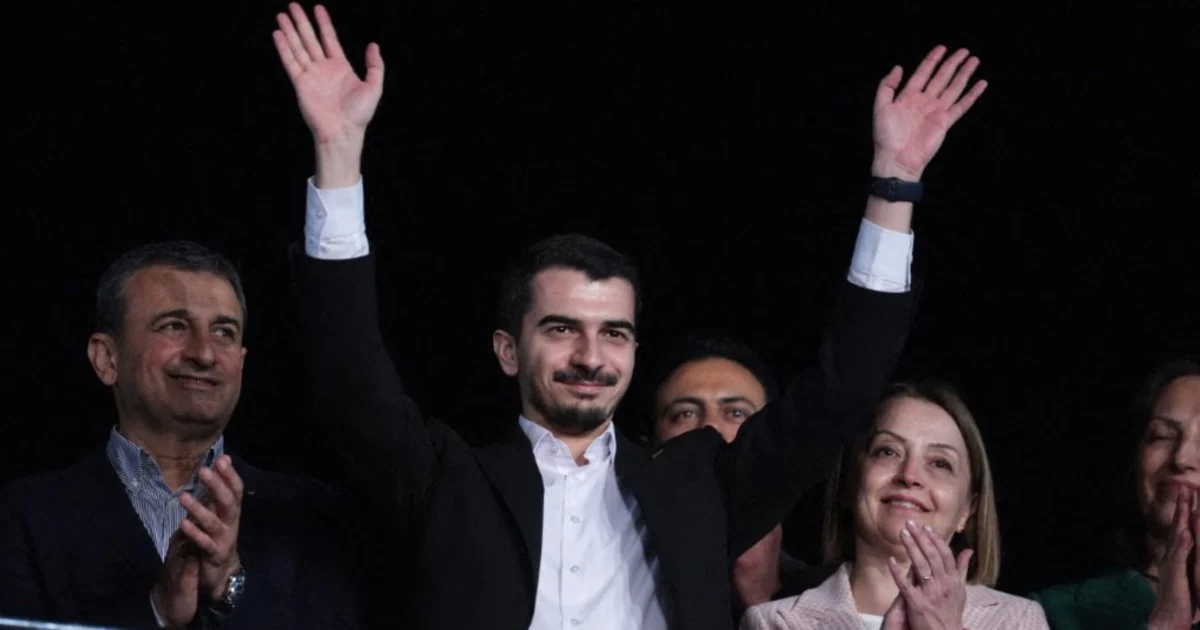
Turkish prosecutors have moved against 36 individuals, including the mayor of Keçiören district in Ankara, in what appears to be one of the more significant corruption probes targeting an opposition-controlled municipality in recent years. The Ankara chief prosecutor's office announced the detentions as part of a sweeping investigation centred on allegations of bribery and the manipulation of public procurement processes, suggesting systematic irregularities in how the district administration awarded contracts and conducted tenders.
The inclusion of a sitting mayor from the main opposition Republican People's Party signals the serious scope of the investigation, which extends beyond individual civil servants to reach the highest administrative levels of the municipality. Such cases carry particular weight in Turkish politics, where local governance has increasingly become a focal point for scrutiny and where allegations of financial impropriety can reshape public perception of parties and their management capabilities. The targeting of an opposition-led administration may intensify already heated political discourse, particularly given Turkey's polarised climate where such investigations are sometimes viewed through a partisan lens.
Tender-rigging and bribery in municipal administration typically involves collusion between local officials, contractors, and sometimes intermediaries to steer public contracts to favoured bidders in exchange for illicit payments or kickbacks. In Turkish municipalities, which control significant budgets for infrastructure, services, and public works, such schemes can siphon substantial resources away from legitimate public expenditure. The investigation's breadth—touching 36 individuals—suggests prosecutors believe the alleged corruption was neither isolated nor limited to a single project, pointing instead toward what they likely view as institutionalised malfeasance across multiple tenders and contracts.
Keçiören is one of Ankara's largest and most populous districts, with responsibilities spanning everything from waste management and transportation to urban development and social services. The scale of public funds flowing through such a municipality makes it a significant target for corruption schemes. For Malaysian readers accustomed to governance standards in the region, such investigations highlight how corruption vulnerabilities in public procurement systems remain a persistent challenge even in relatively developed Middle Eastern nations. These cases underscore the importance of robust oversight mechanisms and transparency in tender processes—lessons directly applicable to municipal administration across Southeast Asia.
The investigation's timing and scope will likely influence public confidence in the district's governance structures and could have ramifications for the opposition party's electoral prospects in upcoming municipal or general elections. Turkish political dynamics have seen anti-corruption messaging become increasingly potent, and the opposition's response to these allegations will shape how voters perceive its commitment to clean administration. If the investigation substantiates the alleged irregularities, it could undermine arguments that opposition parties are inherently more competent or virtuous administrators than the governing Justice and Development Party.
From a procedural standpoint, the detention of 36 suspects represents a major enforcement action requiring significant coordination across multiple investigative units and prosecutor offices. Such operations typically follow months or years of financial analysis, witness interviews, and document review. The decision to move forward with simultaneous detentions suggests prosecutors believe they have gathered sufficient evidence to justify the escalation and that further detention is necessary to prevent obstruction of justice, evidence destruction, or coordination among suspects—standard legal justifications in Turkish criminal procedure.
The allegations of tender manipulation carry broader implications for Turkey's business environment and institutional credibility. Foreign and domestic investors scrutinise governance standards when making decisions about where to operate, and high-profile corruption cases—particularly at the municipal level—can feed negative perceptions about systemic institutional weakness. Conversely, vigorous prosecution of such cases, regardless of the political affiliation of those investigated, sends a message that the justice system operates independently and can hold officials accountable regardless of party affiliation.
The investigation reflects Turkey's complex relationship with corruption enforcement, where legal mechanisms exist to address financial crimes but are sometimes perceived as selectively applied. The prosecution's decision to pursue a high-profile case involving opposition party officials might be viewed by some observers as demonstrating impartiality, while others may question whether equally vigorous investigations target officials from the ruling party. Public perception of anti-corruption efforts hinges significantly on whether enforcement appears consistent and apolitical—a challenge facing any nation where governance and politics are deeply intertwined.
For Southeast Asian observers, the case illustrates vulnerabilities that exist in municipal administrations across the region, where procurement regulations, oversight mechanisms, and anti-corruption enforcement capacity vary significantly. Cities and districts with rapid growth, substantial development budgets, and complex administrative structures—characteristics shared by many major municipalities across Malaysia, Indonesia, Thailand, and the Philippines—face heightened risks of corruption if transparency and accountability systems are inadequately maintained. The Turkish case demonstrates how such schemes, once detected, can trigger investigations touching dozens of individuals across administrative hierarchies.
The coming weeks will likely see further developments as detained suspects are interrogated and prosecutors determine whether to extend detentions, file formal charges, or release individuals pending trial. These procedural decisions will influence whether the investigation culminates in convictions that reshape perceptions of the Ankara administration or whether it becomes mired in the protracted legal battles that characterise many Turkish corruption cases. The investigation's ultimate impact will depend not only on what prosecutors can prove but on public confidence that justice is being pursued fairly and thoroughly.

