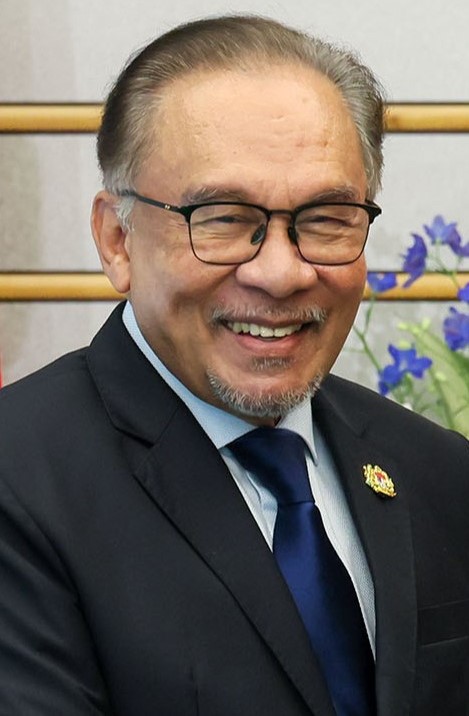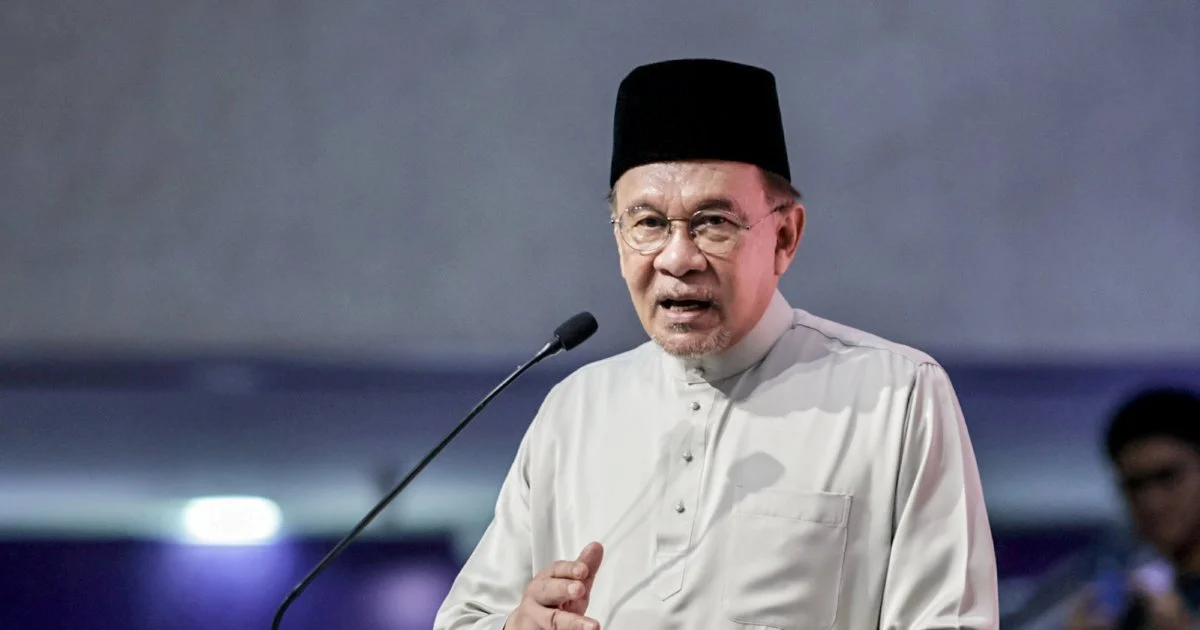
The Tunku Mahkota of Johor, Tunku Ismail Sultan Ibrahim, received Prime Minister Datuk Seri Anwar Ibrahim during an official engagement in Kuala Lumpur, with both parties describing the occasion as warm and constructive. The meeting underscores the continued engagement between the nation's political leadership and the royal institution, reflecting customary protocols that govern high-level state interactions in Malaysia's constitutional monarchy.
Such audiences between senior royalty and the Prime Minister represent an important dimension of Malaysia's constitutional framework, wherein the Yang di-Pertuan Agong and state rulers maintain formal channels of communication with the executive branch. The Tunku Mahkota's position as the heir apparent to the Johor throne places particular significance on his interactions with federal leadership, as the state plays a substantial economic and political role within the federation. Johor's status as Malaysia's second-largest state by population and its strategic location in the southern region make such dialogues potentially consequential for both state and national governance.
The characterization of the meeting as harmonious carries symbolic weight in Malaysia's political landscape, where royal-executive relations occasionally attract public scrutiny and commentary. By publicly framing the encounter in positive terms, both parties signal alignment on matters of mutual concern and underscore the institutional stability that underpins Malaysia's governmental system. Such messaging is particularly relevant given the occasional tensions that can arise between different levels of government and between political actors, making demonstrations of consensus valuable for national morale and investor confidence.
The Tunku Mahkota's visibility in national affairs has grown in recent years as he has taken on increasingly prominent roles representing Johor's interests at federal forums. His engagement with the Prime Minister reflects the dual nature of his position: as a member of the royal establishment with constitutional responsibilities and as a younger-generation leader with contemporary perspectives on governance and development. This positioning often places him at the intersection of tradition and modernization within Malaysia's institutional architecture.
While the immediate details of their discussions were not extensively elaborated, audiences of this nature typically encompass discussions regarding state-federal cooperation, economic development initiatives, infrastructure projects, and matters of mutual administrative concern. The formal nature of such meetings means they serve multiple functions simultaneously: providing an opportunity for substantive policy dialogue, reinforcing institutional protocols, and generating positive messaging about governmental coherence. For a Prime Minister overseeing a complex coalition government and navigating various competing interests, such displays of harmonious relations with influential state actors carry practical and symbolic significance.
For Malaysian observers and regional analysts, the frequency and tenor of meetings between the Prime Minister and state rulers offer insights into the health of Malaysia's federal system and the strength of relationships between different power centres. The apparent cordiality of this particular audience contributes to a broader narrative of institutional stability, which remains important for Malaysia's positioning in an increasingly competitive regional environment where investor confidence and political predictability are valuable assets. A functioning relationship between federal and state leadership is essential for coordinated economic policy implementation and infrastructure development across Malaysia's various regions.
The Tunku Mahkota's role extends beyond ceremonial functions, as he has demonstrated active interest in Johor's development trajectory and has been involved in various initiatives aimed at advancing the state's economic and social agenda. His interactions with federal leadership consequently carry implications for how Johor's priorities are integrated into national planning and resource allocation processes. The apparent harmony evident in today's meeting suggests alignment between state and federal objectives, at least on certain key matters.
From a governance perspective, the maintenance of strong working relationships between the Prime Minister's office and state leadership is fundamental to Malaysia's ability to execute coordinated policies across diverse regions with varying economic profiles and demographic compositions. Johor's particular importance stems from its economic contributions, its historical significance within the federation, and its role as a gateway to the Asean region through Singapore and the broader Indo-Pacific zone. Effective state-federal cooperation in Johor therefore carries implications extending beyond the state itself.
The public acknowledgement of a productive meeting between these two senior figures also serves to reinforce the legitimacy of both the monarchy and the Prime Minister's administration. In Malaysia's constitutional system, such mutual recognition and visible cooperation between different branches of authority contributes to broader perceptions of governmental legitimacy and institutional cohesion. For citizens and observers both domestically and internationally, such interactions provide reassurance about the stability and functionality of Malaysia's political institutions.
Looking forward, audiences such as this one typically establish or reaffirm frameworks for ongoing cooperation between state and federal governments on specific policy areas. The cordial nature of today's meeting suggests that any outstanding issues between Johor and the federal government may be approaching resolution or moving toward productive compromise. This has practical implications for investment decisions, administrative efficiency, and the implementation of development projects that span both state and federal jurisdictions.
The regular engagement between the Tunku Mahkota and the Prime Minister reflects the reality that Malaysia's federal system requires continuous communication and coordination among its various institutional actors. While such meetings are routine in governance terms, their public characterization and the apparent warmth of their execution carry significance in shaping perceptions of national stability. For stakeholders ranging from business leaders to regional observers, visible evidence of harmonious relations between key figures in Malaysia's political and royal establishments reinforces confidence in the nation's institutional resilience and capability to manage governance challenges effectively.