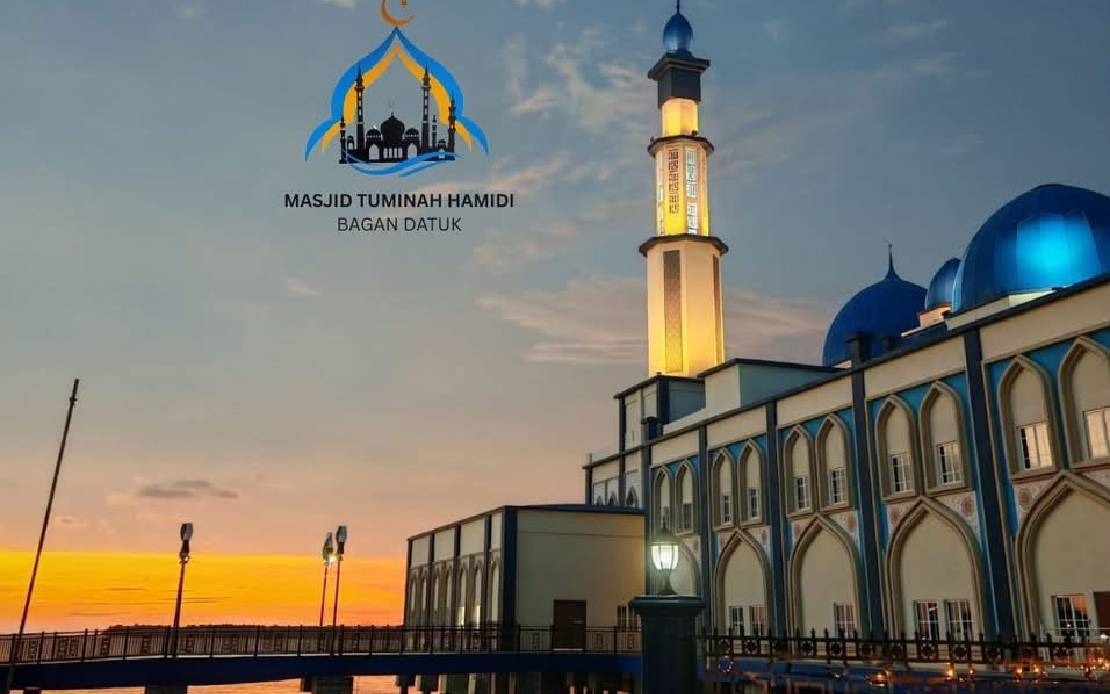
The Tuminah Hamidi Mosque in Bagan Datuk will open its doors to the general public for Malaysia's first-ever National Mosque Open Day, a three-day celebration running from August 13 to August 15 that aims to reframe mosques as inclusive community gathering spaces rather than purely religious venues. The inaugural event, organised by the Islamic Tourism Centre (ITC) under the Ministry of Tourism, Arts and Culture (MOTAC), represents a significant step in positioning Malaysia as a Muslim-friendly destination while promoting interfaith dialogue and cultural appreciation among residents and international visitors.
The concept underpinning this inaugural initiative recognises that mosques serve multifaceted roles within society beyond their primary function as houses of worship. According to ITC officials, these institutions are vibrant hubs where people congregate for learning, social connection, community service, and the celebration of shared values and traditions. By opening the Tuminah Hamidi Mosque to diverse audiences regardless of religious background, the event demonstrates Malaysia's commitment to cultural inclusivity and its confidence in showcasing Islamic heritage to a broader demographic. This approach aligns with growing global trends in interfaith tourism and cultural exchange, offering Malaysian attractions a competitive advantage in the regional tourism market.
Admission to the event is complimentary, and organisers have explicitly stated that all individuals are welcome regardless of race, religion, or nationality. This accessibility removes potential barriers to participation and signals an intentional effort to engage communities that might otherwise feel disconnected from Islamic cultural spaces. The free-entry model also ensures equitable access for lower-income families and domestic tourists, expanding the potential audience beyond affluent visitors who typically participate in paid tourism experiences.
The opening day on August 13 will emphasise spiritual and cultural enrichment through carefully curated programming. A Qasidah performance by the Nur Ahli Badar group will set the tone, followed by religious talks or tausiyah delivered by Ustaz Habib Ali Zaenal Abidin Alhamid and Ustaz Habib Najmuddin Othman Alkhered. These spiritual components provide authenticity to the event while introducing non-Muslim audiences to the rhythms of Islamic communal practice and religious instruction.
The centrepiece of the celebration occurs on August 15 at Dataran Bagan Datuk, where organisers have planned an expansive community festival tailored to appeal to multiple demographic groups and interests. The day begins with a guided brisk walk led by actor Bell Ngasri, combining physical wellness with mosque tourism. This opening activity effectively frames the mosque visit as part of a holistic lifestyle experience rather than an isolated cultural observation.
The festival programme encompasses traditional games and contemporary activities designed to engage various age groups and interests simultaneously. A 3x3 street soccer tournament caters to sports enthusiasts, while e-sports competitions appeal to younger participants. Archery, a khat (Islamic calligraphy) demonstration, and an azan competition provide cultural and artistic elements that showcase Islamic traditions in accessible formats. Children's programming includes a colouring contest, ensuring families with young attendees can participate comfortably throughout the day.
Entertainment will feature appearances by Malaysian celebrities Aril Pilus and Elly Mazlein, alongside live performances and cultural showcases that maintain visitor interest during quieter periods. Exhibitor sharing sessions and lucky draws add interactive elements that encourage extended engagement with the venue and participating organisations. This entertainment-focused approach reflects contemporary event management practices that recognise diverse audience preferences and attention spans.
Deputy Prime Minister Datuk Seri Dr Ahmad Zahid Hamidi will officially launch the National Mosque Open Day 2026, indicating high-level government endorsement and institutional importance. This ministerial participation underscores the government's strategic interest in leveraging Islamic heritage for tourism development and cultural diplomacy. The launch also suggests that this inaugural event at Tuminah Hamidi Mosque will become an annual fixture with expanded scope and scale in subsequent years.
For Malaysian readers, this initiative carries significance beyond tourism metrics. It reflects ongoing national conversations about religious tolerance, interfaith relations, and the role of religious institutions in plural societies. In a regional context where religious tensions occasionally emerge, Malaysia's deliberate strategy to position mosques as welcoming community spaces sends a powerful message about the country's commitment to religious harmony and inclusive citizenship. This contrasts with more restrictive approaches to religious site access in some neighbouring countries and reinforces Malaysia's positioning as a moderate Muslim-majority nation.
The National Mosque Open Day builds upon ITC's existing monthly Mosque Open Day programme, which operates on a rotating basis across various Malaysian mosques. This expansion to a flagship national event with ministerial endorsement and enhanced programming suggests a strategic scaling of successful community engagement practices. The programme aims to deepen public understanding of Islamic architecture, heritage preservation, cultural traditions, and the contemporary social functions of mosques within Malaysian communities.
For international visitors and diaspora communities, the event provides curated entry points to Malaysian Islamic culture without requiring extensive prior knowledge or religious affiliation. This accessibility factor positions Malaysia competitively within the Muslim tourism market, particularly as destinations like Indonesia, Turkey, and the United Arab Emirates similarly expand Islamic heritage tourism offerings. By lowering barriers to mosque visitation and creating engaging programming beyond traditional worship contexts, Malaysia can capture growing international interest in Islamic art, architecture, and cultural tourism.
Visitors seeking additional information can access resources through mymuslimtrip.com or follow Islamic Tourism Centre on Facebook and Instagram. These digital touchpoints facilitate broader audience reach and enable ongoing engagement between events. Social media platforms allow real-time updates, participant testimonials, and community building that extend the event's impact beyond the physical three-day celebration.
Ultimately, the National Mosque Open Day represents Malaysia's strategic effort to integrate religious heritage tourism with community cohesion objectives, leveraging cultural assets to simultaneously advance tourism revenue, interfaith understanding, and national soft power. As Malaysia navigates increasingly diverse domestic demographics and competes for international visitor attention, initiatives that authentically showcase Islamic traditions while embracing inclusive participation may become increasingly central to the nation's cultural diplomacy strategy.

