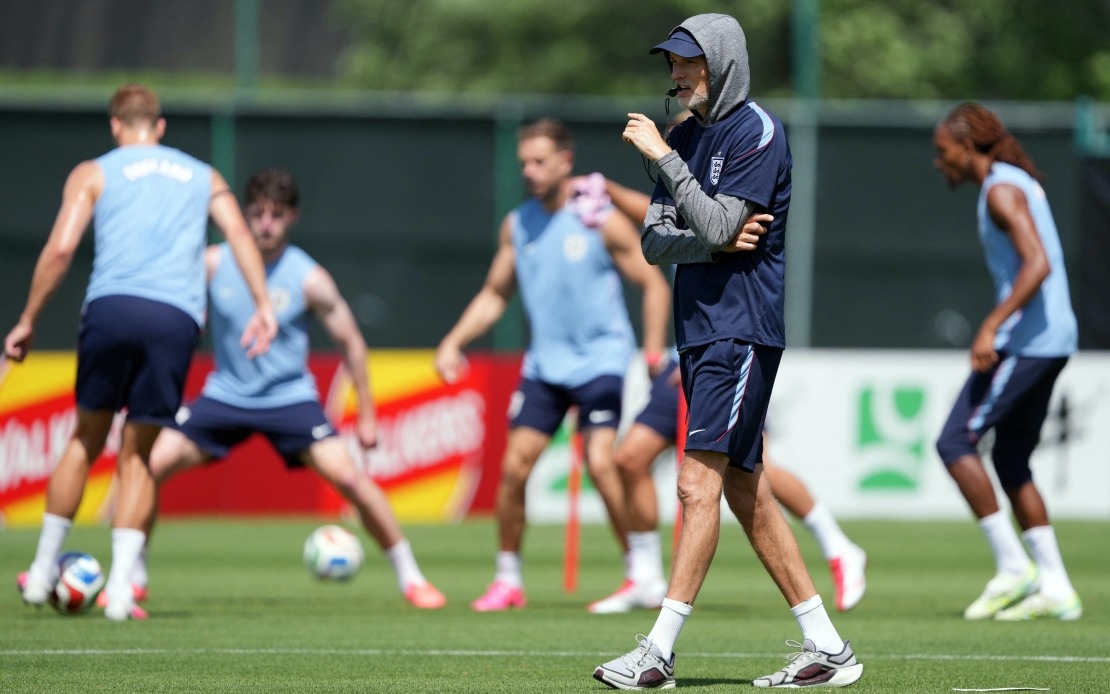
England's clash with the Democratic Republic of Congo in the World Cup last-32 round comes at an unusually early hour on Wednesday, with the Atlanta fixture kicking off at 5 pm United Kingdom time. This represents a significant departure from the nation's earlier tournament schedule, when matches against Croatia and Ghana began at 9 pm, and Saturday's Panama victory started at 10 pm. Manager Thomas Tuchel has acknowledged the different character of this fixture, recognizing that the earlier kickoff provides a rare opportunity for a generation of young supporters to experience their first England match of the tournament without sacrificing sleep before school.
Tuchel's perspective on the contest reflects both his ambition and his pragmatism about what the encounter may entail. The England manager understands that while he and his players prefer to dominate possession and build attacking play, opponents often adopt defensive approaches that can disrupt the flow of football. He has cautioned against assuming that the match will showcase the entertaining, forward-thinking style that English fans have come to appreciate during the tournament, instead emphasizing that his team's commitment and emotional investment should resonate with viewers regardless of the tactical shape the contest takes.
The manager has been explicit about his desire to transmit the team's spirit and intensity to viewers watching from home, particularly the younger demographic who rarely get the chance to tune in at reasonable hours. Tuchel believes that the passion and professionalism displayed by his squad during training and in previous matches can be communicated through television broadcasts, creating a memorable experience for children watching alongside their families. His comments suggest a broader philosophy that entertaining football encompasses more than just flowing attacking movements; it also includes witnessing athletes performing at their highest level with clear motivation and collective purpose.
Tuchel's caution about the nature of entertainment reflects a mature understanding of international football dynamics. Many teams, particularly those facing stronger opponents, prioritize defensive organization and counter-attacking opportunities over attempting to match the technical superiority of established footballing nations. The Democratic Republic of Congo, despite their ranking and resources, would likely fall into this category, meaning England cannot assume they will face an opponent interested in an open, aesthetically pleasing encounter. Instead, the Three Lions must be prepared to break down organized defensive structures, potentially involving periods of reduced intensity and more methodical build-up play.
Given the knockout format, there exists the possibility that the match extends beyond the standard 90 minutes. England and other advancing teams must be mentally and physically ready for the demands of extra time or a penalty shootout, scenarios that would push the fixture well past the intended bedtime for younger viewers. Goalkeeper Jordan Pickford has indicated that the squad has prepared extensively for such contingencies, running through training sessions designed to simulate the fatigue and pressure associated with these scenarios. Pickford's comments suggest that while the team naturally prefers to settle matters within regulation time, they approach the possibility of extended play with confidence rather than trepidation.
The England team's preparation for potential extra-time and penalty scenarios underscores the professionalism expected at this tournament level. Modern football at the international stage demands that elite squads maintain focus and composure even when a match extends into additional periods, requiring different physical and mental resources than a straightforward 90-minute contest. The goalkeeper's readiness reflects broader team conditioning that has been implemented throughout the tournament preparation, ensuring that players can maintain concentration and execution whether the match ends early or requires every available minute of competition.
From a Southeast Asian perspective, the England versus Democratic Republic of Congo matchup offers insights into how established footballing powers navigate knockout competition against less traditionally dominant nations. The tactical and strategic dimensions of this fixture, particularly how Tuchel manages expectations and prepares his team for varied scenarios, provide valuable lessons for regional coaches and analysts studying elite football management. The emphasis on maintaining performance standards and emotional connection with supporters, regardless of the match's aesthetic qualities, reflects the professionalism that distinguishes elite international football from lower-level competition.
The scheduling choice to hold the match at 5 pm UK time carries broader implications for how major tournaments balance commercial interests with accessibility for younger audiences. By creating an opportunity for children to experience international football at a reasonable hour, the World Cup organizers and participating nations demonstrate acknowledgment of football's role in inspiring the next generation of players and supporters. For England specifically, this represents a chance to build the emotional investment of young fans who may otherwise miss out on tournament football due to conventional late-night kickoff times.
Tuchel's leadership approach, combining competitive ambition with awareness of the match's wider cultural significance, illustrates the multifaceted responsibilities of a modern international football manager. Beyond tactical preparation and performance optimization, managers must consider how their teams' displays contribute to the sport's broader appeal and legacy. The England manager's commitment to making the occasion memorable for younger supporters, even while maintaining realistic expectations about the match's likely tactical character, demonstrates sophisticated understanding of football's role beyond the 90 minutes of play.

