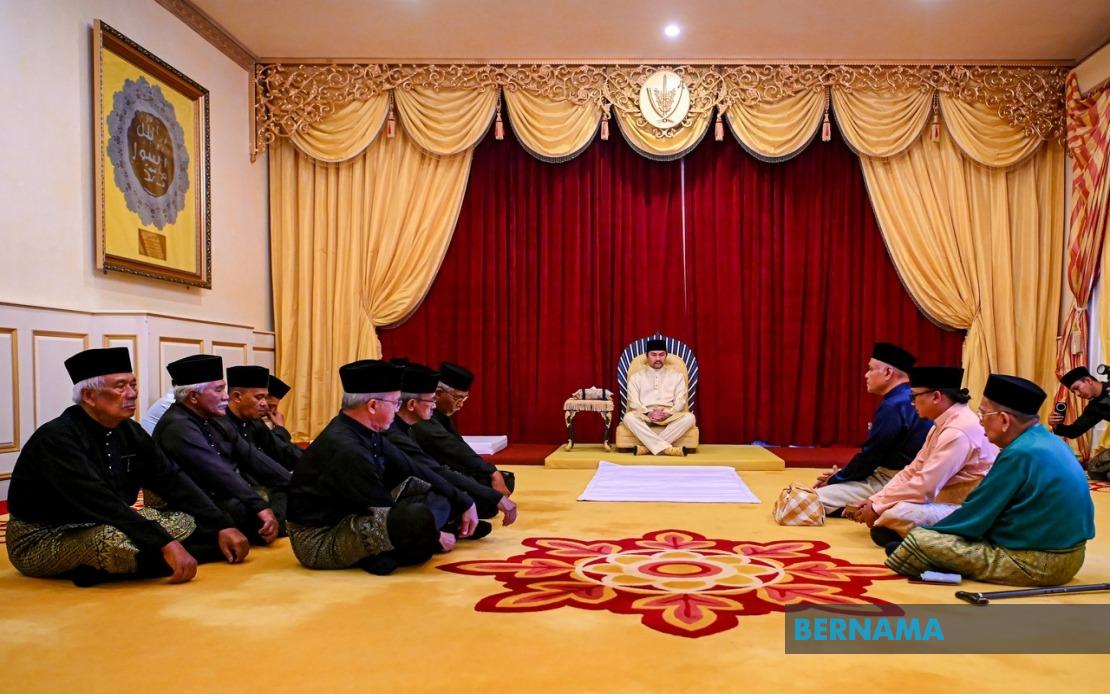
The Yang Dipertuan Besar of Negeri Sembilan, Tuanku Muhriz Tuanku Munawir, has formally consented to conduct a royal audience ceremony tomorrow morning at Istana Besar Seri Menanti in Kuala Pilah to officially install the newly selected leader of Luak Sungei Ujong. The decision comes after weeks of internal deliberations within the traditional governance structure, signalling completion of a significant transition in the adat administration of this historic Negeri Sembilan district.
Tunku Besar Seri Menanti Tunku Ali Redhauddin Tuanku Muhriz, acting on behalf of his father, announced the royal approval during a formal audience with the adat leaders, customary chiefs, and delegations from Luak Sungei Ujong held at the palace today. The conveying of this consent through the Tunku Besar represents the continuation of established protocol whereby constitutional matters affecting the adat governance of the nine luaks are channelled through senior palace officials to ensure proper ceremonial recognition.
Muhammad Faris Johari, a 29-year-old selected through the customary processes of the Buapak council assembly, will become the 11th Undang of Luak Sungei Ujong following the adat and traditions that have governed leadership selection in this luak for generations. The selection reflects the commitment to preserving these indigenous institutional frameworks, which remain culturally and politically significant within Negeri Sembilan's unique constitutional structure. The Undang position carries responsibilities for maintaining adat customs, serving as a custodian of traditional knowledge, and participating in the broader governance mechanisms of the state's luak system.
Waris Negeri Sungei Ujong Datuk Sinda Maharaja Razlan Hamid, representing the luak delegation, conveyed to palace officials that the selection process had been executed in full conformity with established customs and practices unique to Sungei Ujong. This emphasis on procedural correctness reflects the seriousness with which these adat institutions regard their legitimacy and the broader respect within Negeri Sembilan society for adherence to traditional protocols. The involvement of senior adat figures in validating the selection process underscores how contemporary leadership transitions in these communities still operate within frameworks established centuries ago.
The installation ceremony, formally titled Istiadat Menghadap Menjunjung Duli Bagi Menyempurnakan Kejadian Undang Luak Sungei Ujong, will take place Saturday morning and represent the ceremonial apex of the selection process. Tunku Ali Redhauddin indicated that detailed arrangements and logistical preparations will be coordinated between the adat leadership and the Orang Empat Istana, the royal household officials responsible for managing palace ceremonies and official proceedings. This division of responsibilities ensures that both customary and constitutional elements of the installation receive appropriate attention.
The decision addresses the vacancy created when the Dewan Keadilan dan Undang, the judicial and administrative body overseeing adat matters, formally accepted the dismissal of Datuk Klana Petra Datuk Mubarak Dohak from his position as the 10th Undang of Luak Sungei Ujong. This earlier decision had been made at a special sitting chaired by Tuanku Muhriz himself, underscoring the involvement of the state's highest constitutional authority in such significant adat matters. The transition from dismissal to formal installation demonstrates how these traditional systems manage leadership changes through defined institutional channels.
Menteri Besar Datuk Seri Aminuddin Harun's involvement in witnessing and confirming these proceedings highlights the interconnection between state government administration and adat governance in Negeri Sembilan. Although these spheres maintain distinct identities and operate according to different principles, the Menteri Besar's presence acknowledges that decisions affecting luak leadership have implications for the broader administration of the state. This interplay between modern bureaucratic structures and centuries-old customary institutions remains a defining characteristic of Negeri Sembilan's governance model.
The ceremony tomorrow will not address only the Sungei Ujong installation, as Tuanku Muhriz has also approved a parallel royal audience to formalise the installation of the 22nd Undang of Luak Rembau. Holding both ceremonies on the same day reflects a practical approach to managing multiple adat transitions while emphasizing their equal constitutional significance. The simultaneous installations also demonstrate that the luak system continues to function as a living governance structure with regular transitions and renewals of leadership.
For Malaysian readers, these developments in Negeri Sembilan's adat governance represent more than ceremonial matters. They illustrate how states within Malaysia's federal system maintain distinctive constitutional arrangements and traditional institutions that predate independence. The meticulous attention to customary procedures and royal approval in these leadership transitions reflects broader principles of constitutionalism and respect for established governance traditions that characterise Malaysia's pluralistic political framework. The successful resolution of the Sungei Ujong succession, following proper adat processes and receiving royal validation, reinforces the legitimacy of these institutions within contemporary Malaysia.

