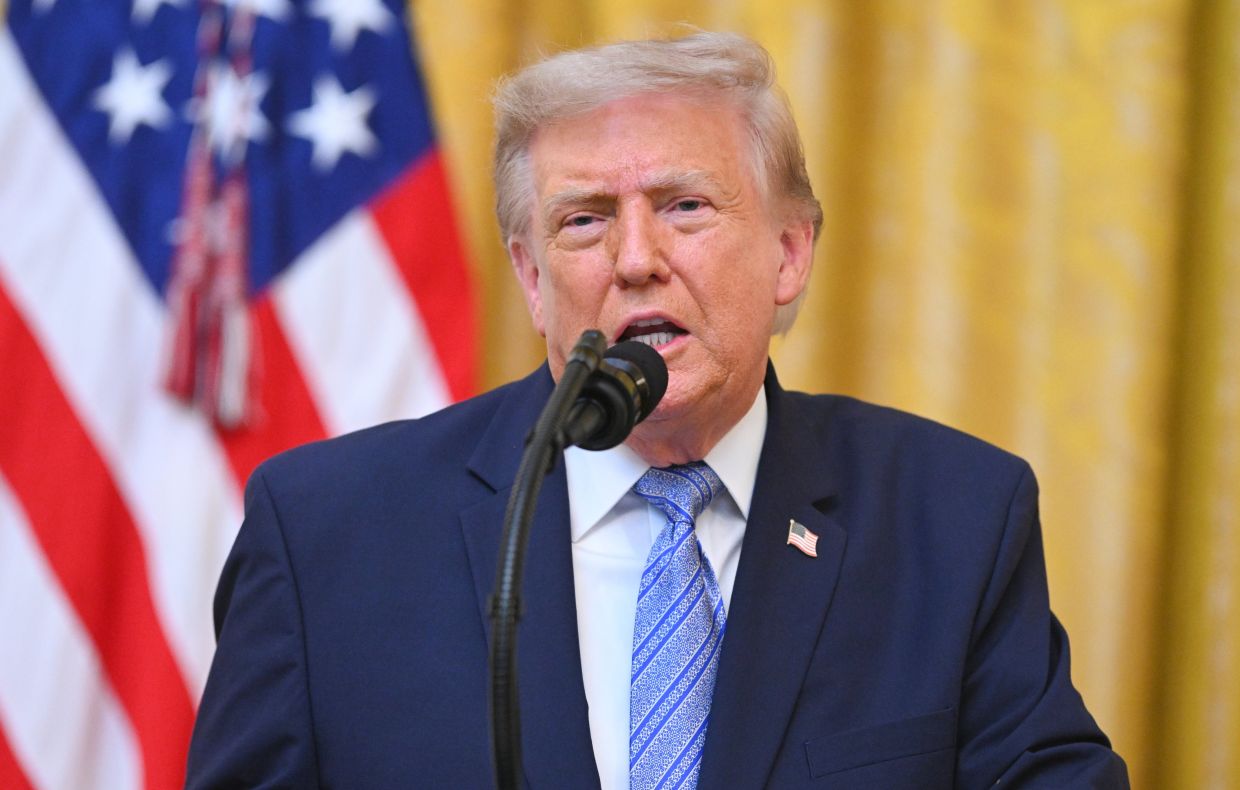
In a forceful White House speech that mixed allegations of foreign election interference with domestic electoral demands, President Trump painted a picture of mounting national security threats centred on China's alleged manipulation of American political processes. The address represents one of the more confrontational speeches of his second term, combining geopolitical warnings with sweeping claims about past and present vulnerabilities to foreign adversaries during election cycles.
At the heart of Trump's remarks was an assertion that China orchestrated what he described as the "largest compromise of election data in history," a claim he framed as necessitating urgent governmental response. Rather than treating this as a technical breach affecting private information, Trump positioned the alleged breach as a fundamental threat to American sovereignty and democratic integrity. The characterisation escalates the already tense relationship between Washington and Beijing, adding electoral security to the list of contentious issues dividing the two powers alongside trade, technology, and military posturing in the Indo-Pacific region.
Beyond the immediate data breach allegation, Trump extended his accusations to include what he characterised as a broader campaign of Chinese influence operations targeting American elites. He claimed that Beijing had worked systematically to persuade American business leaders and journalists to adopt positions antagonistic to his administration. These allegations suggest a coordinated influence campaign rather than isolated incidents, though specifics about mechanisms, targets, or evidence remained undisclosed in the speech.
Central to Trump's argument was the contention that China's state-sponsored election interference represented not merely contemporary activity but a sustained operation aimed specifically at undermining his first term in office. This framing transforms election security from a general concern into a narrative focused on Trump's personal political survival, blending national interest arguments with appeals to his electoral base ahead of the midterm elections.
The domestic dimension of the address centred on election integrity measures that Trump presented as essential safeguards against both foreign interference and domestic fraud. He renewed his push for voter identification requirements and proof of citizenship documentation, policies he linked to the SAVE America Act framework. These proposals address longstanding Republican priorities but remain contentious among Democrats and voting rights advocates who contend they may disenfranchise eligible voters. The timing of these demands, delivered amid an address focused on foreign threats, suggests an effort to bind together domestic and international security narratives.
Trump's characterisation of election vulnerabilities extended beyond the China allegations to encompass broader concerns about fraud and system integrity. He reiterated warnings about weaknesses in electoral processes that he claimed had persisted despite previous acknowledgements of the 2020 election's legitimacy by his own administration officials. This rhetorical return to election security concerns serves multiple purposes: energising his political base, providing rationale for restrictive voting measures, and framing the midterm contests as contests over national security rather than conventional partisan competition.
The address also signalled a hardening of Trump's position on US-China relations more broadly, with language suggesting an end to what he characterised as past American "complacency" toward Chinese actions. This framing positions the speech as a pivot point in American grand strategy, implying that previous administrations had failed to adequately confront Chinese threat activities across multiple domains. Such rhetoric has significant implications for Southeast Asian states like Malaysia, which maintain complex relationships with both Washington and Beijing and could face pressure to choose sides in intensifying great power competition.
A particularly striking element of the speech was Trump's threat to consider revoking broadcast licences held by ABC and NBC television networks. This attack on media outlets followed earlier criticism of their coverage, marking a continuation of Trump's contentious relationship with major news organisations. The suggestion that licencing authority could be weaponised against news organisations critical of the administration raises concerns among press freedom advocates about threats to journalistic independence and First Amendment protections.
The convergence of these themes—foreign election interference, domestic voting changes, and media criticism—reflects Trump's broader narrative about threats to American institutions emanating from both external and internal sources. By linking China's alleged activities with domestic vulnerabilities and media coverage, the speech constructs a comprehensive argument about systemic challenges to American political legitimacy. This approach carries implications for Malaysian observers interested in understanding American political dynamics and international positioning, particularly regarding technology competition and regional security arrangements where both China and the United States are actively engaged.

