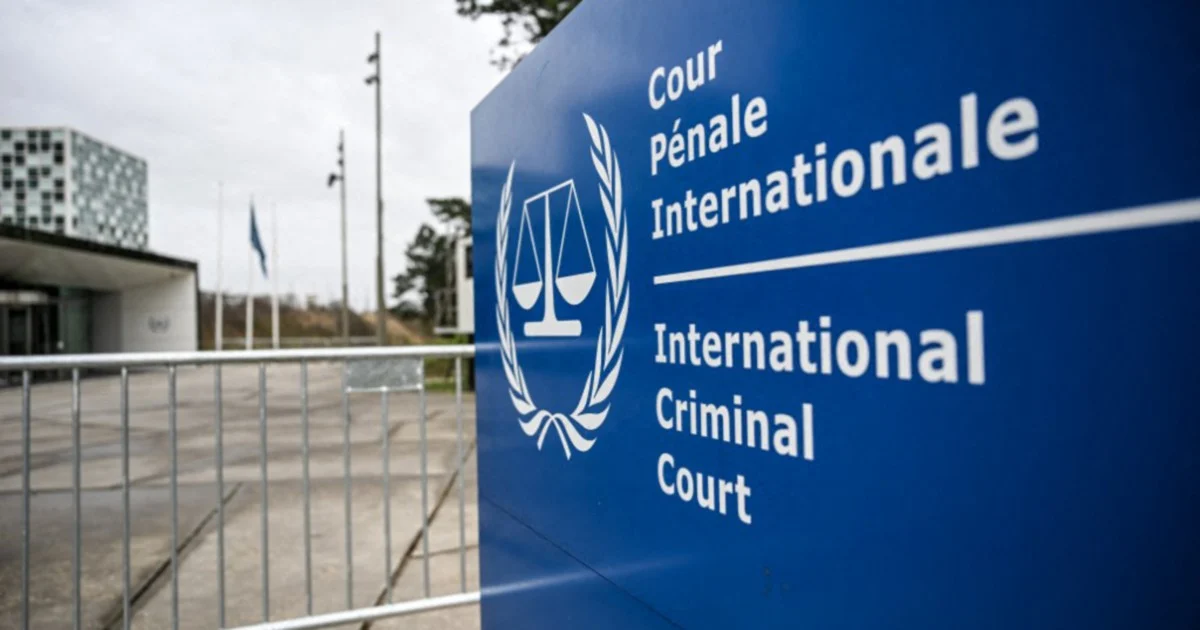
Two United States-based advocacy organisations filed suit against the Trump administration on Wednesday, arguing that the government's imposition of sanctions targeting the International Criminal Court constitute breaches of constitutionally protected freedom of expression. The legal challenge emerged as US officials intensified diplomatic efforts aimed at dismantling the institution's operations and authority.
The lawsuit represents the latest flashpoint in escalating tensions between the Trump administration and the multilateral court, which has drawn controversy from Washington for its independence and reach beyond American jurisdiction. The timing of the legal action coincides with what advocacy groups characterise as an aggressive push by US diplomats to pressure and potentially dismantle the ICC's institutional framework and investigative capacity.
For Malaysia and the Southeast Asian region, this dispute carries significant implications regarding the viability of international accountability mechanisms that developing nations view as essential counterweights to great power dominance. The ICC, established through the Rome Statute, represents one of the few global institutions with theoretical jurisdiction over genocide, crimes against humanity, and war crimes regardless of geopolitical convenience. Malaysia itself is not a member of the court, though several neighbouring nations including Cambodia and the Philippines have grappled with whether ICC membership aligns with their strategic interests and sovereignty concerns.
The advocacy groups contend that the administration's sanctions regimes and diplomatic campaign against the ICC violate the First Amendment by restricting the ability of American citizens and organisations to freely associate with, advocate for, and provide support to international institutions. This constitutional argument introduces an unusual dimension to what has typically been framed as a debate about international law and sovereignty. The groups maintain that such restrictions effectively punish speech and advocacy directed toward a foreign governmental institution, even if that institution maintains only nominal American participation.
The Trump administration's intensified diplomatic pressure on the ICC reflects longstanding American skepticism toward international courts that might exercise jurisdiction over US officials or military personnel. This philosophy has deep roots in successive administrations across both parties, though the current intensity of the effort represents a marked escalation. Prior administrations had imposed targeted sanctions and threatened consequences, but the current diplomatic campaign suggests a more comprehensive effort to fundamentally challenge the court's legitimacy and operational capacity.
The constitutional challenge raises thorny questions about the intersection of foreign policy and domestic civil liberties. Courts have traditionally afforded wide latitude to the executive branch in matters of international relations and diplomacy, often deferring to presidential judgments about national security and strategic interests. However, advocacy groups argue that when governmental action restricts Americans' fundamental right to associate with and advocate for international institutions, heightened judicial scrutiny becomes appropriate even in the foreign policy domain.
From a regional perspective, this legal battle reflects broader uncertainties about the durability of rules-based international institutions in an era of great power contestation. Southeast Asian nations, many of which lack the military and economic weight to shape international outcomes unilaterally, have invested significantly in multilateral frameworks that theoretically constrain the behaviour of more powerful states. The ICC, while imperfect and subject to legitimate criticism regarding selective enforcement, remains a symbolic commitment to the principle that no nation stands above international law.
The sanctions imposed by the Trump administration target ICC officials and threaten serious economic consequences for banks and entities that facilitate the court's operations. These measures go beyond rhetorical criticism to impose tangible costs on supporting or participating in the institution. Advocacy groups assert that such coercive measures, when deployed against a foreign institution protected by international agreements, constitute a form of governmental compulsion that chills the free speech rights of Americans who wish to engage with the court.
The lawsuit appears designed to test the outer boundaries of executive power in foreign affairs by invoking domestic constitutional protections. If successful, it could establish precedent limiting the government's ability to impose sanctions specifically intended to undermine international institutions on First Amendment grounds. Conversely, if courts uphold the administration's actions, the decision would substantially affirm executive authority to conduct anti-institution campaigns even when such efforts implicate free speech considerations.
For observers in Southeast Asia, the case illustrates how American domestic political debates increasingly affect the stability and legitimacy of global institutions upon which smaller nations depend for protection and voice. Malaysia's policymakers have expressed concerns about selective application of international law and great power interference in multilateral institutions, concerns that this dispute essentially validates. The question of whether international accountability mechanisms can survive great power hostility remains unresolved.
The ICC itself represents a voluntary system built upon membership and cooperation, lacking independent enforcement capacity. Its effectiveness depends entirely upon the willingness of member states to cooperate with investigations, arrest warrants, and prosecutions. American pressure on the court, whether diplomatic or legal, reflects a fundamental calculation that the institution's independence conflicts with American strategic preferences and constitutional traditions of sovereignty.
The advocacy groups bringing suit represent civil liberties and international justice constituencies that view the ICC as a necessary institutional check on impunity. They argue that the Trump administration's sanctions campaign effectively weaponises foreign policy against American citizens' rights to advocate for positions the government disfavours. This framing transforms what might appear as routine diplomatic pressure into a constitutional matter affecting all Americans' ability to participate in discourse regarding international institutions.
As the lawsuit proceeds through federal courts, it will likely illuminate how American jurisprudence balances executive prerogatives in foreign relations against foundational constitutional protections. The outcome could affect not only the ICC's immediate prospects but also broader questions about American engagement with international institutions more generally, with consequences extending well beyond Washington to regional players seeking institutional frameworks to mediate great power competition.

