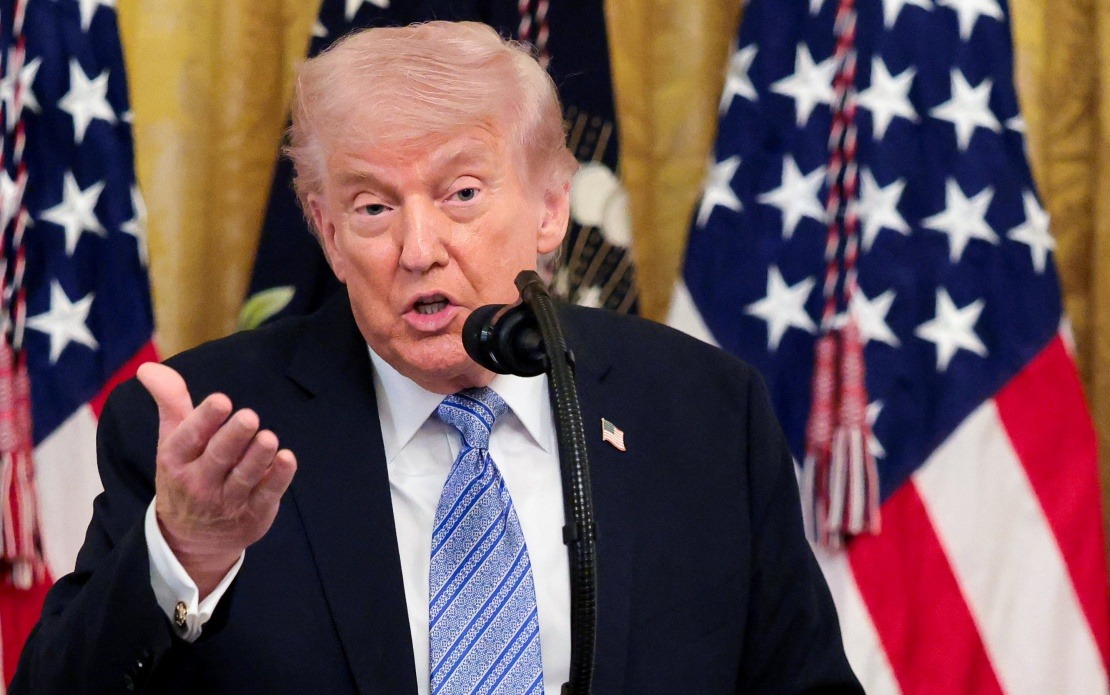
US President Donald Trump announced on Monday that he had conducted a productive initial dialogue with newly appointed British Prime Minister Andy Burnham, signalling early goodwill between Washington and London under the latest British administration. Speaking through his Truth Social platform, Trump characterised the exchange as substantive and forward-looking, laying groundwork for deeper engagement between the two nations in the coming weeks. The timing of this early communication reflects the traditional priority placed by American presidents on maintaining close transatlantic relations, particularly during transitions in British political leadership.
The conversation between the two leaders covered substantial strategic and economic terrain, demonstrating the breadth of shared interests binding the United States and United Kingdom. Trump specifically highlighted discussions around North Sea oil resources, an issue of considerable importance to British energy security and economic development in the North Atlantic region. The inclusion of this topic underscores ongoing American interest in European energy independence and the role Britain plays in global energy markets, particularly as Western nations navigate complex geopolitical pressures and supply chain considerations.
Trade relations featured prominently in their discussion, reflecting the centrality of commercial ties to the bilateral relationship. The Anglo-American trade relationship carries significant weight for both economies, and any new British government faces immediate pressure to define its commercial strategy following policy transitions. For Malaysia and other Southeast Asian nations watching from afar, the contours of US-UK trade arrangements matter considerably, as they can influence broader trading patterns, investment flows, and regional economic dynamics in the Indo-Pacific where both powers maintain substantial interests.
Military and defence cooperation remained a key element of their exchange, consistent with the deep institutional ties binding American and British armed forces. These enduring security partnerships extend beyond bilateral concerns to encompass NATO obligations, intelligence-sharing arrangements, and broader Western security interests. The strength of this military alliance continues to shape global geopolitical alignments and remains particularly relevant to Southeast Asian nations seeking to navigate great power competition while maintaining strategic flexibility in their own defence partnerships.
Trump's reference to demining operations in the Hormuz Strait signals shared concern about maritime security in one of the world's most critical waterways. The Strait remains vital to global energy supplies and international commerce, with roughly one-third of seaborne traded oil passing through these waters annually. Collaborative efforts to clear maritime hazards and maintain freedom of navigation directly impact economic stability across Asia and the wider world, making this dimension of the conversation significant for trading nations like Malaysia that depend heavily on unobstructed global shipping routes.
The president's characterisation of the call as both interesting and successful suggests he views the new British administration as a promising partner for the months ahead. By publicly committing to a near-term face-to-face meeting, Trump signalled the importance Washington places on the relationship and the priority it accords to engaging with London's new leadership. Such public statements carry diplomatic weight, establishing expectations for cooperation and demonstrating resolve to maintain historically close Anglo-American ties despite any political transitions either country might undergo.
For the broader international community, including Southeast Asian observers, this exchange represents a stabilising signal about the continuity of Western partnerships. Despite periodic tensions or shifts in emphasis between Washington and London, both nations have consistently demonstrated commitment to their fundamental alliance. The substance of their discussion—ranging from energy resources to regional security to military coordination—reflects the multifaceted nature of modern great power relations and the interconnected challenges facing Western democracies in an increasingly complex geopolitical environment.
The conversation also implicitly touches upon America's broader regional strategies, particularly regarding the Middle East where control and freedom of navigation through the Hormuz Strait remain paramount. Any meaningful engagement between Washington and London on this issue signals coordinated approaches to one of the most volatile and economically consequential regions on earth. For Southeast Asian nations, such Western coordination on Middle Eastern affairs can have indirect but significant implications for regional stability, oil prices, and security arrangements.
Burnham's appointment as British Prime Minister represents a significant political transition in one of America's closest allies, and Trump's immediate outreach demonstrates pragmatic diplomacy aimed at ensuring smooth working relationships regardless of domestic political changes in either capital. This approach reflects recognition that consistent engagement and personal relationship-building remain valuable diplomatic tools, even in an era characterised by rapid information flows and institutional communication channels. The president's public acknowledgment of the conversation serves multiple purposes: it reassures the British public of continued American commitment, signals to other nations the stability of the transatlantic relationship, and establishes a foundation for more substantive negotiations on trade, defence, and regional security matters to follow.

