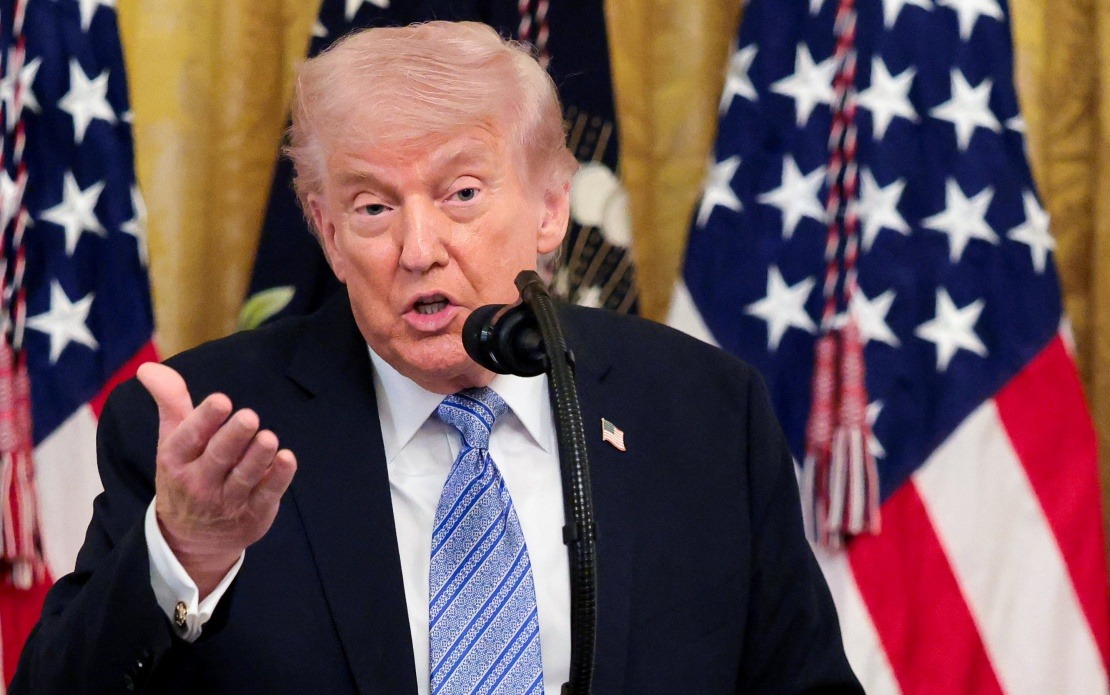
The Trump administration has abruptly terminated diplomatic channels with Iran, signalling a dramatic reversal in approach toward the Islamic Republic just weeks after preliminary peace discussions showed signs of progress. Speaking through his Truth Social platform on Tuesday, US President Donald Trump declared an unequivocal end to all negotiations, stating flatly that no talks or conversations with Iran were currently underway or scheduled for the foreseeable future. This announcement represents a stark departure from the diplomatic momentum that had characterised US-Iran relations in recent months, raising questions about the stability of the already fragile regional security environment.
The decision to suspend negotiations came as a directive from Trump to his top negotiating team, which includes Vice President JD Vance and presidential envoys Steve Witkoff and Jared Kushner, according to reports citing US officials. The abruptness of the instruction suggests internal deliberation within the White House regarding the trajectory of engagement with Tehran. Notably, Kushner had been in Israel on Monday meeting with Prime Minister Benjamin Netanyahu to discuss pressing regional matters, including the humanitarian crisis in the Gaza Strip, indicating that discussions about Iran remained central to broader Middle East policy considerations even as the formal diplomatic door was being closed.
What makes this pivot particularly striking is the contrast with statements made just days earlier. Following his meetings in the region, Kushner had indicated to Fox News that communications between Washington and Tehran had become increasingly substantive, characterising the dialogue as more robust than at any previous point. This characterisation suggested that despite surface tensions and occasional military posturing, serious diplomatic work was progressing behind closed doors. The reversal within such a compressed timeframe underscores the unpredictability that has long characterised Trump administration foreign policy, creating uncertainty for regional actors attempting to formulate long-term strategic responses.
According to reports from CNN citing White House sources, the administration's tactical approach toward Iran is undergoing fundamental reassessment. Rather than pursuing immediate confrontation through phrases like hitting Iran as soon as possible, officials are now discussing a prolonged strategy of economic and military pressure designed to constrain Iranian capabilities over an extended period. This semantic shift from immediate action to sustained pressure reflects a more calculated approach, though one that maintains the administration's hard-line posture. The strategy appears designed to maximise leverage while avoiding the escalation risks associated with sudden, large-scale military action.
The maintenance of the naval blockade around the Strait of Hormuz represents a concrete expression of this sustained pressure strategy. Trump emphasised that this blockade remains fully operational, with all maritime mines removed or neutralised to ensure the critical waterway remains technically open for navigation. This distinction is significant: the maintenance of freedom of navigation rhetoric while simultaneously restricting Iranian access through naval presence allows the administration to claim adherence to international maritime law while exerting maximum economic pressure on the Islamic Republic. For Malaysia and other Southeast Asian economies dependent on Middle Eastern energy resources, any disruption to Hormuz shipping represents a direct threat to energy security and supply chain stability.
The current standoff follows a period of escalating military tension that culminated in sustained exchanges of attacks between the two nations last month. What initially appeared to be the prelude to a major regional conflict was arrested by Trump's decision to halt the bombardment, a move that suggested openness to diplomatic resolution. That measured approach now appears to have given way to a confrontational posture once again, suggesting that hardliners within the administration may have gained the upper hand in policy deliberations. The cyclical nature of US-Iran tensions under Trump has implications extending well beyond bilateral relations, affecting energy markets, shipping security, and the broader stability of a region already destabilised by conflicts in Gaza and Yemen.
Historically, previous agreements between the US and Iran have proven fragile under changing administrations or shifting political winds. The collapse last month of arrangements that had been formalized through a ceasefire agreement in April and a memorandum of understanding signed in June demonstrates the precarious nature of any diplomatic arrangement between these deeply antagonistic powers. The rapid deterioration from those formal agreements to the current suspension of talks suggests that fundamental differences regarding the scope and nature of any settlement remain unresolved. Both sides appear to harbour incompatible expectations about what a lasting arrangement would entail, particularly regarding sanctions relief, nuclear activities, and regional proxy conflicts.
For Malaysia and the broader ASEAN region, these developments carry tangible consequences. The Strait of Hormuz remains one of the world's most critical chokepoints for energy transit, with a substantial portion of Asian energy imports flowing through its waters. Any escalation of US-Iran tensions threatens to disrupt this crucial corridor, potentially driving up energy costs across the region and complicating economic recovery efforts. Malaysian policymakers and businesses dependent on energy imports and supply chain stability should monitor developments closely, as even rhetorical escalation can create market volatility and insurance cost increases for shipping through contested waters.
The Trump administration's simultaneous emphasis on maintaining the blockade whilst claiming the Strait of Hormuz remains open presents a technical contradiction that deserves scrutiny. International maritime law and accepted interpretations of freedom of navigation suggest that unilateral naval interdiction of shipping routes constitutes blockade regardless of the semantic claims made about openness. This distinction carries legal and political implications, particularly for countries like Malaysia that depend on navigational freedoms and predictable international maritime commerce. The administration's framing suggests an attempt to maintain pressure on Iran without triggering the international legal or political responses that accompany formal declarations of blockade.
The pivot away from negotiations also reflects broader questions about the Trump administration's strategic coherence. The involvement of multiple high-level envoys in diplomatic efforts, combined with what appear to be shifting instructions regarding engagement parameters, raises questions about the clarity and consistency of US strategic objectives. Whether this represents a settled policy decision or a temporary tactical adjustment remains unclear, creating uncertainty for Iran's leadership as they attempt to calculate whether maintaining current positions or seeking alternative diplomatic avenues serves their interests better. This ambiguity itself represents a form of pressure, keeping Iranian decision-makers off-balance.
Moving forward, the sustainability of this confrontational posture depends on multiple factors beyond Trump's current preferences. Congressional attitudes toward Iran policy, regional allies' tolerance for continued tensions, and the economic costs of maintaining naval blockades all constitute constraints on the administration's freedom of action. The precedent established by previous cycles of escalation and de-escalation suggests that this current phase may eventually give way to renewed diplomatic engagement, though the timing and conditions remain unpredictable. For Malaysian observers, the lesson is clear: the instability characterising US-Iran relations creates persistent vulnerability for regions dependent on Middle Eastern energy and free passage through critical maritime zones.

