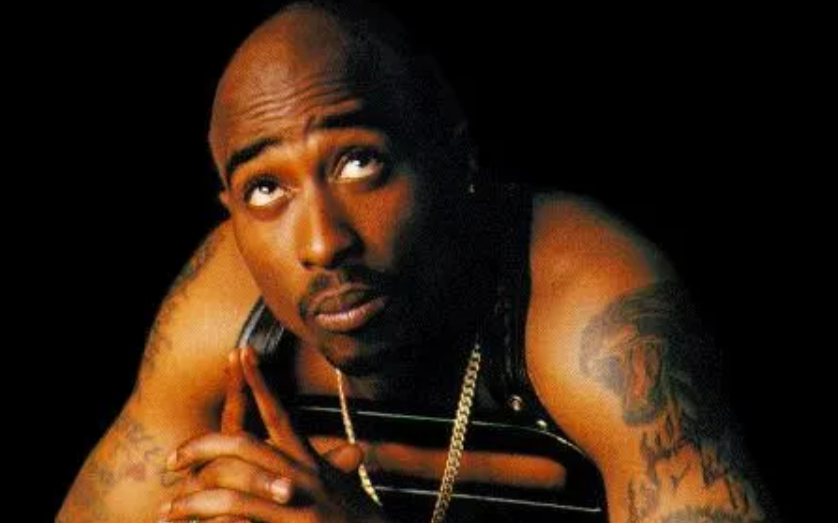
Thirty years after hip-hop lost one of its most influential voices, a Los Angeles courtroom this week began examining claims that could finally resolve one of America's most intriguing criminal mysteries. Duane "Keffe D" Davis, a 63-year-old former gang leader, appeared for trial proceedings beginning with jury selection over accusations that he orchestrated the September 1996 drive-by shooting of Tupac Shakur in Las Vegas. The case has haunted the music industry and captivated true crime enthusiasts for three decades, spawning documentaries, books, and endless speculation about the identity of the person who pulled the trigger on that fateful night.
The trial is expected to consume approximately four weeks of court time, though legal experts emphasize that the proceedings may never definitively answer who actually fired the fatal shots. Instead, prosecutors will attempt to build a circumstantial case that Davis, once a prominent figure in the South Side Compton Crips gang, orchestrated Shakur's death and supplied the weapon used in the killing. The rapper, performing under the stage name 2Pac, was only 25 years old when he died, having established himself as a towering talent whose music addressed social inequality and gang culture with unflinching honesty.
The context surrounding Shakur's death remains inseparable from the bitter East Coast-West Coast hip-hop rivalry that dominated the genre during the mid-1990s. Death Row Records, the West Coast powerhouse founded by Marion "Suge" Knight, had positioned itself as Shakur's label and champion, whilst Bad Boy Records, the New York-based operation built by Sean "Diddy" Combs, represented the opposing camp. The murder of The Notorious B.I.G. the following year cemented the period as hip-hop's darkest chapter, leaving multiple unsolved killings and a generation of fans seeking answers about the underlying causes.
The immediate trigger for the violence that evening involved an altercation at the MGM Grand casino following a Mike Tyson boxing match. According to prosecution narratives, after witnessing Knight and Shakur assault Orlando "Baby Lane" Anderson—Davis's own nephew and a Crips member—during an alleged retaliation over a Death Row Records employee, Davis carried a determination for vengeance. The physical confrontation represented an escalation in an ongoing conflict between the rival organisations, with Death Row's protection coming from Mob Piru, a Los Angeles gang affiliated with the broader Bloods network. This organisational context proves crucial for understanding how street-level conflicts became intertwined with music industry divisions.
Later that evening, a white Cadillac containing Davis, Anderson, and other passengers drew alongside Shakur's vehicle on a Las Vegas street. Gunfire erupted from the Cadillac, leaving the rap icon fatally wounded in what became the nation's highest-profile unsolved murder within the entertainment world. The investigation languished for years as law enforcement struggled with witness reluctance, insufficient physical evidence, and the complexities of prosecuting gang-related violence across state lines. Cold case units eventually shelved the matter, resigned to the likelihood that it would remain forever unresolved.
A dramatic shift arrived with Davis's 2019 publication of his memoirs, a decision that prosecutors argue amounted to a confession disguised as autobiography. In those pages, Davis detailed his presence in the front seat of the Cadillac and described handing a pistol backward to occupants behind him, though notably stopping short of naming who actually discharged the weapon. This recounting aligned with statements Davis had previously offered to journalists, but the published admission provided prosecutors with documented evidence they could present to jurors. The fact that every other person who occupied the Cadillac that night has since died means Davis stands as the only surviving witness who can potentially explain what occurred, making his testimony both crucial and problematic.
Davis's subsequent arrest in September 2023 followed sustained investigation efforts to revive the cold case. However, his courtroom posture has shifted dramatically from his memoir's admissions. Now entering pleas of not guilty, Davis has completely recanted his previous statements, claiming he was in Los Angeles on the night of the murder rather than Las Vegas, and asserting that his co-author fabricated or exaggerated portions of the memoir to increase sales. In a March 2025 interview conducted from prison with ABC News, he declared his complete innocence, suggesting that prosecutors lack the documentary evidence necessary to place him at the crime scene. This contradictory positioning—between published admissions and current denials—creates the trial's central tension.
Defense lawyers have mounted aggressive pre-trial challenges aimed at excluding both the memoir and Davis's 2008 police interview where he apparently acknowledged witnessing the killing. These legal maneuvers represent attempts to strip prosecutors of their strongest evidence, though judges have thus far declined to suppress the materials entirely. The memoir's admissibility particularly matters, since it represents Davis's own words documented in print with commercial distribution, making it difficult for legal arguments about reliability to gain traction. The contrast between Davis's casual admission of involvement to reporters and book collaborators, versus his formal denials in court, speaks to calculated strategy rather than simple forgetfulness or misunderstanding.
The trial's significance extends beyond legal proceedings into questions about institutional accountability within the hip-hop industry. In May 2025, Maurice Shakur, the rapper's stepbrother, initiated civil litigation seeking damages for wrongful death, arguing that multiple individuals involved in the murder have evaded responsibility for three decades. His complaint references recent documentary materials that purportedly identify additional persons of interest beyond Davis, suggesting that even a conviction might leave significant accountability gaps. This parallel legal action acknowledges that criminal courts may never deliver complete justice, pushing families toward civil remedies when criminal processes prove inadequate.
For Malaysian and Southeast Asian readers, the Tupac case illustrates how organised crime, commercial rivalries, and institutional breakdowns can converge to create decades-long mysteries within seemingly advanced legal systems. The case also demonstrates hip-hop's cultural penetration across continents, with Shakur's music remaining influential in Asian markets despite his death occurring before many younger listeners were born. The trial's outcome will resonate through popular culture regardless of verdict, as it reopens fundamental questions about whether cold cases can ever receive satisfactory resolution when key evidence arrives decades late and surviving witnesses possess incentives to mislead.
As jury selection progresses through the week, the trial promises to examine not merely who killed Tupac Shakur, but the conditions that permitted gang violence to infiltrate the highest echelons of the entertainment industry. Whether Davis's conviction brings closure to Shakur's family remains uncertain, but the trial represents one final opportunity for the justice system to address a wound that the music industry and hip-hop community have carried for three generations.

