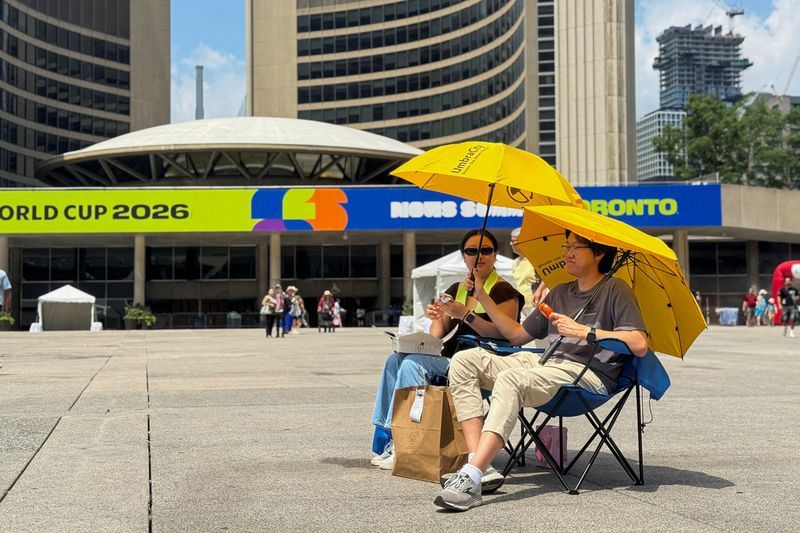
Toronto is preparing for what could be a sweltering World Cup encounter on Thursday as Portugal takes on Croatia in the round of 32, with health officials issuing urgent warnings about dangerous heat conditions that are expected to grip the Canadian city. The combination of high temperatures and humidity is creating hazardous circumstances for the tens of thousands of supporters expected to flock to viewing parties and fan zones throughout the metropolis, prompting city authorities to launch a comprehensive public health advisory aimed at preventing heat-related illnesses.
According to Michelle Murti, Toronto's medical officer of health, the perceived temperature could reach a dangerous 40 degrees Celsius due to the humidity factor, substantially higher than the actual ambient temperature forecast by Environment Canada. This distinction between actual and felt temperature is critical, as it means spectators and residents will experience even more severe heat stress than basic temperature readings might suggest. Murti emphasised the importance of proactive hydration strategies, advising people not to wait until thirst signals emerge before consuming water, but rather to drink consistently throughout the day to maintain adequate fluid levels.
The city's health guidance extends beyond simple water consumption, acknowledging the particular risks posed by alcohol in high-temperature environments. Alcoholic beverages accelerate dehydration by acting as a diuretic, increasing the body's fluid loss precisely when heat stress already threatens overall hydration levels. This warning carries special relevance for World Cup fans who typically gather in outdoor settings where alcoholic refreshments are readily available, creating a dangerous combination of factors that health officials sought to address head-on.
Environment Canada's official forecast warns that temperatures will climb above 35 degrees Celsius, with the added threat of thunderstorms developing during the match period. These weather disturbances could prove significant obstacles to the city's carefully orchestrated viewing experience, with organisers prepared to cancel public fan zones and other outdoor gatherings should lightning pose an immediate safety threat. The dual threat of extreme heat and potential severe weather adds complexity to the logistical challenges of hosting what amounts to a major public gathering during meteorologically challenging conditions.
Toronto Stadium, the smallest venue in this year's World Cup tournament, is hosting its final match of the competition on Thursday, making this Portugal-Croatia encounter a particularly notable occasion for the host city. The stadium's status as the tournament's smallest facility underscores Toronto's status as a secondary host venue, yet the city has enthusiastically embraced its World Cup responsibilities by establishing multiple watch parties and public fan zones scattered throughout the metropolitan area. These grassroots viewing spaces allow residents without stadium access to participate in the global football spectacle while remaining within their communities.
Canada has endured an exceptionally challenging summer weather-wise, with different regions grappling with distinct meteorological crises ranging from severe flooding in western provinces to the extreme heat bearing down on eastern population centres. The approach of Wednesday's Canada Day holiday has amplified concerns about public safety, as Canadians are expected to gather in large numbers for traditional celebrations precisely when weather conditions are at their most hazardous. Toronto's experience represents merely one point along a broader national pattern of weather-related disruptions affecting public life across the country's breadth.
In preparation for the expected crowds, Toronto installed misting stations at Nathan Phillips Square, the city's iconic public gathering space, allowing residents and visitors to provide temporary physiological relief from the oppressive heat. On Tuesday, as spectators congregated in the square to cool off, the human toll of the weather became apparent through individual testimonies. Megan Rennie, a Toronto resident who came to watch the match, articulated the reality facing supporters: the intense heat made outdoor viewing untenable for extended periods, forcing fans to contemplate leaving early despite the significant investment of effort and anticipation required to claim a spot in the public viewing area.
Visitors from beyond Canada's borders faced particular challenges in acclimating to the extreme conditions. Laura Albarez, travelling from Colombia, initially sought refuge in her hotel rather than endure prolonged exposure to the outdoor heat, a choice that effectively prevented her from fully participating in the World Cup festivities despite her evident enthusiasm for the tournament. Her experience illustrates how extreme weather can undermine even well-intentioned public celebration efforts, particularly for international visitors unaccustomed to such severe Canadian summer conditions.
The availability of drinking water infrastructure, while essential, represents only a partial solution to the broader heat crisis confronting the city. Water fountains and dispensing stations scattered throughout public spaces provide access to hydration, yet the psychological and physiological burden of remaining outdoors in such conditions deters many from spending extended hours in fan zones. This tension between the desire to participate in the World Cup experience and the physiological impossibility of doing so comfortably highlights how extreme weather can fundamentally alter public engagement with major sporting events.
Toronto's approach to managing the Portugal-Croatia match under hazardous weather conditions reflects broader challenges facing cities worldwide as climate variability increases. The coordination between municipal health authorities, weather services, stadium operators, and public safety officials demonstrates the complexity of hosting major international events when meteorological conditions present genuine risks to public welfare. For Southeast Asian readers accustomed to tropical heat, Toronto's response to relatively high temperatures might appear cautious, yet the combination of heat and humidity that Canadian infrastructure and populations are unaccustomed to managing presents legitimate public health concerns that municipal authorities cannot dismiss.

