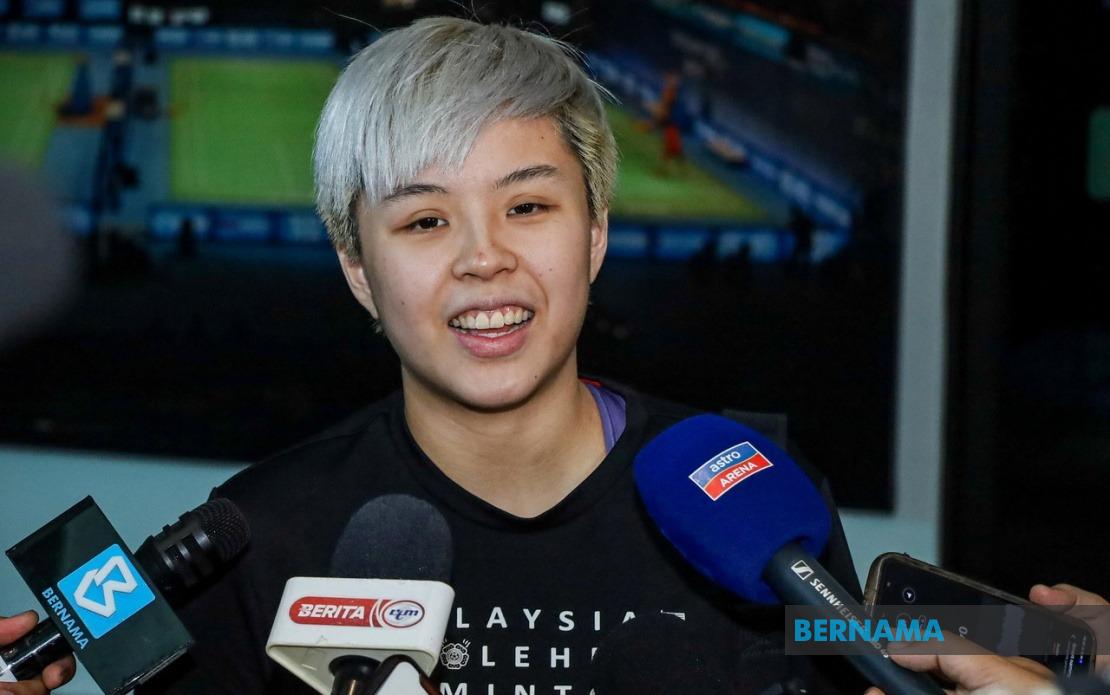
National mixed doubles player Toh Ee Wei has successfully undergone surgery to repair her damaged anterior cruciate ligament at a Melbourne facility, marking a critical step in her recovery from an injury that sidelined her from international competition. The procedure, completed on June 30, addresses damage sustained during the Singapore Open 2026 quarter-finals competition held in May, the Badminton Association Malaysia (BAM) confirmed on July 1.
The injury represents a significant setback for one of Malaysia's promising mixed doubles pairing contenders at a time when the nation's badminton programme is pursuing competitive gains across multiple disciplines. ACL tears are among the most challenging injuries athletes face, typically requiring extended rehabilitation periods before return to elite-level performance. The severity of such injuries means that recovery timelines often stretch beyond twelve months, placing considerable demands on both the athlete's physical conditioning and mental resilience.
BAM has committed to providing comprehensive medical and rehabilitative resources throughout Ee Wei's recovery process, reflecting the association's investment in supporting injured national players during their comeback efforts. This commitment encompasses access to specialist physiotherapy, strength and conditioning programmes, and monitoring by medical professionals to ensure her rehabilitation meets international standards. The association's statement underscores the institutional responsibility it bears toward athletes who sustain injuries while representing Malaysia at sanctioned international tournaments.
Ee Wei herself expressed gratitude for the overwhelming support she has received from the badminton community, teammates, and well-wishers since her injury occurred. The emotional dimension of injury recovery cannot be understated in elite sports; psychological support and encouragement from peers and the broader public often prove as crucial as physical rehabilitation in maintaining athlete morale during extended absences from competition. Her acknowledgment of this support signals the communal nature of Malaysian badminton, where athletes draw strength from institutional and grassroots backing.
The player's focus now shifts entirely toward structured rehabilitation, with a commitment to maximising her physical recovery through disciplined engagement with her recovery programme. ACL rehabilitation typically progresses through carefully sequenced phases, beginning with inflammation management and gentle mobility work, advancing through strength development, and culminating in sport-specific movement patterns and return-to-play protocols. The duration in Melbourne suggests she may be accessing specialised sports medicine facilities with expertise in managing elite athletes returning from significant injury.
From a broader Malaysian sports perspective, Ee Wei's injury and recovery exemplify both the physical demands placed on badminton players competing at the highest international level and the institutional commitment required to support athlete welfare. The investment BAM is making in her recovery reflects wider recognition within Malaysian sports administration that proper injury management and rehabilitation infrastructure strengthen overall programme resilience and athlete longevity. This approach contrasts with inadequate support systems that might pressure injured athletes to return prematurely, risking chronic complications.
The Singapore Open incident occurred during a quarter-final match, suggesting Ee Wei was performing at competitive depth within the tournament structure. The particular timing of the injury—in a knockout stage—heightens its competitive impact, as she was demonstrating the form necessary to advance further in the event. This context adds urgency to her rehabilitation, as both she and BAM will be motivated to restore her to peak competitive condition to resume her trajectory within the sport.
Looking forward, Ee Wei's recovery timeline will significantly influence Malaysia's mixed doubles planning for upcoming international circuits, including regional championships and world tour events. Her absence from competition during rehabilitation creates gaps in both the depth of Malaysia's pairing options and potentially in ranking points accumulation that affects seeding and tournament draw positions. Coaches and administrators will need to manage these disruptions while maintaining the pipeline of replacement partnerships and ensuring squad continuity.
The medical sophistication of her Melbourne procedure—accessing cutting-edge surgical expertise outside Malaysia—reflects how elite Malaysian athletes now access global sports medicine networks rather than relying solely on domestic facilities. This internationalisation of athlete care, while necessary for optimal outcomes, also raises questions about the development of comparable expertise and infrastructure within Malaysia's own sports medicine establishment. The experience gained from supporting Ee Wei's recovery may generate insights applicable to broader athlete welfare systems domestically.
Ee Wei's determination to return stronger, as expressed in her statement, encapsulates the psychological approach many elite athletes adopt when facing significant setbacks. Rather than viewing ACL reconstruction as a career-threatening endpoint, modern sports psychology encourages athletes to frame rehabilitation as an opportunity for comprehensive physical development. Her commitment to the recovery process, if translated into disciplined execution, positions her potentially for a competitive return within the upcoming calendar year, pending medical clearance and meeting sport-specific return-to-play benchmarks.

