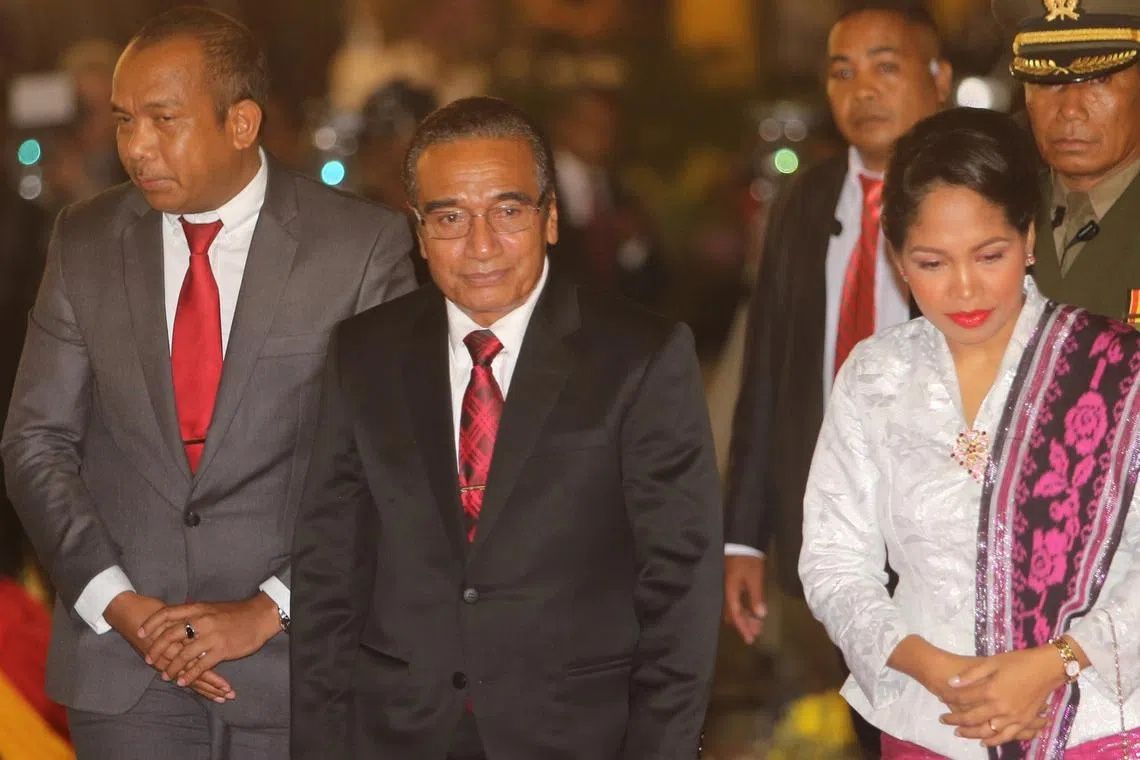
Timor-Leste's government has announced a week of mourning following the death of former president Francisco 'Lu-Olo' Guterres, who passed away over the weekend at a Malaysian medical facility at the age of 71. The declaration, issued on June 22, reflects the profound impact the veteran political figure had on the Southeast Asian nation's trajectory toward independence and democratic governance.
Guterres held the presidency from 2017 to 2022, representing the culmination of a lifetime dedicated to Timor-Leste's liberation struggle. His political career encompassed the entire arc of the country's journey from colonial rule through armed resistance to eventual sovereignty. The former leader emerged from humble circumstances to become a towering figure in the nation's modern history, embodying the sacrifices of generations who fought for self-determination.
As a formal mark of respect, the Dili government has instructed all public buildings, diplomatic missions abroad, and consular offices to lower their flags to half-mast during the mourning period. This ceremonial gesture underscores the official recognition of Guterres's status as a founding figure in the nation's independence narrative and subsequent institutional development.
Guterres's body is scheduled to return to the capital on Tuesday, according to his brother Domingos Guterres, who briefed journalists on preliminary arrangements. The family is still coordinating details surrounding the funeral proceedings, indicating that a full state farewell ceremony may be forthcoming as preparations advance. The timing and scale of commemorative events will likely attract regional dignitaries given his stature in Southeast Asian politics.
Current President Jose Ramos-Horta, who defeated Guterres in a competitive 2022 presidential runoff, issued a statement characterising his predecessor as a "great patriot" whose contributions to the nation proved invaluable across multiple decades. Despite their electoral competition, Ramos-Horta's remarks reveal the mutual respect that transcended political rivalry, a notable feature of Timorese political culture where shared sacrifice in the independence struggle creates bonds across factional lines.
The government's official statement extended condolences to Guterres's immediate family, the Revolutionary Front for an Independent East Timor (Fretilin), the political party he previously led, and the broader Timorese population. This inclusive acknowledgment recognises the multiple constituencies affected by his passing and the intergenerational impact of his leadership across different segments of society.
Guterres's family has requested privacy during their period of grief, appealing to the public and media to respect their need for solitude as they process their loss. In their statement, relatives emphasised the importance of honouring his memory, celebrating his political legacy, and recognising his unwavering commitment to advancing the interests of the Timorese people throughout his decades of active participation in national affairs.
The former president's origins in modest circumstances shaped his worldview and political priorities throughout his career. He came of age during Indonesia's devastating 24-year occupation of East Timor, which lasted from 1975 until 2002 and resulted in significant loss of life and widespread suffering across the archipelago. His participation in armed resistance movements during this period forged his reputation as a committed nationalist and guerrilla tactician.
Guterres achieved significant electoral success when he contested the 2017 presidential election, securing over 57 percent of the popular vote to become the nation's sixth president. This strong mandate reflected public confidence in his ability to guide the young nation through continued development challenges and institutional consolidation. However, his bid for a second term in 2022 proved unsuccessful when he faced off against Nobel Peace Prize laureate Ramos-Horta in a runoff ballot.
The 2022 presidential contest illustrated the competitive dynamics within Timorese politics, where multiple liberation veterans and respected figures continue to command significant support. Guterres's defeat, while ending his presidency, did not diminish his standing as a historical figure whose contributions extended far beyond his five years in office. His influence persisted through Fretilin's continued parliamentary representation and broader ideological influence on national discourse.
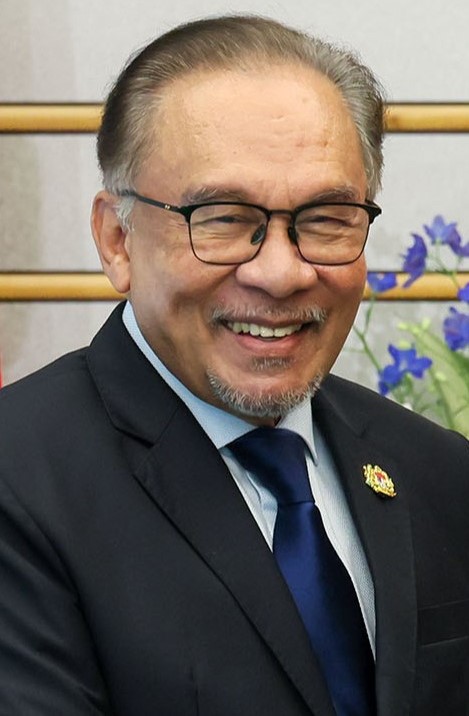
Malaysian Prime Minister Datuk Seri Anwar Ibrahim conveyed official condolences, describing himself as "saddened" by the passing of the East Timorese leader. Anwar's response highlights the regional dimensions of Guterres's death, as he succumbed in a Malaysian hospital, illustrating the cross-border healthcare connections that link Southeast Asian nations. The Malaysian premier acknowledged the significance of Guterres's life and promised that his memory would be cherished with respect and affection within Malaysia, reflecting the regional recognition of his historical importance.
Guterres's death marks the loss of one of the last surviving figures who personally witnessed and participated in Timor-Leste's struggle for independence. As the nation continues developing its institutions and regional relationships, his passing represents an important moment of reflection on the independence generation's contributions and the transition of historical memory to younger leadership cohorts. The week of mourning provides space for the nation to collectively acknowledge this loss while reaffirming commitment to the values he embodied throughout his political life.