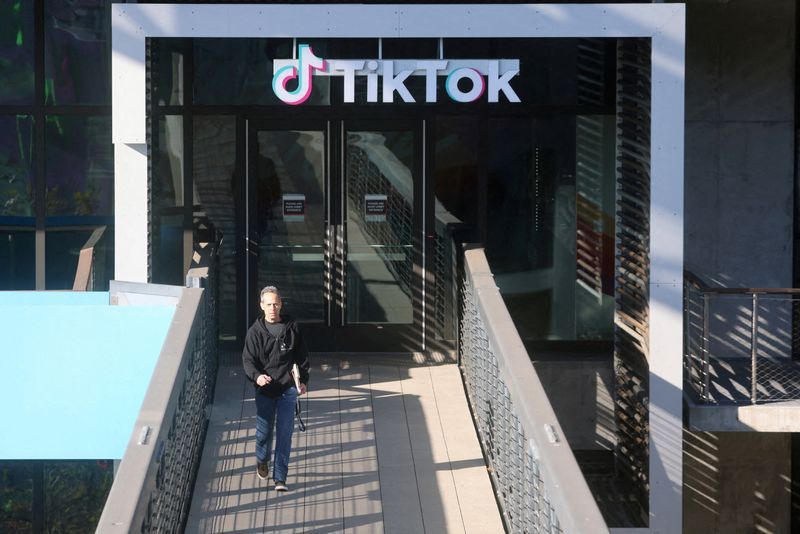
TikTok has moved to resolve a legal dispute with a 15-year-old Floridian who accused the short-video platform of damaging his mental health through deliberately addictive features, according to Morgan & Morgan, the law firm representing the young plaintiff identified as R.K.C. The settlement agreement was reached in principle, though the specific terms remain under negotiation, the firm's representatives disclosed on Tuesday. The ByteDance-owned platform has not yet publicly commented on the arrangement, leaving questions about potential compensation and admission of liability unresolved.
The teenager's case represents another significant moment in an expanding legal campaign against major social media companies, concentrating particularly in California courts where hundreds of similar claims have accumulated. R.K.C. began using social platforms at approximately eight years old and subsequently described developing a compulsive relationship with them, enduring sleep disruption alongside symptoms of clinical depression and anxiety. His original action named four major platforms as defendants: Google's YouTube, Meta's Instagram, Snapchat, and TikTok. YouTube already settled its portion of the case in June, while Meta and Snapchat remain scheduled for trial commencing July 27.
For Southeast Asian readers following these developments, the implications are significant. Malaysia and the region face similar concerns regarding youth engagement with social media platforms, yet local regulatory frameworks remain substantially less developed than those emerging from American litigation. The pattern established in California—where platforms face mounting legal exposure over product design choices—may foreshadow international regulatory pressure that eventually reaches ASEAN markets. Digital-savvy young populations across Malaysia, Singapore, Indonesia, and Thailand represent both valuable user bases for these companies and vulnerable demographics whose developmental needs may conflict with engagement-maximisation algorithms.
The settlement follows a pivotal March trial involving a different plaintiff that exposed considerable financial exposure facing the technology sector. In that precedent case, YouTube and Snapchat settled before a jury could render judgment, but Meta and Google proceeded to trial and encountered an unfavourable outcome. The jury determined both companies had acted negligently, resulting in Meta facing USD 4.2 million in damages and Google ordered to pay USD 1.8 million. Despite the companies' subsequent motions to overturn the verdict in June, the presiding judge upheld the jury's determination, signalling judicial acceptance of core addiction-liability arguments.
The scale of litigation now confronting these platforms is staggering. California state courts alone are managing more than 3,300 addiction-related complaints against social media companies, while an additional 2,600 cases progress through the federal system. These suits originate from diverse sources including individual users, educational institutions, municipalities, and state governments, collectively signalling that concerns about social media's psychological effects span multiple stakeholder categories. The companies have maintained throughout these proceedings that they implement comprehensive protective mechanisms for younger users and deny intentional addictive design practices.
A parallel federal proceeding provided another telling example of litigation trajectory. A Kentucky school district initiated a federal lawsuit against Meta, Snapchat, TikTok, and YouTube alleging the platforms misrepresented their safety characteristics to young users and deliberately incorporated addictive mechanics. Rather than proceeding to trial when scheduled in June, all four defendants negotiated a collective settlement worth USD 27 million to the school district. The pattern across these cases suggests corporate risk assessments increasingly favour settlement over public testimony about internal design decisions and algorithms.
Beyond California and federal venues, nearly all American states have independently filed their own legal actions against these technology companies, further fragmenting the regulatory and litigation landscape. These actions principally contend that the platforms made false representations regarding child safety while engineering products specifically to capture and retain young attention through compulsive mechanics. The cumulative effect creates substantial financial and reputational jeopardy for companies whose business models depend significantly on user engagement metrics that drive advertising revenue.
For Malaysia's policymakers and regulators, these American developments offer cautionary lessons regarding the absence of proactive legislation. Unlike the United States, where litigation has become the primary mechanism driving corporate accountability for social media practices affecting youth, Malaysia lacks comprehensive digital protection frameworks specifically addressing algorithmic design, addictive mechanics, and youth mental health impacts. The Malaysian Communications and Multimedia Act and Multimedia Commission retain broad authority but have not been substantially activated to regulate platform design practices in ways comparable to emerging legal precedent in California.
The TikTok settlement assumes additional significance given the platform's particular popularity among Southeast Asian younger demographics. TikTok commands substantially larger market penetration in Malaysia compared to several Western markets, and the application's distinctive algorithmic feed creates particularly compelling engagement patterns. Should litigation regarding addictive design continue accumulating in Western jurisdictions, pressure may eventually extend to regional markets where similar user behaviours manifest but substantially fewer protective mechanisms exist.
Investors and executives across the technology sector are undoubtedly monitoring these legal developments with acute attention. Each settlement or trial outcome establishes precedent regarding corporate liability for product design choices targeting young users. The convergence of multiple lawsuits addressing essentially identical allegations—that platforms deliberately incorporate addictive features contradicting public safety assurances—creates cumulative pressure that may eventually alter industry practices regardless of litigation outcomes. Companies may preemptively modify algorithms and engagement mechanics to reduce legal exposure, though such changes would only emerge if costs exceed the value derived from current engagement-intensive designs.
Looking forward, the TikTok settlement likely represents one of numerous similar arrangements pending across various jurisdictions. The precedent established by substantial jury damages against Meta and Google suggests companies may rationally calculate settlement costs as cheaper than trial exposure and potential unfavourable verdicts. However, settling individual claims without substantial design modifications essentially transfers wealth from corporations to plaintiffs while preserving the underlying platform mechanics that generated litigation in the first place—an outcome that leaves core problems affecting youth mental health fundamentally unresolved.

