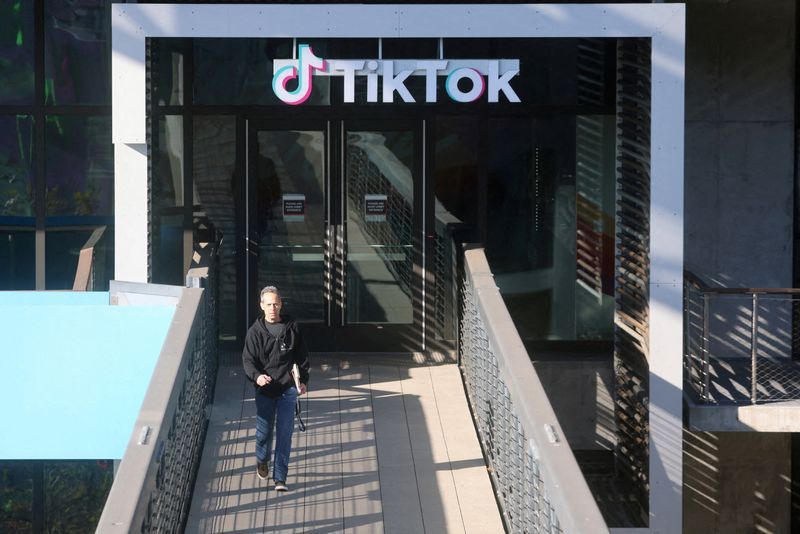
TikTok has reached a settlement agreement with a minor plaintiff who alleged that prolonged use of the Chinese-owned video platform caused significant harm to his psychological wellbeing, according to Morgan & Morgan, the law firm representing the teenager. While both parties have agreed in principle to resolve the dispute, the specific terms and financial details of the settlement remain under negotiation and have not yet been publicly disclosed, the law firm's representative confirmed this week. The development marks another significant withdrawal from litigation for a major social media company facing mounting legal exposure over its platforms' documented effects on adolescent mental health.
This agreement positions TikTok among the first respondents to settle these increasingly common claims, though it follows YouTube's decision to reach its own settlement just weeks earlier in June. The legal landscape surrounding social media liability has shifted markedly as courts and juries grow more receptive to arguments that these platforms knowingly design addictive features targeting younger users without adequate safeguards. For ByteDance, TikTok's parent company based in China, the settlement represents a pragmatic choice to avoid the unpredictable outcomes of jury trials, particularly given the platform's already contentious regulatory status in Western markets.
The lawsuit originated in California state court and names four major social media companies as defendants: Google's YouTube, Meta's Instagram, Snapchat operated by Snap Inc, and ByteDance's TikTok. The case centres on claims that these platforms deliberately engineered their algorithms and features to maximise user engagement among teenagers, with limited consideration for documented psychological risks. YouTube's earlier settlement removes one defendant from the upcoming trial schedule, leaving Instagram and Snapchat as the remaining major social media entities expected to face jury proceedings in July. These trials will represent some of the first substantial tests of whether courts will hold social media companies financially accountable for youth mental health consequences.
The plaintiff in this case is a 15-year-old boy identified in court documents only as R.K.C., a Florida resident whose experience provides a troubling illustration of how social media engagement can develop into dependency during formative years. According to court filings, R.K.C. began using social media platforms when he was approximately eight years old, an age when children lack the neurological development to resist sophisticated engagement mechanics designed by highly resourced technology companies. Over subsequent years, his usage intensified dramatically, eventually consuming most of his waking hours and significantly disrupting his sleep patterns—a documented risk factor for depression and anxiety in adolescents.
The psychological toll documented in R.K.C.'s case aligns with growing epidemiological evidence linking intensive social media use to rising rates of clinical depression, anxiety disorders, and suicidal ideation among American teenagers. Sleep deprivation, a consequence explicitly outlined in his legal filings, triggers cascading neurological effects that compound mental health vulnerabilities during adolescence, a critical developmental window when the brain's emotion-regulation systems remain immature. The combination of sleep loss, social comparison triggered by curated feeds, and algorithmic amplification of emotionally provocative content creates a potent formula for psychological harm, particularly among susceptible young people.
For Malaysian and Southeast Asian readers, the implications extend beyond the specifics of this American litigation. TikTok maintains an enormous user base across the region, with millions of Malaysian teenagers spending hours daily on the platform. The legal precedents emerging from California courtrooms will likely influence regulatory approaches across ASEAN nations, particularly as governments in Singapore, Thailand, and Indonesia examine their own youth mental health statistics. The settlement's existence, even without disclosed terms, signals that major platforms face genuine financial consequences for harms to young users, potentially prompting platforms to modify their algorithms and engagement-optimisation strategies globally.
The pattern of settlements preceding trials also reflects a deliberate legal strategy employed by defendants seeking to avoid jury verdicts that might establish adverse legal precedent or reveal internal company communications documenting knowledge of harm to youth users. During discovery processes preceding trials, litigants typically uncover embarrassing emails, internal presentations, and strategic documents that could inflame juries and justify punitive damages. By settling before trial, companies can confidentially resolve claims while preventing such materials from becoming public record and informing future litigation. This approach has become standard practice among technology companies facing multiple similar lawsuits across different jurisdictions.
The California state court system has emerged as a primary venue for these social media liability cases, reflecting the state's robust consumer protection traditions and juries' receptiveness to claims against technology companies. Unlike federal courts, which sometimes apply more restrictive interpretations of liability, California state courts have shown willingness to pursue novel legal theories against platforms. The scheduled July trials involving Instagram and Snapchat will test whether juries in this jurisdiction will award damages to young plaintiffs, potentially opening the door to thousands of additional claims from families across America.
TikTok's settlement decision also occurs within the broader context of escalating regulatory scrutiny facing the platform globally. American lawmakers have threatened to ban or force divestiture of TikTok unless ByteDance complies with stringent data security and content moderation demands. European regulators are simultaneously applying pressure under the Digital Services Act, while Australian authorities have proposed age restrictions on social media access. In this environment, the company may have calculated that settling youth mental health claims quietly represents less costly and less reputation-damaging than prolonged litigation that would maintain media attention and provide fodder for critics arguing the platform prioritises engagement over wellbeing.
For families whose children have experienced mental health crises related to social media use, these legal developments offer limited but meaningful recourse. While settlements and jury awards cannot fully compensate for depression, anxiety, or worse outcomes, they establish accountability mechanisms and financial incentives for platforms to modify harmful practices. Malaysian parents and policymakers should monitor how these cases evolve, as the legal theories, evidence standards, and damage calculations established in California may soon influence how regional regulators and courts approach similar claims against social media companies operating in Southeast Asia.

