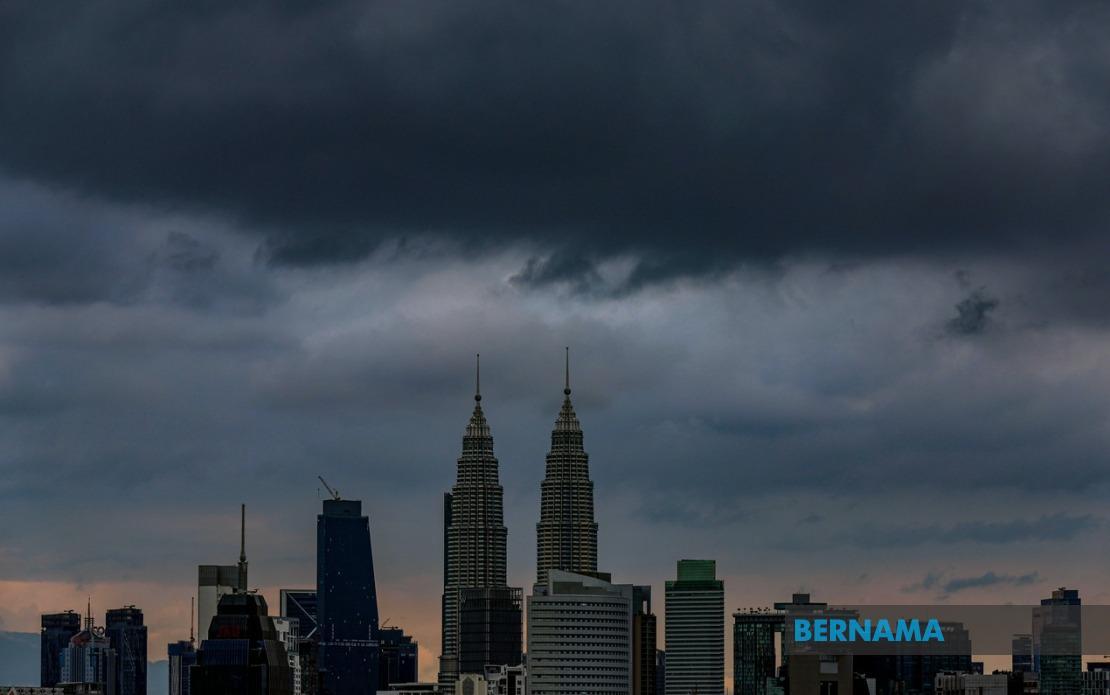
Residents across a significant swathe of Malaysia are being advised to prepare for rough weather as the Malaysian Meteorological Department issues an alert for thunderstorms, torrential rain and gusty winds expected to blanket Kuala Lumpur, Putrajaya and eight states throughout the day until 4 pm. The advisory underscores the volatile atmospheric conditions currently affecting the country and the need for heightened vigilance, particularly in districts prone to flash flooding.
The metropolitan regions face particular exposure, with the capital and its neighbouring federal territory in the firing line alongside major urban centres. In the east coast states, the warning encompasses specific high-risk zones across three key jurisdictions. Kelantan residents in the northern districts of Jeli, Kuala Krai and Gua Musang should exercise caution, whilst Terengganu is flagged for dangerous conditions in Besut, Hulu Terengganu, Dungun and Kemaman. Pahang, the peninsula's largest state, faces threats across its interior highlands and eastern lowlands, affecting Cameron Highlands, Raub, Bentong, Pekan and Rompin.
The Klang Valley region, home to millions in the Selangor conurbation, presents a significant concern given its dense population and critical infrastructure. The warning specifically targets six districts in Selangor, including Hulu Selangor, Gombak, Petaling, Kuala Langat, Hulu Langat and Sepang, areas that experience frequent congestion during heavy downpours and are vulnerable to inundation. The interconnected nature of these districts means disruption in one area can cascade across the greater metropolitan zone, affecting commuters, businesses and essential services.
Negeri Sembilan residents in Jelebu, Seremban and Port Dickson are similarly warned to prepare for severe conditions, whilst the southern state of Johor faces a broad alert across its central, eastern and southern expanses. Affected Johor districts include Batu Pahat, Kluang, Mersing, Pontian, Kulai, Kota Tinggi and Johor Bahru, representing communities from the interior farmlands to the busy port cities along the southern coast. This extensive coverage highlights the geographical reach of the developing weather system.
On the island of Sabah, the meteorological alert spans three distinct zones reflecting the state's diverse topography. The interior region, encompassing Sipitang, Kuala Penyu, Beaufort and Tambunan, comprises largely rural and mountainous terrain where flash flooding poses particular hazards. The west coast communities of Papar, Penampang and Ranau, though more developed, also face elevated risks, whilst the northern Kudat region, including Kota Marudu, rounds out the affected areas. Sabah's exposure to monsoon influences and its vulnerable infrastructure in certain districts make such warnings critical for public safety.
Sarawak, Malaysia's largest state by area, faces threats across multiple divisions indicating a widespread pattern of atmospheric instability. The warning applies to urban Kuching and its surrounding districts of Serian and Samarahan, the central regions of Sri Aman, the southern divisions of Betong with its sub-districts of Pusa and Betong, the interior Kapit division covering Song, Kapit and Bukit Mabong, and the northern Limbang region. This broad geographic dispersion suggests a system of considerable scale and duration.
Thunderstorm and heavy rain warnings carry significant implications for daily life across the affected regions. Transportation networks, both road and rail, typically experience delays and occasionally closures when such conditions materialise. Commuters planning to travel should allow extra time and consider alternative routes, whilst those responsible for schoolchildren and dependents should monitor official updates before departing homes or workplaces. The timeframe extending until 4 pm means the evening rush hour will occur either during or immediately after peak weather activity.
Flash flooding represents the most serious hazard associated with thunderstorms, particularly in low-lying areas and along drainage corridors. Residents in flood-prone localities should review their preparedness, ensure storm drains are clear and consider moving vehicles to higher ground. Businesses operating in vulnerable zones should secure outdoor materials and equipment that could be displaced by strong winds. The combination of heavy rainfall and gusty winds creates compounded risks, from fallen trees and branches to water ingress into buildings and electrical hazards.
Public utilities face heightened operational demands during such weather events. Electricity providers typically experience increased fault calls from wind-damaged lines and lightning strikes, whilst water treatment facilities must manage surges in runoff. Emergency services, including fire and rescue, often see elevated response rates to incidents triggered by adverse conditions. Hospitals should ensure backup power systems are functioning and staff are prepared for weather-related casualties.
For those planning outdoor activities or sporting events, postponement or cancellation should be strongly considered given the official warning status. Sudden wind gusts can pose dangers to spectators and participants alike, and visibility reduction from heavy rain compromises safety. Parents should advise children to avoid outdoor play in affected areas until conditions clear. Agricultural operations, particularly in the interior regions of Pahang and Sarawak, should take precautions with livestock and crops.
The alert's specificity to 4 pm provides a defined window for protective action, though weather systems do not always adhere precisely to forecasts. Residents are encouraged to monitor MetMalaysia's official channels, local news broadcasts and social media updates for real-time developments. Should conditions deteriorate faster than anticipated or persist beyond the forecast timeframe, updated warnings will likely be issued. The Malaysian government's disaster management agencies stand ready to coordinate relief efforts should significant damage occur.
This type of severe weather advisory represents the meteorological department's commitment to protecting public safety through timely, detailed warnings. The granular district-level information enables local authorities and community leaders to mount targeted response measures. Residents should treat this alert seriously, prepare their immediate surroundings, plan transport carefully and remain indoors during the peak of the storm. As Malaysia's monsoon season continues to unfold, such episodes underscore the importance of maintaining awareness and preparedness for rapidly changing atmospheric conditions.

