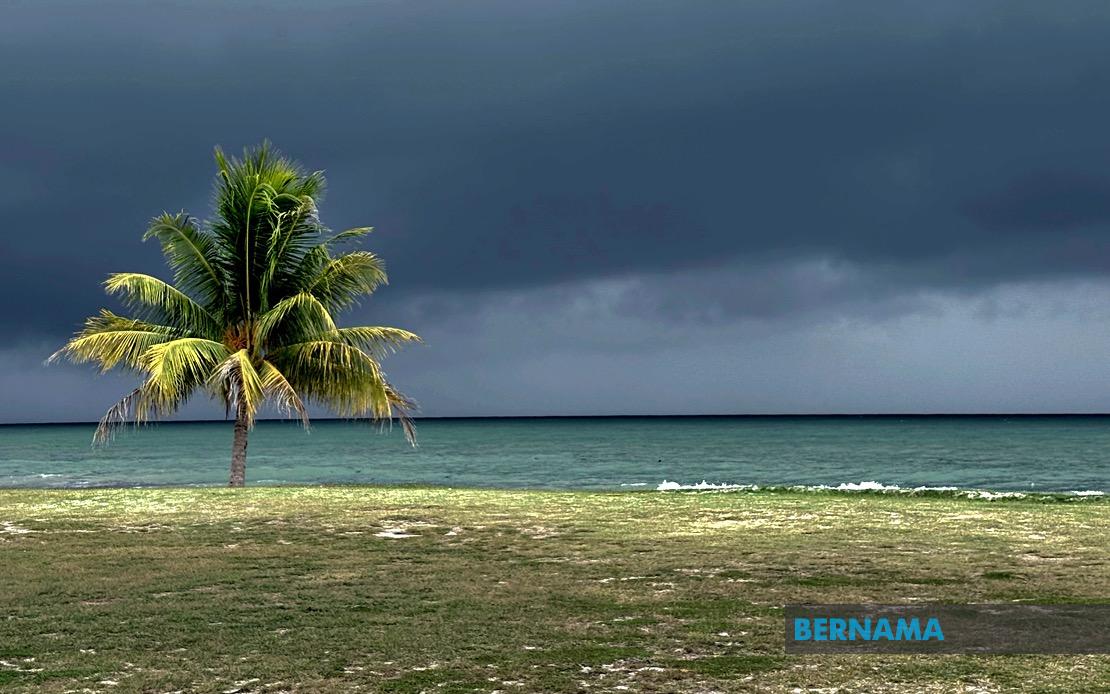
The Malaysian Meteorological Department has cautioned residents across multiple states to prepare for treacherous weather conditions this evening, with thunderstorms, heavy precipitation and strong winds expected to persist until 11 pm. The warning underscores the unpredictable nature of monsoon-influenced weather patterns that regularly affect the region during this time of year, requiring residents and authorities to remain vigilant about potential flooding and transportation disruptions.
On the Peninsular Malaysia side, the weather alert encompasses several districts in three eastern states that form the backbone of the nation's tourism and industrial heartland. Kelantan faces the most widespread impact, with four separate areas flagged for adverse conditions: Kota Bharu, the state capital that serves as a major commercial hub; Bachok, known for its beach attractions; Machang, an interior agricultural district; and Pasir Puteh in the south. These areas, particularly the coastal and low-lying regions, remain vulnerable to flash flooding when intense rainfall occurs over brief periods.
Terengganu's Kemaman district, situated along the east coast and home to petrochemical facilities and palm oil operations, is similarly affected by the meteorological warning. Meanwhile, in Pahang, four localities have been identified as at-risk zones: Jerantut and Maran in the interior, Temerloh along the Rajah River corridor, and Kuantan, the state capital and a bustling port city. The concentration of warnings across Pahang reflects the state's diverse topography, combining coastal areas prone to surge effects with inland regions susceptible to river flooding.
Beyond Peninsular Malaysia, the warning extends across East Malaysia, where Borneo's distinctive tropical climate creates distinct weather systems. In Sarawak, the maritime district of Limbang and the inland area of Lawas have been placed under alert status. These regions, despite their relative isolation, experience regular seasonal storms that can disrupt transport links and agricultural activities. The dual location of the warning across Limbang and Lawas suggests the storm system may be widespread across northern Sarawak's geography.
Sabah faces even more geographically dispersed impacts, reflecting the state's complex terrain spanning coastal plains and mountainous interior. The Interior region, encompassing Nabawan and Keningau, faces storm conditions in areas where transport infrastructure remains limited and communities depend heavily on clear weather for supply logistics. The West Coast district of Ranau, situated beneath Mount Kinabalu, frequently experiences orographic enhancement of rainfall due to the mountain's influence on atmospheric moisture. Sandakan and surrounding areas including Tongod, Telupid and Beluran on the east coast represent the state's main economic zones and population centres.
The issuance of such alerts serves multiple critical functions within Malaysia's disaster management framework. The public receives advance notice to secure loose outdoor items, avoid unnecessary travel, and take shelter indoors when conditions intensify. Utilities companies can pre-position maintenance crews to respond swiftly to weather-related outages or infrastructure damage. Local authorities activate emergency response protocols, ensuring rescue and relief teams remain on standby throughout the warning period. Schools and community facilities may be placed on alert to serve as temporary shelters if flooding becomes severe.
Thunderstorms across Malaysia's eastern regions carry particular hazards beyond heavy rainfall alone. Lightning represents a significant danger, particularly for outdoor workers, farmers, and those in exposed locations. Strong winds accompanying the storms can damage structures, down power lines, and render roofs unsafe. For maritime areas and fishing communities along Kelantan, Terengganu, Kuantan, and Sandakan coastlines, rough seas generated by the storm system pose serious navigation risks, potentially trapping vessels at sea or preventing safe harbour entry.
The timing of this weather system reflects broader seasonal patterns affecting Southeast Asia during the inter-monsoon period. Between the main monsoon seasons, localized convective storms frequently develop across the region, particularly in areas with high moisture content and atmospheric instability. The concentration of warnings across the east coast and Sabah indicates that atmospheric conditions have created a particularly favourable environment for storm development in these zones, while western regions remain relatively unaffected.
For Malaysian economic sectors reliant on weather stability, such forecasts trigger immediate operational adjustments. Agricultural producers in Kelantan, Terengganu, and Pahang may accelerate harvesting or pause field operations. Port authorities at Kuantan and Sandakan assess berth availability and vessel movements. The palm oil and rubber industries, major employers across these regions, plan workforce logistics around predicted weather. Tourism operators along Kelantan and Terengganu beaches face potential visitor cancellations and facility closures until conditions improve.
Residents across the affected areas are urged to monitor official weather updates from MetMalaysia, as conditions may deteriorate more rapidly than anticipated or persist beyond the stated 11 pm deadline. Historical data demonstrates that summer thunderstorms in these regions occasionally intensify beyond initial forecasts, occasionally producing localized flooding that exceeds normal drainage capacities. Staying informed through official channels rather than social media rumours remains essential for personal safety and informed decision-making during adverse weather events.
The geographic scope of this alert, spanning both Peninsular Malaysia and Borneo, underscores how weather systems can simultaneously affect disparate regions despite their distance. Understanding these patterns helps residents and planners anticipate seasonal hazards and implement appropriate protective measures across Malaysia's diverse landscape.

