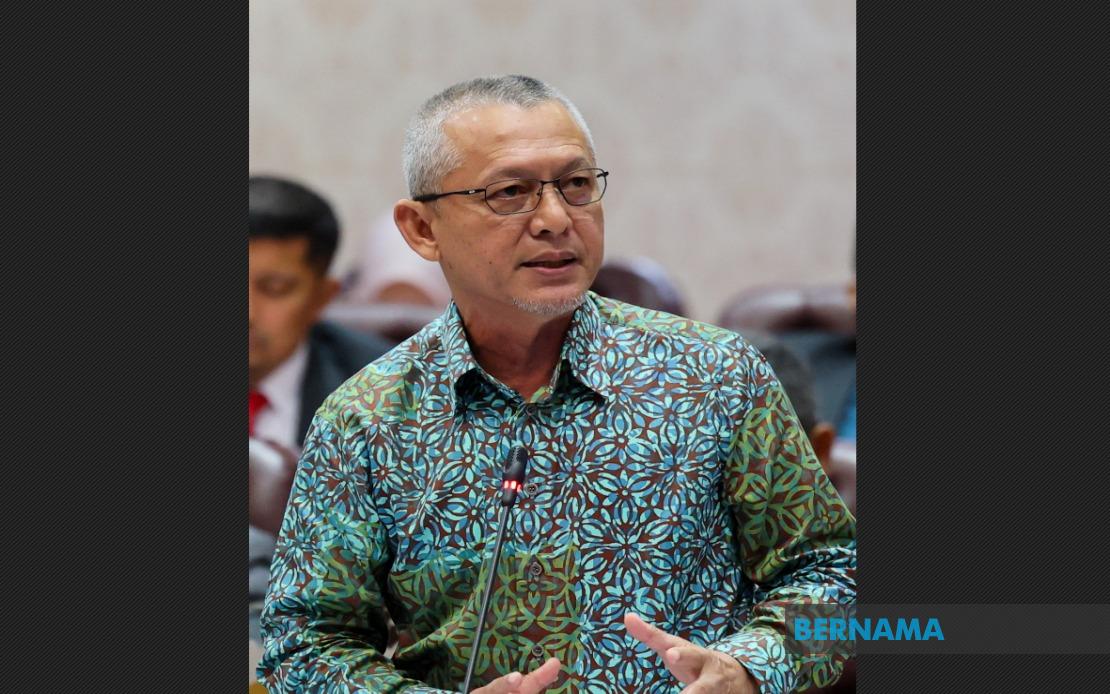
A significant shake-up is underway within Bersatu's Terengganu operations, with the state party leadership announcing three resignations from their respective posts. Datuk Razali Idris, who serves as both the state party chief and a member of the Terengganu State Executive Council, formally notified Bersatu president Tan Sri Muhyiddin Yassin of his intention to step down on July 16. The development raises questions about internal party dynamics in one of the coalition's stronghold states at a time when Bersatu continues to navigate its political positioning within the broader Malaysian political landscape.
Razali's departure from the state leadership structure comes as he awaits formal acknowledgement from the party's central office. Despite submitting his resignation letter more than three weeks prior, the Bersatu president's office has yet to issue an official response confirming or rejecting the move. This administrative silence underscores the procedural complexities that often characterise Malaysian party politics, where formal acceptance of resignations can sometimes lag behind the actual submission of letters. Razali indicated that he intends to formalise his exit from the Marang division chief position by mid-August, a move he has delayed to complete outstanding administrative responsibilities before fully severing his operational ties to party management structures.
Two state assemblymen have joined Razali in stepping away from their designated roles. Telemong representative Mohd Zawawi Ismail has relinquished his post as the state party's information chief, while Hulu Besut assemblyman Mohd Husaimi Hussin has vacated the position of state treasurer. Both men have confirmed their departures and indicated they would submit formal notification to the central Bersatu leadership documenting their resignations from these specific positions. The coordinated nature of these three exits suggests a possible underlying pattern within the state organisation, though the individuals involved have characterised their moves as driven by personal and administrative considerations rather than broader factional disputes.
Crucially, all three leaders have emphasised that their resignations are limited in scope and do not represent a wholesale departure from the party itself. They remain committed members of Bersatu and are only relinquishing their appointed roles within the state-level governance structures of the organisation. This distinction carries significant weight in Malaysian party politics, where maintaining formal membership while stepping back from visible leadership roles often reflects a tactical repositioning rather than a fundamental break with the party. Such moves allow individuals to preserve their standing within the broader party community whilst creating distance from specific institutional responsibilities or, in some cases, signalling dissatisfaction with direction without triggering wider fracture.
The Terengganu developments arrive at a moment when Bersatu itself continues to adjust its political footing. The party, which emerged as a significant force within the Perikatan Nasional coalition, has faced recurring questions about its organisational coherence and leadership direction. State-level departures of this nature, even when framed as administrative in nature, can accumulate into a pattern that hints at deeper organisational stress or shifting loyalties within the membership base. For observers monitoring Bersatu's capacity to maintain unity and internal discipline, the Terengganu situation merits careful tracking.
For Malaysian readers and political analysts, these resignations illustrate the fluid nature of party politics at the state level. Unlike federal-level political upheaval, which typically commands immediate media attention and broader political consequences, state-level leadership transitions often unfold with less fanfare but can nonetheless reflect significant internal movements. The fact that Razali, Mohd Zawawi, and Mohd Husaimi have chosen to relinquish their positions simultaneously suggests they may share common concerns or motivations, even if those concerns remain privately held rather than publicly articulated.
Terengganu's political significance extends beyond its state boundaries. As a traditionally strong coalition state with its own distinct political economy and social dynamics, developments within the ruling coalition apparatus there carry implications for the broader Perikatan Nasional coalition's stability. The state has historically served as an important power base for various political actors, and maintaining organisational coherence within state party branches remains essential for the coalition's electoral prospects in state and federal contests alike.
The pending formal response from Muhyiddin's office will prove telling. Should the party leadership accept these resignations swiftly and without comment, it may signal that the departures are indeed viewed as routine administrative matters. Conversely, any significant delay or conditional response could indicate that central leadership harbours concerns about the symbolism of these exits or seeks to extract assurances before formally approving them. The manner in which Bersatu's national office handles this situation will communicate important signals about the party's internal culture and its capacity to manage leadership transitions with transparency and efficiency.
As Bersatu continues its evolution within Malaysia's competitive multiparty system, retaining capable organisational leadership across all states remains a priority. The Terengganu situation, whatever its underlying causes, represents a test of the party's ability to address internal transitions constructively. For state-level party members and supporters observing these developments, the key reassurance lies in the commitment of Razali, Mohd Zawawi, and Mohd Husaimi to maintain their party membership even as they step back from formal leadership roles, suggesting that any disagreements or concerns remain contained within a framework of continued affiliation and support for the broader organisational mission.

