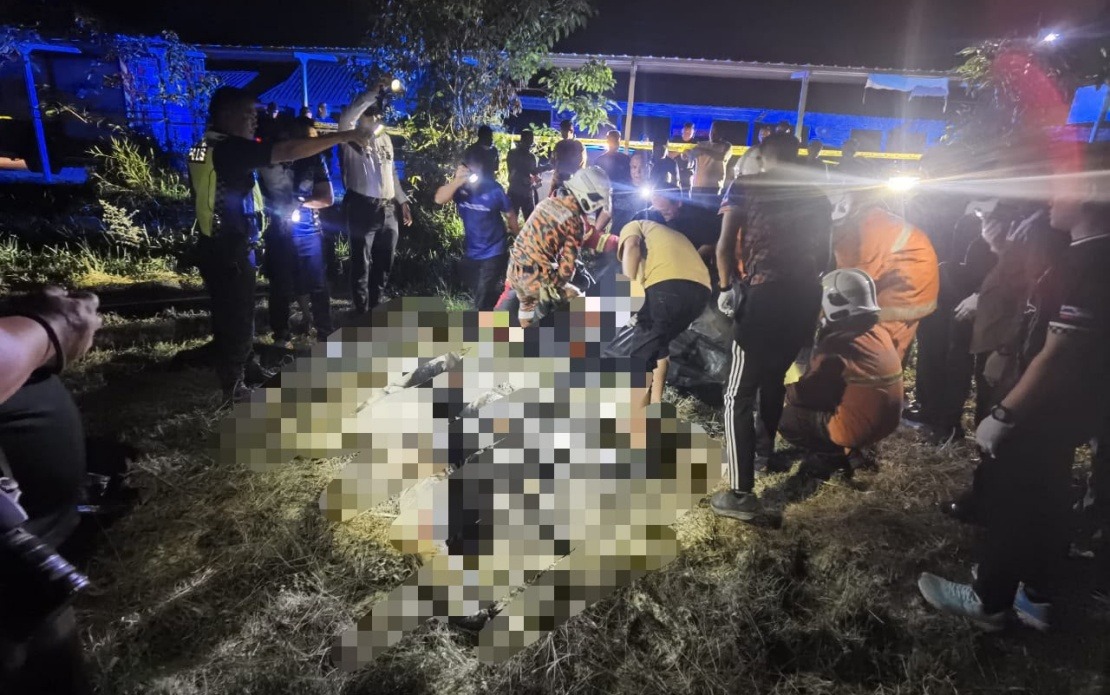
A tragic incident in Beaufort, Sabah has claimed the lives of three police officers who appear to have been fatally electrocuted on Wednesday afternoon. The officers were found along Jalan Weston in Kampung Weston, drawing immediate response from emergency services and sparking widespread attention on social media platforms as bystanders documented the scene.
The Sabah Fire and Rescue Department received emergency reports at 5.56 pm, prompting swift mobilization of rescue personnel from the nearby Beaufort station. Given the distance of approximately 28 kilometres from the station to the incident location, a Fire Rescue Tender was dispatched with a seven-member team to manage the emergency response. The rapid deployment underscores the region's emergency services infrastructure, though questions about response capacity in remote areas remain relevant for Sabah's safety frameworks.
Operations were coordinated by Operations Commander PBK I Irwan Abdul, who led efforts involving not only fire and rescue teams but also representatives from the Royal Malaysia Police and Sabah Electricity. The involvement of the electricity supplier indicates concerns about potential electrical hazards along the roadway—a critical detail given Malaysia's ongoing infrastructure and public safety considerations. The coordination between multiple agencies demonstrates established protocols for handling electrocution incidents, yet the circumstances surrounding how three trained officers came into contact with a lethal electrical source warrant thorough examination.
Social media rapidly amplified imagery from the scene, with multiple videos circulating online showing the three victims lying on the roadway with onlookers present. This widespread digital documentation reflects how emergency incidents now unfold in the public sphere, creating challenges for authorities managing both immediate response and information control. Such viral circulation can complicate ongoing investigations while also serving to highlight workplace and public safety concerns that demand policy attention.
The identities of the deceased officers remain undisclosed pending formal notification procedures and next-of-kin contact. This administrative necessity, while standard protocol, leaves questions unanswered about their years of service, rank, and departmental assignment. For the police force and their families, the loss represents a profound personal tragedy with implications for operational readiness in Beaufort district.
Authorities have not yet released definitive findings regarding the cause of the electrocution. Whether the incident resulted from damaged electrical infrastructure, improper installation, weather-related factors, or occupational negligence remains under investigation. The specifics matter considerably for determining accountability and identifying preventative measures. Beaufort's road infrastructure and utility maintenance standards may come under scrutiny, particularly if substandard electrical safety was contributing factor.
This incident raises broader questions about occupational hazards facing Malaysian law enforcement personnel. Police officers routinely interact with infrastructure, traffic situations, and environmental conditions that may present unexpected dangers. Enhanced training in electrical hazard recognition and safety protocols could prove valuable for frontline personnel working in diverse field conditions across Sabah.
The incident also highlights the vulnerability of public infrastructure in Sabah's more remote districts. Beaufort's relative distance from the state capital Kota Kinabalu may influence resource allocation for infrastructure maintenance and safety oversight. As Malaysia develops its regional economies and expands service delivery to outlying areas, ensuring electrical systems meet safety standards becomes increasingly important for protecting both workers and the public.
Regional authorities face mounting pressure to conduct transparent investigations and communicate findings to stakeholders and the public. The rapid viral spread of incident footage suggests significant public interest in understanding what occurred and why. Clear, timely communication from investigating agencies will be essential for maintaining public confidence in both workplace safety standards and emergency response capabilities.
The loss of three officers simultaneously represents an unusual tragedy within Malaysia's police service. Such mass casualty incidents from occupational hazards are relatively uncommon, making this occurrence particularly noteworthy. The incident will likely prompt reviews of standard operating procedures, safety equipment, and training protocols affecting police operations throughout Sabah and potentially across the broader Malaysia Police force.
As investigations progress, findings may influence policy discussions around infrastructure safety standards, emergency response procedures, and occupational hazard management in Malaysia. The incident serves as a stark reminder that behind routine administrative and enforcement functions, police personnel face real and sometimes fatal risks. Understanding the circumstances and implementing appropriate safeguards represents a critical responsibility for government authorities and law enforcement leadership across the nation.

