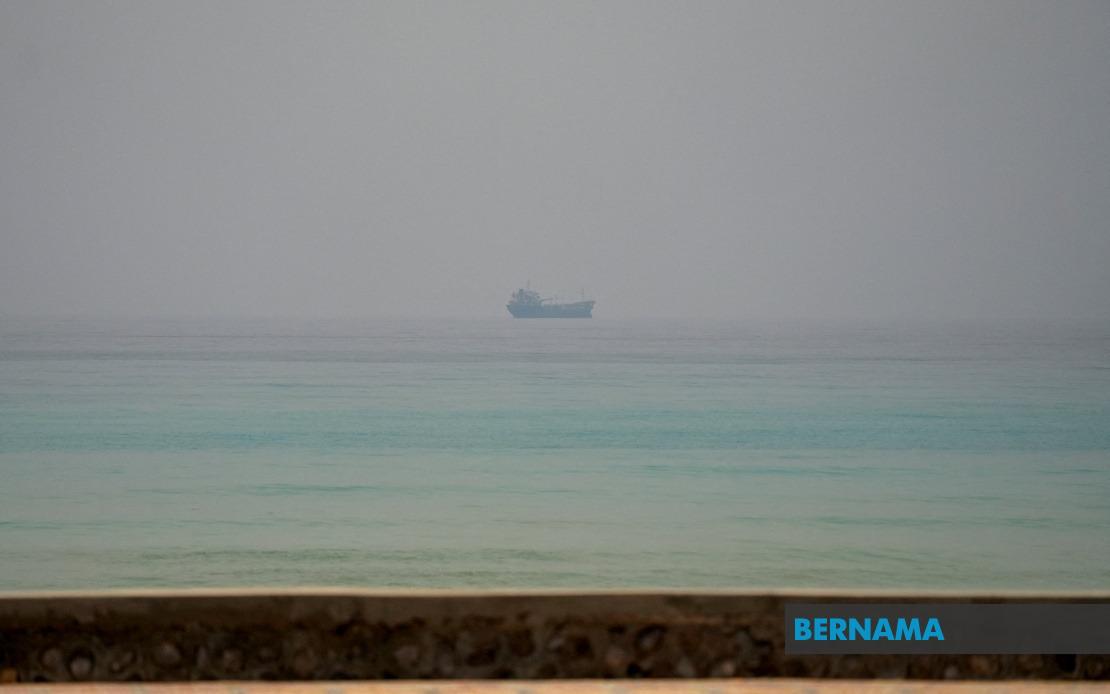
A coordinated series of strikes against commercial shipping off Oman's coast has raised alarm over security in one of the world's most critical maritime corridors. On Tuesday, three oil tankers sustained direct hits in separate incidents, with authorities confirming one crew member dead and three others unaccounted for following the attacks near the Strait of Hormuz.
Oman's Maritime Security Centre reported the first attack on the Stolt Magnesium, which was targeted approximately 40 nautical miles from South Al Sharqiyah Governorate in international waters. The impact ignited a fire within the vessel's engine compartment, though all 23 crew members were successfully rescued by a nearby merchant ship and reported in stable condition. The incident demonstrated the vulnerability of tankers transiting these waters despite operating outside Omani territory.
Within hours, a second vessel, the Mombasa B, was struck about 8.5 nautical miles off Musandam Governorate's coastline. The strike disabled the tanker's propulsion systems, leaving it adrift. The 21-member crew evacuation proved more complicated, with six personnel sustaining injuries of varying degrees during the operation. A Royal Navy of Oman asset was dispatched to monitor the stricken vessel and coordinate further response measures.
The third target was the Al Bahyah, hit approximately 9.6 nautical miles from Musandam Governorate. Of the 18 crew members aboard, all were extracted from the vessel, yet three remain unaccounted for despite ongoing search operations. A Royal Navy vessel was deployed to the scene to support rescue efforts and secure the area.
ADNOC Logistics & Services, the maritime division of Abu Dhabi National Oil Company, confirmed that two of the three vessels—Al Bahyah and Mombasa B—operate under its flag. The company stated that both tankers carrying crude oil were struck by projectiles while navigating the Strait of Hormuz. The company's account confirmed one fatality among the crews, corroborating the severity of the coordinated assault on commercial shipping infrastructure.
These incidents arrive amid escalating tensions between the United States and Iran over dominance and control of the Strait of Hormuz, a waterway through which roughly one-third of all seaborne traded oil passes daily. The strategic importance of this corridor cannot be overstated for regional economies and global energy markets. Malaysia, as a significant oil importer and a nation dependent on stable energy supplies, faces potential consequences should maritime security deteriorate further in this vital passage.
Oman's Foreign Ministry responded swiftly by issuing a formal statement emphasizing the necessity of adhering to international maritime law, protecting freedom of navigation, and guaranteeing the unobstructed transit of commercial vessels through the strategic waterway. The diplomatic language reflects Oman's historical role as a relative neutral actor in regional geopolitics, though the statement tacitly acknowledges that the current security environment threatens these principles.
The pattern of attacks on commercial shipping raises questions about accountability and prevention mechanisms. The targeting of three separate vessels within a brief timeframe suggests either a coordinated campaign or escalating sporadic incidents that collectively demonstrate the breakdown of maritime security norms. For Southeast Asian shipping companies and oil traders, the attacks signal that vessels transiting this corridor face genuine physical danger beyond normal commercial risks.
The implications extend beyond immediate human casualties and vessel damage. Insurance premiums for vessels transiting the Strait of Hormuz have climbed substantially over the past year as underwriters price in heightened risk. Shipping companies face mounting pressure to reroute vessels around the Cape of Good Hope, adding weeks to journeys and substantially increasing operational costs. These economic pressures eventually flow downstream to consumers and economies dependent on affordable energy imports.
Malaysia's position as a regional economic hub with significant petroleum refining capacity and shipping interests means that disruptions to Strait of Hormuz traffic directly affect domestic energy security and manufacturing competitiveness. The country's refineries and petrochemical industries rely on steady crude oil supplies, predominantly sourced from the Middle East. Any sustained deterioration in maritime security through this corridor could force Malaysian enterprises to absorb higher energy costs or seek alternative suppliers at premium prices.
The incident also underscores broader regional instability that extends beyond bilateral US-Iran tensions. The Strait of Hormuz remains contested territory where multiple state and non-state actors maintain interests, and the absence of clearly enforced international maritime protocols creates space for miscalculation and escalation. Oman's appeal to international law reflects the limited leverage smaller nations possess in de-escalating conflicts driven by major powers.
Moving forward, the international community faces pressure to establish clearer protocols protecting commercial shipping in contested waters. Regional actors, including Malaysia and other Association of Southeast Asian Nations members, have compelling interests in ensuring that shipping lanes remain open and secure. The current trajectory—where three vessels can be struck in a single day with limited apparent consequence—suggests that existing deterrence and diplomatic mechanisms are insufficient.

