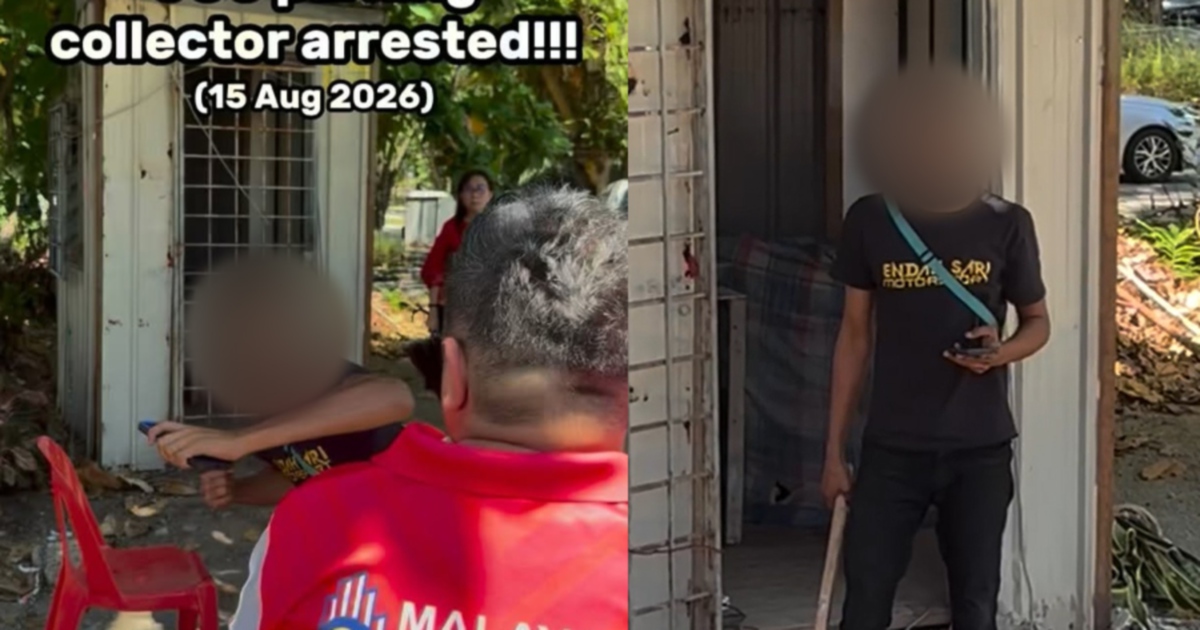
Three men are now in police custody following an assault on a 38-year-old woman in the Bangsar suburb of Kuala Lumpur. The incident took place after the woman approached the men regarding what authorities describe as illegal parking fee collection activities in OUG, raising concerns about both public safety and the proliferation of informal parking schemes in residential areas.
According to the police account of events, the woman was allegedly punched in the head and subjected to threats during her confrontation with the three men. The severity of such an incident has sparked renewed discussion about how residents should handle disputes with individuals collecting unauthorized fees, and whether such informal collection systems represent a broader law enforcement challenge in the capital's residential neighbourhoods.
The OUG enclave, a well-established residential community in Bangsar, has apparently become the site of parking fee collection activities that operate outside official municipal channels. Residents in such areas frequently face pressure from individuals claiming authority to collect parking charges, creating confusion about legitimate fee structures and inviting potential conflict when questioned. The incident highlights the vulnerability of residents, particularly women, when they attempt to question the legality of such arrangements.
Unauthorized parking fee collection represents a grey area that straddles informal neighbourhood management and outright extortion. In many Malaysian residential communities, individuals or groups have historically taken it upon themselves to manage parking and collect fees without formal authorization from local authorities or resident associations. When residents challenge these arrangements, tensions can escalate rapidly, as this OUG case demonstrates.
The police response to arrest three individuals sends a signal about taking such incidents seriously, particularly when violence and intimidation are involved. However, the underlying issue—how to prevent unlicensed fee collection from occurring in the first place—remains a systemic challenge for local authorities and municipal bodies across Kuala Lumpur and the Klang Valley region more broadly.
For residents of OUG and similar communities, the incident raises important questions about personal safety when challenging suspicious activities. Many may prefer to avoid confrontation altogether, allowing illegal schemes to persist rather than risk becoming targets for aggression. This creates a cycle where unlicensed operators face minimal practical consequences beyond occasional police action.
The role of resident associations and formal municipal structures in combating such activities deserves attention. Where resident associations are weak or poorly organized, unauthorised fee collectors can operate more freely. Conversely, communities with active management and clear communication channels about legitimate parking arrangements tend to experience fewer disputes and less opportunity for coercive fee collection schemes.
This case also reflects broader tensions within Malaysia's urban residential areas, where informal economies sometimes operate with minimal oversight. From motorcycle washing services to parking management, individuals frequently position themselves as essential service providers despite lacking formal authorization. Most operate without incident, but the potential for conflict increases significantly when residents question their legitimacy.
From a property rights perspective, residents of OUG and similar developments typically have legitimate expectations about parking arrangements that should be transparent and based on official rate structures. When unofficial collectors demand fees, the lack of clarity about where money goes and what it funds naturally breeds suspicion and resistance.
The arrested men now face investigation and potential charges related to assault, intimidation, and possibly fraud or illegal fee collection. The case will likely move through the court system, though such matters typically receive limited media attention once the initial sensational element fades. Meanwhile, the broader question of how parking management should function in Malaysian residential areas remains largely unresolved.
For other residents encountering similar situations, this incident provides a cautionary tale about the risks of direct confrontation. Rather than approaching individuals collecting fees directly, the recommended approach would be reporting suspicious activity to local council officials, police, or resident association management, allowing authorities to investigate whether arrangements are legitimate.
Looking forward, authorities may need to enhance coordination between police, municipal bodies, and resident associations to establish clearer parking management systems that eliminate the space for unauthorized fee collection. Public education campaigns could help residents distinguish between legitimate charges and unauthorized collections, reducing potential conflicts.
The incident ultimately underscores how informal fee collection systems, while common in Malaysian neighbourhoods, create pathways for potential exploitation and violence. Creating more transparent, official parking management frameworks would protect residents while eliminating opportunities for unlicensed operators to profit through coercion.

