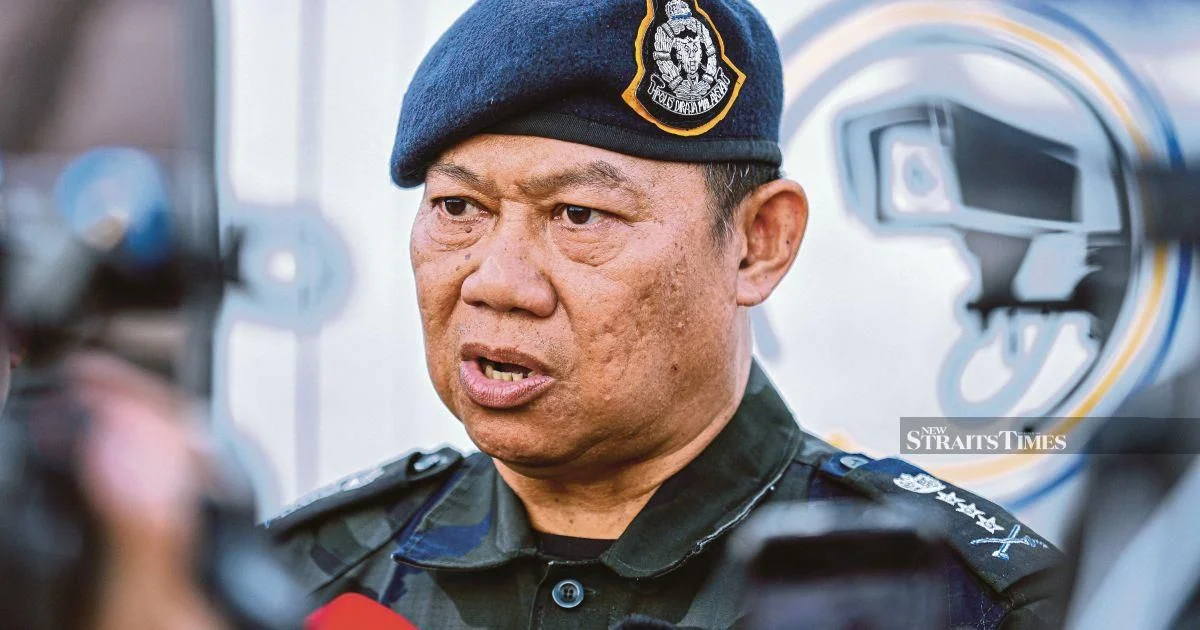
Police in Johor Baru have launched formal investigations into three separate cases stemming from seven election-related complaints filed since the nomination day for the state's recent electoral exercise. The selective scrutiny reflects the law enforcement response to allegations during what represents a critical period in the democratic process, with authorities filtering through multiple reports to determine which merit full investigative attention.
The decision to open investigation papers for only three of the seven reported incidents suggests that police conducted an initial filtering process, assessing the severity and credibility of allegations before committing investigative resources. This approach is common in electoral cycles, where authorities must balance responsiveness to public concerns with the need to focus on substantive breaches that warrant formal action. The nature of the remaining four reports that did not trigger investigations remains unclear, though they may have involved less serious matters or allegations lacking sufficient evidence for preliminary assessment.
Election-related complaints in Malaysian state polls typically encompass a broad spectrum of concerns, ranging from alleged campaign finance violations and false statements during campaigning to breach of election rules regarding prohibited activities during the campaign period. In Johor's case, the fact that police received seven reports indicates a level of public engagement with electoral oversight, though the precise nature of each allegation has not been detailed. This vigilance from both voters and monitoring bodies serves as a mechanism for maintaining electoral integrity throughout the nomination and campaigning phases.
The timing of these investigations carries particular significance for Johor's political landscape. The state has historically been influential in national politics, and any irregularities during electoral processes attract scrutiny not only from local stakeholders but also from observers across Malaysia concerned with democratic standards. The nomination period is especially critical, as it establishes the field of candidates and sets parameters for the campaign that follows, making it a crucial juncture for ensuring compliance with electoral rules.
Johor's police force, as with other state police contingents, operates under strict directives from the Election Commission regarding how election-related matters should be handled during polling periods. The establishment of investigation papers formalises the process, meaning officers have been assigned to examine specific allegations, gather evidence, and interview relevant parties. This procedural step demonstrates that at least three complaints were deemed sufficiently substantial to warrant this level of institutional response.
For political parties and candidates contesting the Johor election, the presence of ongoing police investigations during the campaign period adds a layer of regulatory awareness to their activities. Candidates and party officials are typically briefed extensively on campaign regulations, yet violations continue to occur, sometimes inadvertently and sometimes through deliberate breach. The knowledge that police are actively investigating current election-related matters may serve as both a deterrent and a reminder of the boundaries within which campaigns must operate.
The Malaysian electoral system, while generally functioning effectively, continues to face questions about enforcement and consistency in how violations are treated. Different states may apply varying degrees of rigour in their investigation of electoral complaints, influenced by resource availability, political will, and the complexity of individual cases. Johor's response in filtering seven reports into three investigations appears measured, though observers from civil society organisations and opposition parties may scrutinise whether all allegations received adequate consideration.
Election observers and international bodies monitoring Malaysian elections have in recent years emphasised the importance of efficient complaint mechanisms and prompt, transparent investigation. The visible action by Johor police in opening investigation papers serves a public confidence function, demonstrating that institutional responses to electoral complaints are not arbitrary but follow from substantive assessment. However, the lack of public information about the outcomes of investigations or the nature of allegations can sometimes fuel speculation and concern among opposition figures and activists.
For Malaysian readers and Southeast Asian observers, Johor's electoral conduct carries implications beyond the state itself. The state's economic importance and political profile mean that any irregularities or credible allegations of electoral malpractice attract regional attention and can influence perceptions of Malaysia's democratic health. Regular, competent handling of electoral complaints contributes to the broader perception that Malaysia maintains functional democratic institutions, despite ongoing debates about political competition and media freedom in the country.
The investigation outcomes remain to be seen, and whether charges are eventually brought will provide insight into the severity of the alleged breaches. As the Johor election campaign progresses, both law enforcement and the Election Commission face the ongoing responsibility of monitoring compliance and responding to further complaints that may arise. The initial response to these seven reports sets a tone for how seriously electoral regulations will be enforced during this particular electoral cycle, a matter of interest to all stakeholders invested in the integrity of Malaysia's subnational democratic processes.

