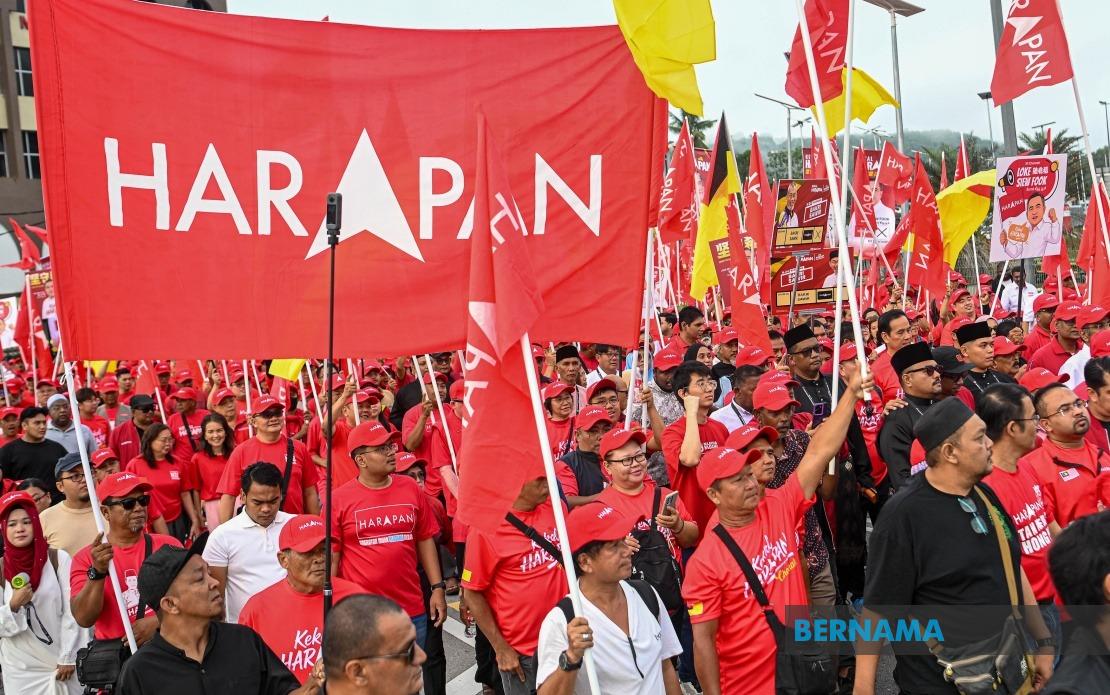
The Negeri Sembilan state election is shaping up to be intensely competitive in three key constituencies, with BN, PH and Bersatu each fielding candidates in Pertang, Klawang and Sungai Lui. The declaration came after nomination proceedings concluded on July 18 at Dewan Besar Kuala Klawang, with Jelebu Parliamentary returning officer Abdul Rahim A Aziz confirming the final candidate slate for the 16th state assembly election.
In Pertang, the political landscape reflects broader shifts within Malaysia's coalition politics. Incumbent Datuk Seri Jalaluddin Alias carries the Barisan Nasional banner into the contest, facing competition from Mohd Umry Abdul Khois representing Pakatan Harapan and Mohd Faizal Fadli Mohd Idrus of Bersatu. Jalaluddin's track record provides him with considerable advantage—he secured 5,634 votes in the previous election, defeating Perikatan Nasional's Amirudin Hasan by a substantial 2,844-vote majority. That comfortable winning margin suggests the seat remains favourable to the BN incumbent, though the emergence of a Bersatu challenger introduces additional complexity to vote distribution dynamics.
The Sungai Lui seat has generated particular intrigue among observers, presenting an unusual scenario where two of the three candidates share a former schoolmate connection. The contest pits Datuk Mohd Razi Mohd Ali of Barisan Nasional against Zainal Fikri Abd Kadir of Pakatan Harapan and Mazrulhisham Abd Mansor of Bersatu. The personal history between candidates adds a local flavour often found in Malaysian state elections, where community relationships and individual reputations frequently matter as much as party affiliation. This seat exemplifies how state-level contests differ from federal elections, with constituent concerns and grassroots networks playing outsized roles in determining outcomes.
Klawang presents a different narrative, with an incumbent from the opposition coalition seeking to retain power. Datuk Bakri Sawir, currently holding the seat for Pakatan Harapan, must defend against challenges from Bersatu's Muhammad Adib Musa and Perikatan Nasional's Danni Rais. The configuration underscores how Malaysia's political landscape has fragmented significantly, with no single opposition force commanding unified support. For PH to retain this seat, Bakri must navigate the divided opposition vote while maintaining his personal standing in the constituency.
These three constituencies collectively illustrate broader patterns within Negeri Sembilan politics and the wider Malaysian electoral environment. The consistent appearance of three-cornered contests reflects the splintering of Malaysia's political coalitions, particularly the formation of Bersatu and subsequent realignments. Unlike earlier elections where contests often featured two principal competitors, contemporary state elections frequently involve three or more serious contenders, fragmenting the electoral landscape and potentially benefiting parties with strong ground organisation and existing incumbency advantages.
For Malaysian voters and regional observers, these Negeri Sembilan contests serve as important indicators of shifting political sentiment. The state holds symbolic significance as a traditionally BN-friendly territory, yet the presence of competitive PH and Bersatu candidates suggests the political ground remains fluid. Results from this election may offer insights into whether BN has stabilised its position following recent federal election results, or whether opposition and splinter parties can continue gaining ground in traditionally secure constituencies.
The Electoral Commission has structured the election timeline to allow adequate preparation and participation. Early voting is scheduled for July 28, providing flexibility for voters unable to participate on the main polling day, while August 1 represents the official election date. This timeframe offers candidates sufficient time to conduct final campaigning while maintaining orderly electoral processes. The establishment of clear timelines demonstrates EC's commitment to conducting fair and efficient state-level elections.
For Negeri Sembilan residents and Malaysian political analysts, these three contests will warrant close monitoring throughout the campaign period. The interplay between incumbent advantages, coalition dynamics, and local personality politics will determine outcomes in ways that may not perfectly align with national-level trends. Voters in Pertang, Klawang and Sungai Lui will effectively choose between competing visions of state governance while navigating complex multi-cornered contests that increasingly characterise Malaysian electoral democracy.
The broader implications extend beyond Negeri Sembilan's borders. As Southeast Asia's most established democracy, Malaysia's state elections provide models for understanding how coalitional politics operate in practice. The emergence of persistent three-cornered contests reflects genuine democratic competition and voter choice, though it simultaneously raises questions about coalition stability and executive effectiveness when governments depend on narrower majorities or more fragmented support bases. How Negeri Sembilan voters navigate these choices will contribute to understanding Malaysian democracy's trajectory.

