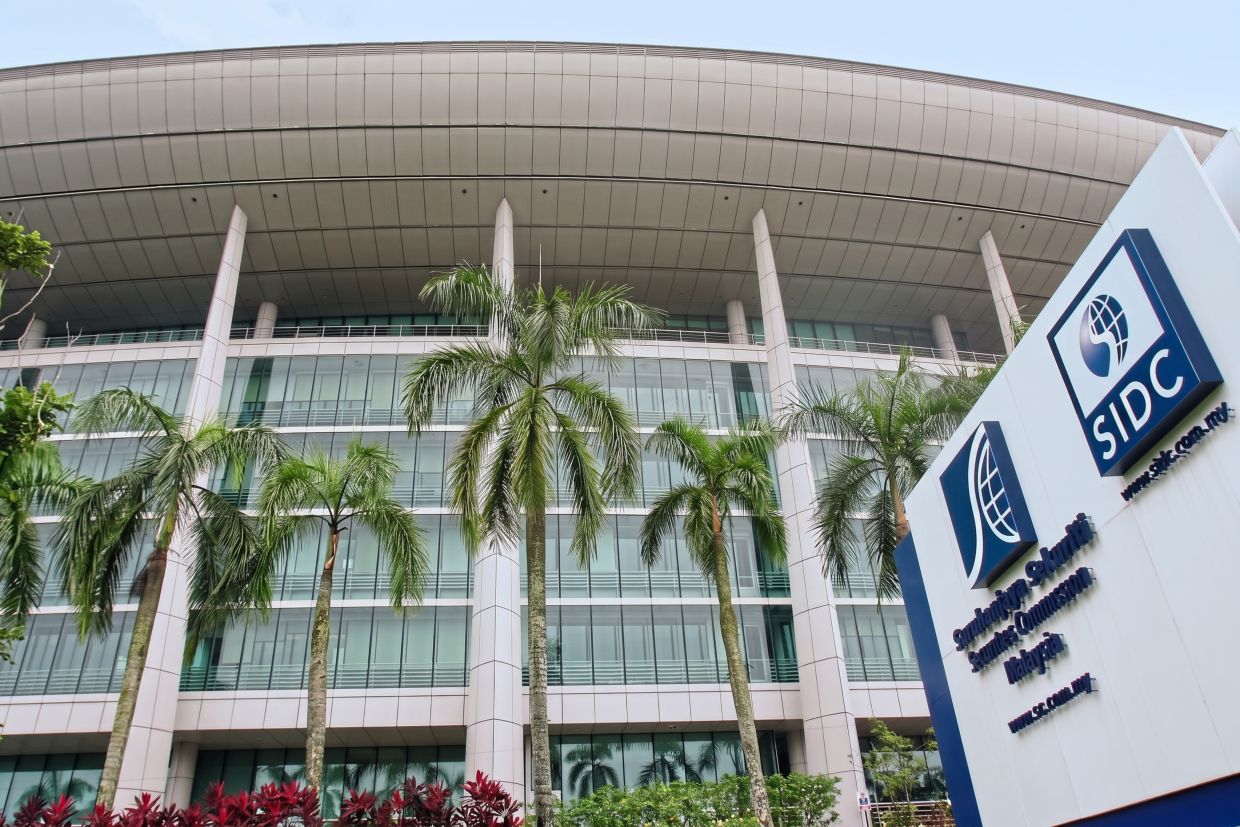
Three brothers face multiple charges from the Securities Commission Malaysia (SC) for conducting unlicensed securities dealing activities, marking another significant enforcement action by the regulator against unauthorised capital market operations. Anuar Hassan, Mohd Amin Hassan and Amir Hassan appeared before separate Kuala Lumpur Sessions Courts where they were charged under the Capital Markets and Services Act 2007 (CMSA) for operating as securities dealers without proper SC authorisation. The coordinated legal action underscores the SC's intensified focus on curbing unregulated financial activities that pose risks to retail investors and market integrity across the region.
The charges carry substantial criminal liability. If convicted on all counts, the three brothers face potential fines reaching RM10 million individually or imprisonment terms up to 10 years, or both. This severity reflects the serious nature of unlicensed capital markets operations, which the SC treats as a priority enforcement matter given their capacity to defraud vulnerable investors and undermine confidence in Malaysia's regulated securities ecosystem. The maximum penalties available to courts demonstrate the legislature's intent to deter sophisticated financial crimes and protect public investors from unscrupulous operators.
Mohd Amin Hassan received a single charge under section 58(1) of the CMSA for conducting a securities dealing business without appropriate licensing. He secured bail at RM30,000 with two Malaysian sureties, and the court imposed supplementary conditions requiring him to surrender his passport and report monthly to the SC's investigating officer. These bail conditions effectively restrict his movements and maintain supervisory oversight during the pre-trial phase, preventing potential flight risks or evidence tampering while the investigation proceeds.
Anuar Hassan and Amir Hassan were jointly charged under section 58(1) of the CMSA in conjunction with section 34 of the Penal Code, which addresses criminal conspiracy and abetment. Each received bail of RM30,000 with two sureties and faced identical reporting requirements and passport surrender mandates. This joint charging approach suggests the investigating authorities believe the three brothers acted in concert to operate their unlicensed securities business, pooling resources and coordinating activities across multiple jurisdictions.
The enforcement action reveals a geographical spread of alleged misconduct. The unlicensed securities activities occurred between March 2019 and October 2019 across Kuala Lumpur, Putrajaya, Selangor and Johor, indicating an interstate operation rather than isolated incidents. This multi-state dimension suggests an organised effort to capitalise on regulatory gaps or exploit jurisdictional complexities. The eight-month operational window provides investigators with a substantial evidence trail to establish patterns of conduct, transaction records and customer relationships.
Amir Hassan faced additional charges totalling two counts under section 58(1) of the CMSA, suggesting his role may have been more prominent or sustained than his brothers'. He was granted bail of RM30,000 with standard conditions. The layering of multiple charges against individual defendants is a common prosecutorial strategy to provide the court with alternative pathways to conviction and to reflect the seriousness and duration of alleged misconduct. It also signals that authorities believe they have collected sufficient evidence of repeated violations rather than a single instance of unauthorised dealing.
The structural complexity of the charges reflects prosecutorial sophistication in handling multi-defendant cases. Various combinations of co-accused and charge combinations appear across the three brothers, suggesting different roles or different victim groups. This granular charging architecture allows the SC and Malaysian authorities to pursue accountability proportionate to each brother's specific conduct whilst maintaining the option of establishing conspiracy liability where evidence supports joint responsibility. The approach maximises prosecution flexibility during trial proceedings.
Unlicensed securities dealing represents a persistent regulatory challenge across Southeast Asia, particularly as digital platforms reduce barriers to entry for fraudulent operators. Malaysia's SC has increasingly prioritised such enforcement actions as part of its market oversight mandate. The charges against the Hassan brothers follow a pattern of similar cases involving unauthorised investment schemes and unlicensed trading activities. These operations typically target unsophisticated investors through social media marketing, false promises of guaranteed returns and impersonation of regulated brokers or advisers.
The implications for Malaysian financial consumers are significant. Victims of unlicensed securities schemes rarely recover their investments, particularly when operators lack formal corporate structures or segregated client accounts. The SC's enforcement activity serves both punitive and deterrent functions, signalling that authorities will pursue violators aggressively. However, the prevalence of such cases suggests that prevention messaging and investor education require strengthening alongside prosecution efforts.
All three brothers have claimed trial to their respective charges, rejecting the allegations and signalling their intention to contest the evidence in court. This determination suggests they dispute either the factual allegations or the legal characterisation of their activities as unlicensed dealing. The trial process will require the SC to prove that the brothers conducted a systematic business of dealing in securities without obtaining the necessary Capital Markets Services Licence, which constitutes a substantive element of the offence under section 58(1) of the CMSA.
The bail conditions impose meaningful restrictions during the pre-trial phase. Monthly reporting requirements create administrative burdens and surveillance mechanisms that limit the defendants' practical ability to organise defences or access witnesses. Passport surrender provisions prevent interstate or international flight whilst the cases progress through Malaysian courts, a particular concern given the multi-state nature of the alleged operations. These conditions balance the presumption of innocence against legitimate government interests in ensuring trial participation and preventing evidence destruction.
Regulatory observers view the SC's enforcement record as indicative of broader market development priorities. Malaysia's financial regulator faces constant pressure to maintain competitive standing with regional peers whilst protecting domestic investors. High-profile enforcement actions against significant breach cases demonstrate regulatory vigilance and technical capacity. The Hassan brothers case, appearing in multiple courts simultaneously, reflects the SC's institutional commitment to allocating resources toward prosecutorial functions alongside its supervisory and rule-making responsibilities.
The case will likely proceed through the Malaysian court system over several months, with potential appeals available regardless of conviction outcomes. The precedential value of judicial decisions in these matters will shape future SC enforcement strategies and may influence how courts interpret unlicensed dealing offences in subsequent prosecutions. Market observers will monitor sentencing outcomes closely, as penalty levels influence the calculation of risk and reward for potential securities law violators across Malaysia and the wider region.

