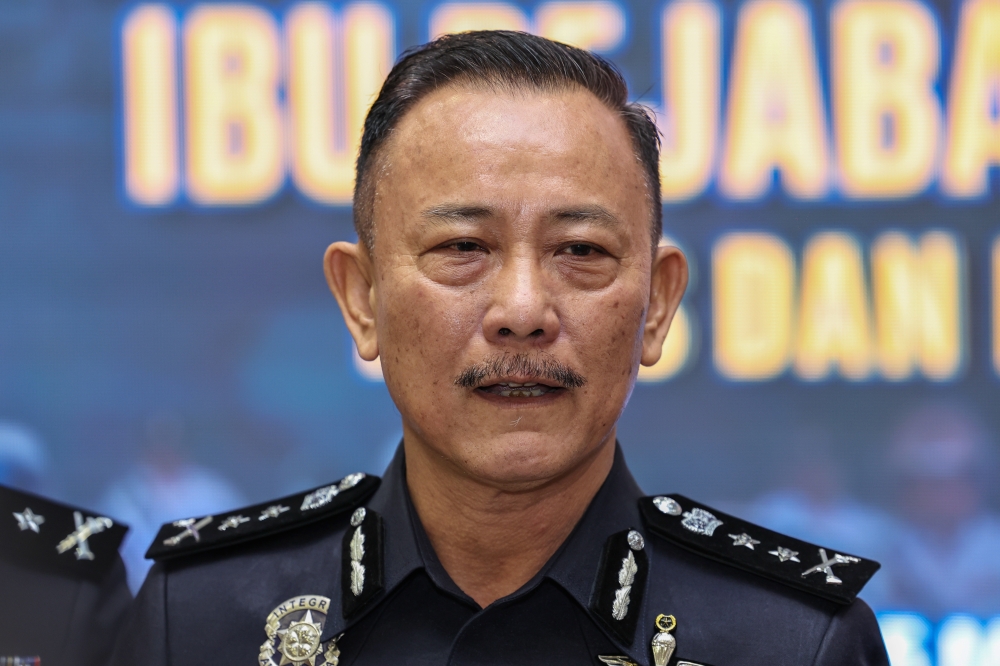
A major development has emerged in Johor Bahru following the discovery of a missing man's body in a river, with police announcing the arrest of three individuals to support their ongoing inquiry. The arrests mark a significant progression in an investigation that began when authorities were notified of the man's disappearance and subsequently located his remains in waters within the state.
The discovery has triggered a systematic police response coordinated by Johor's law enforcement authorities. The three detained men are now assisting investigators as they work to establish the precise sequence of events that led to the victim's death. Such cases often require careful examination of evidence and witness statements to determine whether the death resulted from criminal activity, accident, or other circumstances.
The location of the discovery—a river in Johor—has become central to the investigation. Authorities are likely examining how the body came to be in the water and whether the circumstances suggest foul play or misadventure. River discoveries in Malaysia occasionally involve complex investigations requiring expertise in forensics, witness identification, and circumstantial analysis.
Both the Johor police force and broader national law enforcement agencies typically deploy significant resources to cases involving unexplained deaths. The arrest of three individuals suggests that investigators have identified persons of interest whose involvement warrants formal questioning and evidence-gathering procedures.
The investigation represents an example of the coordination between missing persons inquiries and criminal investigations in Malaysian law enforcement. When a reported missing person's body is discovered, the investigation often transforms to establish causation and accountability. This transition requires methodical examination of available evidence.
For the victim's family, the discovery brings difficult closure to the period of not knowing the person's whereabouts. However, the ongoing investigation likely leaves them uncertain about the exact circumstances surrounding the death. Police investigations into such matters typically involve multiple stages of inquiry before conclusions can be drawn.
The state of Johor, like other Malaysian states, experiences occasional incidents involving unexplained deaths or missing persons. Each case demands dedicated investigative attention from police specialists trained in homicide, evidence collection, and witness examination. The three arrests signal that Johor police believe they have identified individuals whose statements or involvement may clarify what transpired.
In Malaysia's criminal justice framework, arrests for investigative purposes allow police to detain individuals while gathering evidence and conducting formal interviews. The next phase typically involves deciding whether to charge the arrested individuals, release them, or extend detention while inquiries continue. Such decisions depend on the evidence accumulated during the investigative period.
The river setting introduces specific investigative challenges. Water can obscure evidence, complicate forensic examination, and make establishing a precise timeline of events more difficult. Investigators must determine whether the body was deposited in the river immediately after death or at a later stage, whether it was weighted or moved by currents, and what environmental factors may have affected the remains.
Public attention to cases of missing persons and unexplained deaths in Malaysian communities often intensifies when bodies are discovered, particularly when local areas are affected. The incident in Johor may generate broader community concern about public safety and the circumstances that led to the man's death.
The investigation's outcome will depend on the quality and nature of evidence police obtain. Forensic findings, witness testimony, the arrested individuals' statements, and physical evidence from the scene will collectively build or refute theories about what occurred. Malaysian police investigations of this nature typically proceed methodically through established protocols.
As the inquiry develops, authorities will likely release additional details if charges are filed or if the investigation reaches significant milestones. Transparency in such investigations is important for maintaining public confidence in law enforcement's capacity to handle serious matters effectively.
For now, the three arrested men remain central to police efforts to reconstruct events and determine accountability. The discovery itself has answered the question of the missing man's location but raised urgent questions about how he came to be found dead in the river. Resolving those questions remains the focus of ongoing investigative work.

