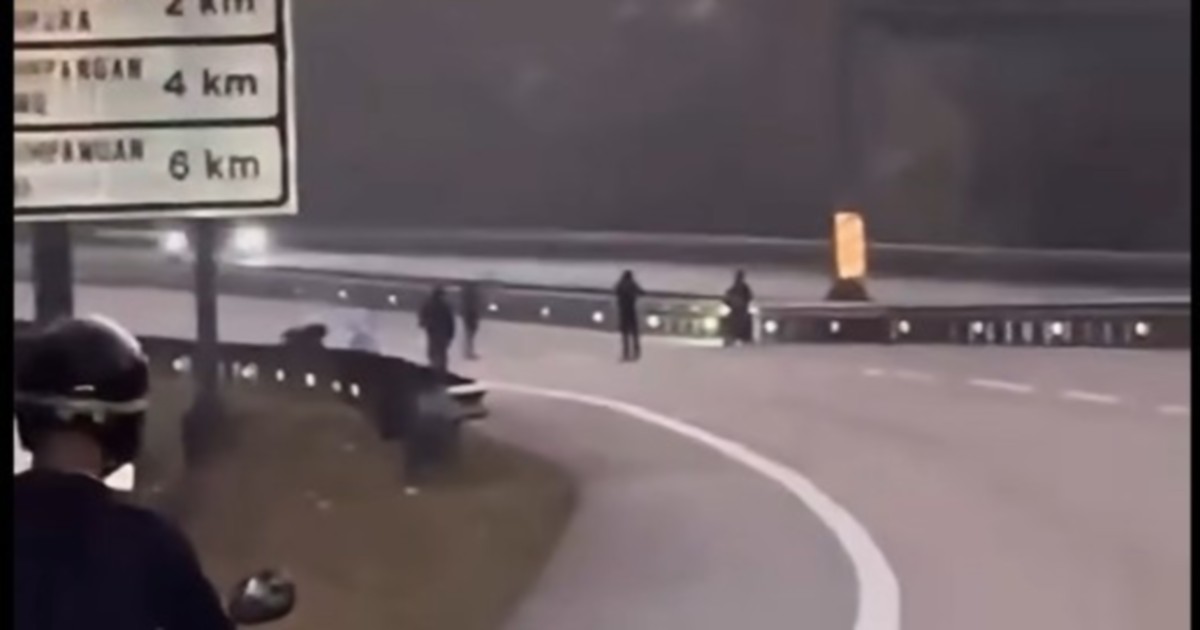
Police in Kulai have remanded three additional men in connection with an organised illegal motorcycle racing event that took place on the Second Link highway in Johor, escalating enforcement action against what has become an increasingly visible street racing phenomenon in the region. The latest arrests bring the overall detention tally to 11 individuals, signalling a comprehensive investigation into the operation and participation in the unauthorised high-speed event that posed significant risks to public safety on one of Malaysia's busiest interstate routes.
The Second Link, which serves as a critical transportation corridor linking southern Johor to neighbouring Singapore and carrying substantial commercial and passenger traffic daily, has emerged as a focal point for illegal racing activities in recent years. The choice of this particular highway by organisers and participants underscores the brazen nature of such operations, as the heavily trafficked route carries regular commuters, commercial vehicles, and families who face considerable danger from uncontrolled speed racing conducted without any safety precautions or traffic management measures.
The escalating arrest figures reflect what law enforcement agencies describe as a coordinated operation targeting different aspects of the illegal racing network. Investigators appear to be methodically building a comprehensive case that encompasses not only the actual racers but potentially the organisers, promoters, and support personnel who facilitate these events. The structure of remand patterns typically suggests authorities are distinguishing between various roles within the operation, ranging from direct participants to those who provide logistical or financial support.
Illegal street racing presents multifaceted dangers that extend beyond the immediate participants. Other road users, including families and commercial drivers who were innocently using the highway during the incident, were exposed to unpredictable and life-threatening situations created by motorcycles operating at dangerous speeds without regard for traffic laws or safety protocols. The potential for catastrophic collisions involving unprotected motorcycle riders and other vehicles remains a persistent concern that justifies the intensity of police response.
The Second Link incident represents part of a broader pattern of illegal racing activities across Malaysia that has drawn increasing attention from highway authorities and traffic enforcement agencies. Similar incidents have been reported on other major routes in Peninsular Malaysia, suggesting that organised racing networks operate across multiple locations and may share common participants, funding sources, or organisational structures. Understanding the interconnections between these various incidents could prove crucial to dismantling the underlying infrastructure supporting such activities.
From a legal perspective, illegal street racing carries serious consequences under Malaysian traffic and road safety legislation. Participants and organisers face charges that can result in substantial fines, vehicle seizures, and custodial sentences, depending on the specific circumstances and any resulting harm. The comprehensive nature of the current investigation suggests prosecutors are building cases that may invoke multiple charges covering different aspects of the illegal racing operation, potentially resulting in more severe penalties than would apply to individual isolated incidents.
The police response demonstrates the commitment of law enforcement to maintain highway safety standards and protect road users from preventable harm caused by deliberate violation of traffic regulations. Highway patrols and intelligence gathering have been essential components of identifying and apprehending those responsible for the Second Link incident, though such operations require significant resource allocation that diverts attention from other policing priorities. The success in rapidly identifying and detaining 11 individuals suggests effective coordination between traffic enforcement units and criminal investigation teams.
Community perception of road safety directly correlates with enforcement visibility and the certainty of consequences for dangerous driving behaviour. When motorists observe that illegal racing activities result in swift police action and meaningful legal consequences, compliance with speed limits and traffic regulations generally improves across broader populations. Conversely, the perception that authorities tolerate such activities can embolden further violations and create unsafe driving cultures that ultimately affect accident rates and public welfare.
The investigation's progress indicates that digital evidence, witness statements, and vehicle identification data have likely played crucial roles in identifying participants and reconstructing the sequence of events. Modern traffic management systems, including CCTV installations and automated enforcement technology along highways, provide investigators with substantial documentary evidence that makes identifying and prosecuting offenders considerably more feasible than in previous years. The Second Link's status as a major highway means comprehensive surveillance infrastructure supports enforcement operations.
Moving forward, the police investigation will likely focus on understanding the organisational structure supporting such racing events, including how participants are recruited, funding is arranged, and venues are selected and coordinated. Intelligence gathered during the current investigation may illuminate operational patterns that inform prevention strategies and enable authorities to anticipate and prevent future incidents before they occur. Disrupting the social and financial networks underlying illegal racing requires sustained engagement beyond individual arrests.
The case highlights ongoing tensions between enthusiast motorsports communities and public safety imperatives. While some individuals view motorcycle racing as legitimate expression of skill and passion, conducting such activities on public highways transforms them into dangerous antisocial behaviour that endangers uninvolved parties. Channelling racing interests toward legal venues with proper safety infrastructure and regulatory oversight represents a constructive path forward that permits motorsports participation without compromising public highway safety. Authorities continue exploring educational and preventive approaches alongside enforcement mechanisms to address underlying drivers of illegal racing participation.

