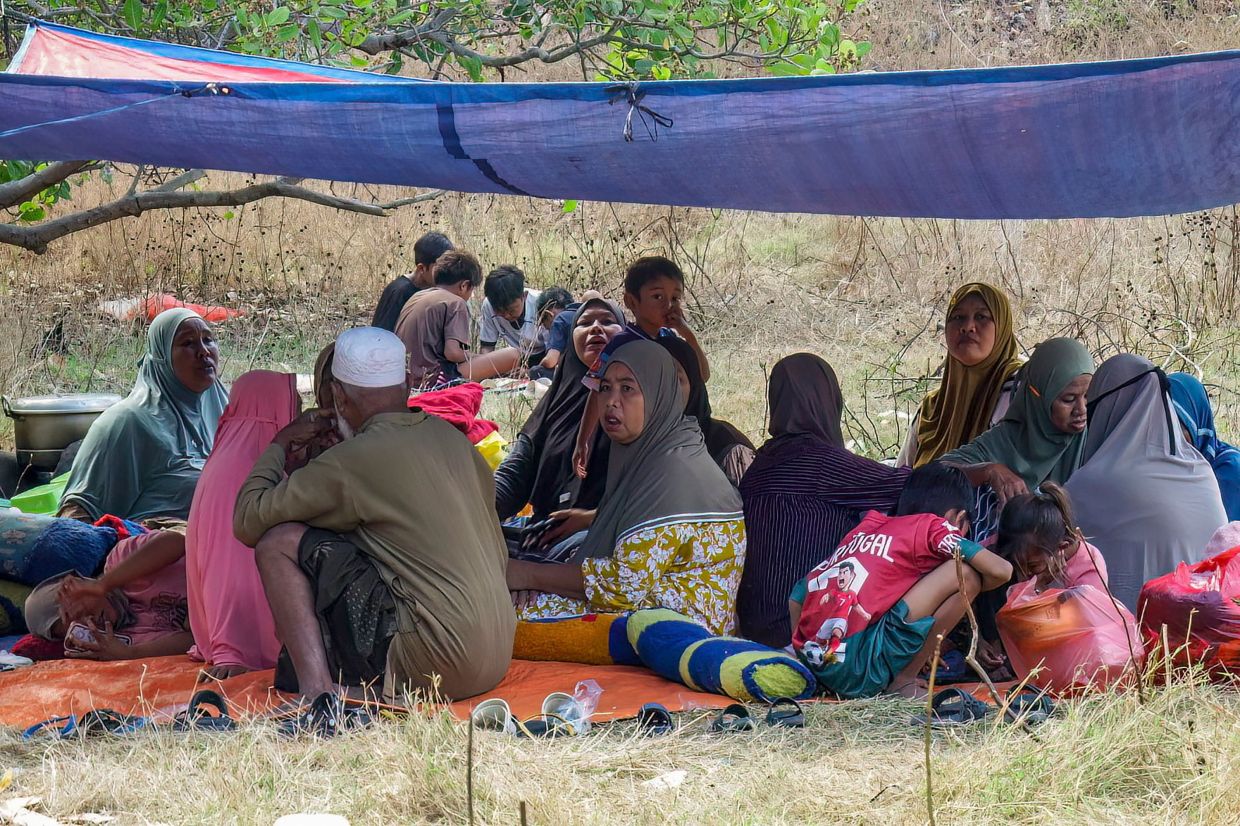
Thousands of residents displaced by a devastating earthquake on Indonesia's Flores island are struggling to survive without basic necessities as relief efforts ramp up in the remote region. The 7.7-magnitude quake, which struck early Saturday morning off the island's north coast, claimed at least 48 lives and injured over 100 others, while leaving more than 5,000 people homeless and fearful of returning to damaged structures. The disaster has crippled infrastructure across the affected areas, with some communities cut off from electricity, telecommunications and road access, intensifying the humanitarian crisis facing survivors.
The seismic activity did not end with the initial tremor. Indonesian disaster officials recorded 341 aftershocks throughout Saturday and Sunday, according to spokesman Berton Suar Pelita Panjaitan of the national disaster agency BNPB. This relentless sequence of tremors has kept residents in a state of heightened alarm, with many refusing to enter their homes despite the pressing need for shelter. The shallow epicentre location, positioned just offshore from Flores' northern coast, maximized the destructive impact on residential and commercial structures across the island's populated zones.
Survivors camped on hillsides describe harrowing conditions and urgent unmet needs. Residents of Nangahale village on the north coast emphasized the desperation of their situation, citing critical shortages of food, clean drinking water, medicines and basic supplies for children. One villager, Umri, spent 24 hours huddled on a hilltop with others too frightened to descend to their damaged homes. The psychological toll weighs heavily on survivors, particularly those who experienced the catastrophic 1992 earthquake that devastated the same region. Nurhidayati, a 55-year-old evacuee, revealed how trauma from that earlier disaster—which killed approximately 2,500 people and triggered a tsunami—continues to haunt her three decades later, leaving her unable to overcome her fear despite the immediate need for shelter.
The material destruction across Flores is staggering in scope. Authorities documented at least 914 houses suffering severe structural damage, with hundreds more damaged to varying degrees. The earthquake's impact extended beyond residential properties to critical public infrastructure. A total of 93 educational facilities, 36 health centres and 38 government offices sustained damage, further hampering the region's ability to coordinate relief efforts and provide essential services to survivors. These losses have effectively paralyzed normal economic and social activity across affected communities, compounding the crisis beyond immediate emergency needs.
Government response mechanisms mobilized quickly despite the geographic challenges of reaching the remote island. The BNPB identified urgent requirements including emergency shelter tents, food supplies, medical provisions, blankets, camp beds, water purification equipment and electricity generators. The central government deployed 50,000 aid packages weighing 275 tonnes to the disaster zone, representing a substantial initial commitment of resources. The provincial government of East Nusa Tenggara, which encompasses Flores, initiated proceedings to declare a 14-day emergency response status, enabling expedited access to additional funding and resources from the national budget.
International assistance complemented domestic efforts from the outset. The International Federation of Red Cross and Red Crescent Societies began preparations to establish temporary shelters and distribute humanitarian aid to the displaced population. In a notable gesture of solidarity, European Union president Ursula von der Leyen offered access to the Copernicus Earth observation satellite network to support ongoing search and rescue operations. This technological contribution aims to provide real-time imaging of affected areas to identify survivors, damage patterns and priority intervention zones that ground teams might otherwise struggle to identify across the expansive affected region.
The initial moments following Saturday's quake sparked additional panic when coastal residents observed the sea retreating from beaches, a phenomenon often preceding tsunami waves. Thousands fled uphill seeking higher ground, fearing a destructive wall of water would strike the coast. Indonesian seismic monitoring authorities later reported waves reaching 1.6 metres in some coastal areas before issuing an all-clear for tsunami danger. However, officials maintained warnings against rapid return to buildings, as continued aftershock activity posed the ongoing risk of structural collapses that could prove fatal to those occupying damaged structures.
The search and rescue operation proceeded methodically during the critical initial 48-hour window when survivor recovery rates typically remain highest. Local rescue coordinator Fathur Rahman reported no confirmed cases of people buried beneath rubble or missing, suggesting that the relatively low-rise building construction prevalent on Flores may have limited the entrapment and fatality rates compared to urban earthquakes elsewhere. Rescue teams concentrated efforts on thorough systematic searches rather than responding to specific reports of trapped individuals, reflecting the disaster agency's assessment of the damage distribution across communities.
Flores' vulnerability to seismic hazards reflects Indonesia's precarious geographic position within the Pacific Ring of Fire, a vast arc of tectonic instability encircling the Pacific basin from Japan through Southeast Asia to the western Americas. This active zone generates approximately 90 percent of the world's earthquakes, making major tremors a recurring phenomenon for Indonesia. The country's recorded seismic history includes catastrophic events that dwarf the current disaster, most notably the 2004 Boxing Day earthquake off Sumatra's coast. That 9.1-magnitude tremor triggered an Indian Ocean tsunami that killed approximately 220,000 people regionally, with around 170,000 deaths in Indonesia alone, earning grim distinction as one of humanity's deadliest natural disasters.
The Flores earthquake underscores persistent challenges facing Indonesia's disaster preparedness systems. Remote island communities often lack sufficient building code enforcement, early warning systems, and pre-positioned emergency supplies to respond effectively to major seismic events. The geographic isolation that characterizes many affected areas complicates logistics for aid distribution during critical post-disaster windows. For Malaysian observers, the disaster offers sobering reminders of regional vulnerability to earthquake hazards, particularly affecting Malaysia's eastern areas within the Sunda Strait seismic zone and the potential tsunami implications across the Strait of Malacca and South China Sea shipping lanes.

