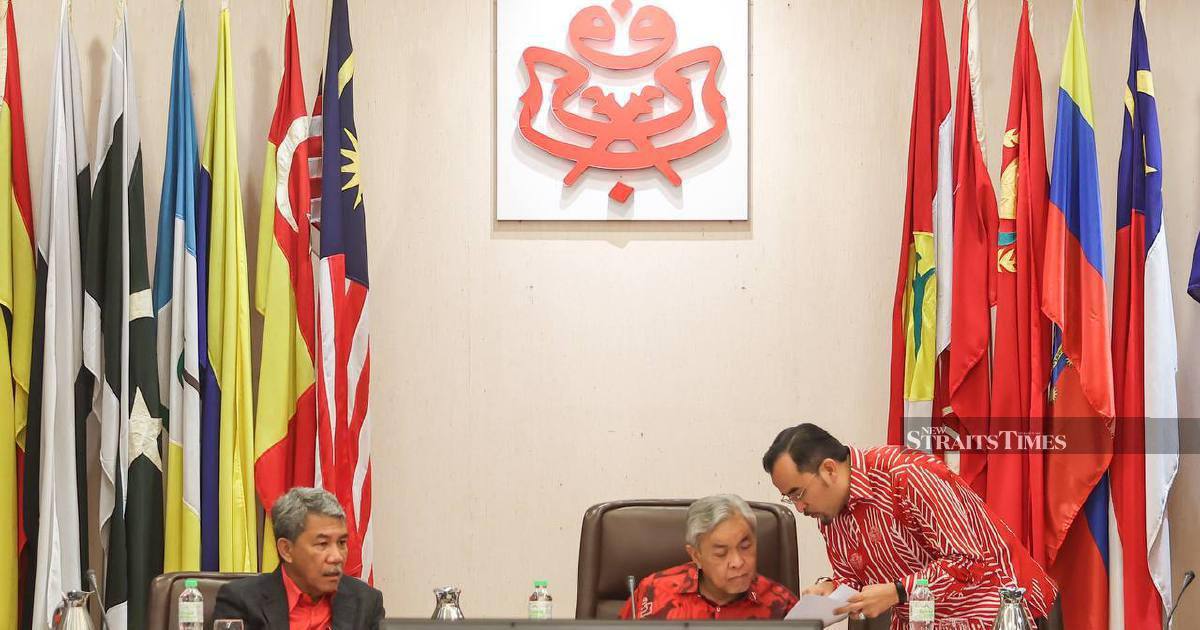
Umno secretary-general Datuk Dr Asyraf Wajdi Dusuki has reiterated a cornerstone of Malaysia's legal framework, insisting that individuals detained during police investigations must not be treated as guilty parties until such time as they face judicial proceedings and secure a formal conviction in court. The statement underscores growing concerns about public perceptions and media treatment of detainees, particularly in high-profile cases that capture national attention and generate intense public scrutiny.
The presumption of innocence represents a bedrock principle enshrined in Malaysia's Federal Constitution and reflected throughout the country's legal architecture. This doctrine ensures that every person, regardless of their circumstances or the allegations they face, retains their status as an innocent party unless and until evidence presented in a court of law proves otherwise. The emphasis placed by Asyraf on this fundamental right speaks to the tension that often emerges between investigative necessity and individual rights protection during periods of heightened political activity or major criminal inquiries.
In Malaysia's criminal justice system, detention during investigation serves a specific purpose: gathering evidence, interviewing witnesses and accused persons, and assembling the factual foundation necessary for prosecution decisions. However, the duration and conditions of detention have frequently attracted judicial scrutiny and international attention. The distinction between detention for investigation and conviction following trial remains critical to understanding how the legal system operates and where authorities' powers are properly limited.
Ashraf's intervention becomes particularly significant given the Malaysian context, where high-profile arrests often generate substantial media coverage and public commentary that can shape public perception before legal processes conclude. Social media amplifies these dynamics, with individuals frequently facing public condemnation or character assassination based on preliminary allegations rather than established facts. The need to reinforce legal principles during such periods becomes essential for protecting the integrity of both individual rights and the justice system itself.
The constitutional right to the presumption of innocence carries practical implications throughout Malaysia's legal system. Defence counsel relies upon this principle when preparing cases, prosecutors must meet stringent evidentiary standards, and judges approach proceedings with the understanding that the burden of proof rests entirely with the state. When these principles erode in practice—whether through media narrative, public assumption, or institutional pressure—the entire framework becomes compromised. Detainees without significant resources or public support remain particularly vulnerable to unfair treatment when this presumption weakens.
Ashraf's statement also addresses the role of institutional actors in reinforcing or undermining these protections. Police investigators, while conducting their duties, must operate within constitutional boundaries. Public officials who comment on pending cases bear responsibility for either strengthening or weakening public confidence in impartial justice. The manner in which authorities discuss detainees in press statements, their willingness to provide commentary to media representatives, and their conduct during detention all contribute to whether the presumption of innocence remains meaningful in practice.
International human rights frameworks and comparative legal systems consistently emphasize the importance of this principle, and Malaysia faces ongoing scrutiny from regional and global bodies regarding the consistency between its constitutional commitments and actual enforcement. The United Nations and regional human rights mechanisms have periodically raised concerns about detention practices and fair trial guarantees in Malaysia. By articulating this principle clearly, senior political figures help create the conditions where courts and enforcement agencies can operate according to established legal standards.
For Malaysian readers, understanding this distinction carries direct relevance. Whether facing minor criminal matters through the magistrate's court or more serious cases in the high court, every accused person benefits from this constitutional protection. The principle also extends beyond criminal defendants to touch the rights of suspects, witnesses, and anyone whose conduct comes under official investigation. When political leaders reinforce these principles publicly, they signal institutional commitment to rule of law and create pressure for consistent application across all cases, regardless of the prominence or identity of those involved.
The Malaysian Bar Council and civil society organizations have consistently advocated for stronger protections around detention conditions and fair trial guarantees. These groups emphasize that the presumption of innocence remains theoretical unless accompanied by tangible safeguards: access to legal representation, limitations on detention periods, prohibition of coerced statements, and transparent communication with family members. The intersection of Asyraf's statement with ongoing discussions about detention procedures reveals how political acknowledgment of principles must translate into actual institutional reform.
Ashraf's remarks gain added weight from his position within Umno, Malaysia's historically dominant political party. When senior figures from major political organizations reinforce constitutional principles and fair trial protections, they help create a political consensus around rule of law that transcends factional differences. This becomes increasingly important during periods when particular cases or investigations capture partisan political attention or generate factional criticism of investigative authorities.

