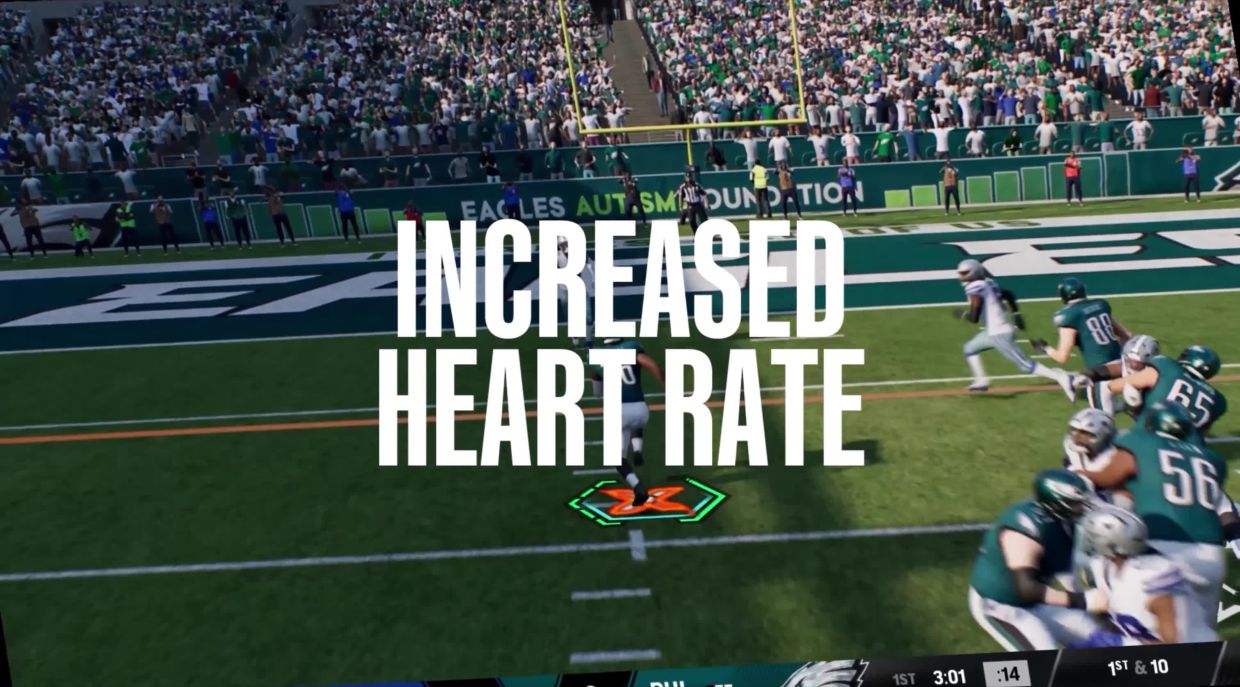
When a linebacker collides with a running back during a routine Madden NFL play, those using a specialised modification experience something the official game deliberately omits: the visceral impact of a head injury. The screen blurs, vision distorts, high-pitched ringing fills the audio, and the player's sense of control becomes compromised. This free mod, numbering 9,000 lines of computer code, attempts to make visible what the NFL's flagship video game has systematically hidden from millions of players since the end of the 2010s.
The modification represents a pointed critique of how the entertainment industry, particularly through its partnership with the NFL, has systematically sanitised one of sport's most serious health risks. Players who download the mod encounter symptoms that reflect genuine concussion experiences: blurred and distorted vision, light sensitivity, nausea, elevated heart rate, persistent headaches, breathing difficulties, dizziness, and tinnitus. The disorienting screen effects serve as a crude approximation of the neurological disruption athletes endure after traumatic impacts. EA Sports, the game's developer, has declined to comment on the mod or its implications for how the franchise depicts player safety.
The timing of concussions' disappearance from Madden coincides precisely with intensifying public scrutiny of the NFL's handling of brain injury research and player welfare. During the 1990s and well into the 2010s, the game included visible consequences for head trauma—ambulances removing injured players, animations of athletes undergoing sideline concussion evaluations. Yet as litigation against the league mounted and documentaries began exposing the long-term neurological costs of professional football, these safety mechanics quietly vanished. The shift reflects an industry-wide choice to suppress uncomfortable realities, prioritising the game's appeal to younger audiences and prospective players over educational accuracy.
Chris Borland, a former NFL linebacker who retired after his rookie season due to concerns about chronic brain injury, acknowledges the mod's awareness-raising intent while questioning its limitations. He points out a fundamental gap between experiencing a visual representation of concussion symptoms while relaxed on a couch and confronting the genuine, lasting neurological consequences that reshape lives. Borland emphasises that authentic realism would require depicting the cascading personal and emotional damage that extends far beyond the field—marital strain, cognitive decline, and the psychological burden of permanent injury. The mod, he suggests, captures only the immediate sensory experience, missing the existential dimensions that make brain injuries so catastrophic.
The removal of concussions from Madden reflects deliberate decisions made at the intersection of corporate strategy and league interests. According to a former NFL executive, the league's licensing department conducts annual quality control reviews of the game, including discussions about concussion mechanics. The league wanted head injuries portrayed with sufficient realism to acknowledge their existence, yet the apparent decision to exclude them entirely signals a preference for avoiding uncomfortable gameplay implications. The irony deepens when considering that other injuries—ankle sprains, muscle strains—remain fully modelled, forcing players to make tactical decisions about whether to risk further damage by keeping injured athletes on the field.
Ben Utecht, a former tight end who retired in 2010 specifically because of concussion concerns, articulates the fundamental hypocrisy. If a video game simulation chooses to include realistic injury mechanics for other body parts, excluding concussions represents a selective erasure of the sport's most serious health threat. This selective omission sends a problematic message, particularly to younger players and parents considering whether to allow their children to participate in organised football. By normalising a version of the sport where head injuries simply don't exist as gameplay consequences, Madden and the NFL implicitly suggest that brain damage isn't a legitimate concern worthy of integration into the sporting experience.
The scale of concussions in professional football underscores the severity of the issue. During the most recent NFL season, 168 reported concussions occurred—a significant jump from 129 cases the previous year, which the league attributed to rule changes encouraging additional kick returns. These aren't rare anomalies but recurring events that happen with measurable frequency in every season. The NFL's official protocol now requires a blue sideline tent where players exhibiting potential concussion symptoms undergo mandatory evaluation before returning to play, yet this very protocol—reflecting the seriousness with which the league now treats head injuries—remains conspicuously absent from its own video game simulation.
The mod's origins trace to genuine tragedy and the determination to prevent similar losses. Kristen Thomson Sheely, executive director of the Derek Sheely Foundation, became an advocate after her son Derek, a fullback at Frostburg State University in Maryland, died at age 22 following a brain injury sustained during college football practice in 2011. According to court documents, Derek complained of a headache after an initial head impact, but coaching staff dismissed his concerns and returned him to a 7-on-7 drill. He subsequently collided with a defensive back, walked to the sideline appearing dazed, and collapsed within minutes, never regaining consciousness. The case resulted in a US$1.2 million settlement with the NCAA and Frostburg State, which retired Derek's number 40.
Sheely recognises Madden's massive reach among young people and athletes as an opportunity to communicate about concussion dangers to audiences who would never independently seek out injury prevention resources. Video games occupy enormous portions of leisure time for teenagers and young adults who might never engage with formal concussion education materials. A modification that embeds brain injury awareness into their gaming experience could theoretically touch millions of people who would otherwise remain ignorant about the long-term neurological consequences of head trauma. When players complete a game using the concussion mod, Derek Sheely's retired jersey number unfurls across their screen—a memorial that transforms entertainment into an unexpected moment of reflection about the human cost of the sport.
The broader debate surrounding this mod extends beyond one video game modification to encompass questions about corporate responsibility, authenticity in sports simulation, and whether entertainment products should acknowledge uncomfortable truths about the activities they simulate. Southeast Asian audiences, where American football is increasingly popular particularly among younger demographics exposed to NFL content through streaming and social media, should consider what messages are embedded in the products they consume. The choice to omit concussions from Madden sends a clear signal that corporate interests in downplaying player safety concerns outweigh the value of honest representation.
The modification itself exists within gaming culture's long tradition of community-created enhancements. Player-made mods have fundamentally altered how people experience sports games, altering rosters, modifying physics engines, and updating graphics years after official development ceases. That this particular mod focuses on a health and safety issue rather than cosmetic enhancement speaks to its creators' conviction that the video game industry has failed in its responsibility to acknowledge one of sport's most serious dangers. The mod represents not just a technical achievement but a form of protest against deliberately constructed ignorance.
Looking forward, the question remains whether EA Sports and the NFL will reconsider their approach to simulating concussions in the Madden franchise. Current trends in sports science and public health communication increasingly emphasise transparent discussion of injury risks as essential to informed decision-making. Young people deciding whether to pursue football careers deserve access to complete information about potential consequences. A video game that purports to simulate professional football authentically yet systematically erases its most serious injury risk undermines that principle. The concussion mod, created outside official channels and distributed freely, has succeeded where corporate partnerships have failed—it has made visible what institutional interests preferred to keep hidden.

