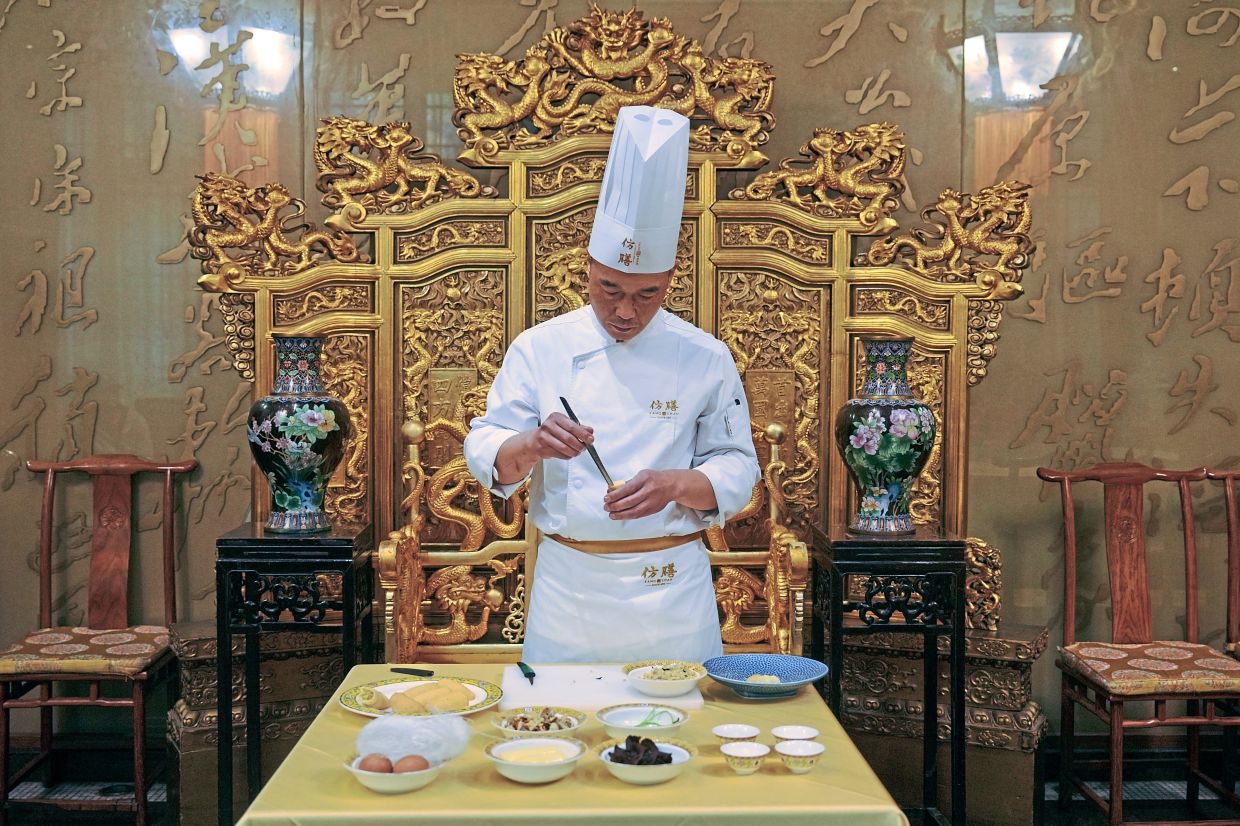
Centuries after the collapse of imperial China, the ornate dining customs and refined techniques of the imperial court continue to shape modern cuisine through dedicated preservation efforts in Beijing. A singular institution stands at the forefront of this endeavor: Fangshan Restaurant, which has maintained an unbroken connection to the royal kitchens since its establishment in 1925 by former Qing Dynasty chefs stationed at Beihai Park. The restaurant's name itself—meaning "imitating the imperial cuisine"—encapsulates its mission to keep alive a culinary tradition that once existed solely to satisfy the palates of emperors and their most privileged court members. Through dishes like the legendary "dream pastry," allegedly inspired by a vision of Empress Dowager Cixi that was materialized by her grateful chef, these establishments offer contemporary diners a tangible connection to an extinct political order.
Imperial cuisine represented far more than mere sustenance; it encompassed an elaborate system of rituals, hierarchies and symbolic meanings that reinforced the emperor's authority and the social order of the court. The daily meals consumed by emperors operated under different conventions than the grand feasts held throughout the imperial calendar, each with prescribed protocols governing who could eat what, and in what sequence. Research from China's Palace Museum reveals that ceremonies surrounding food consumption contained deep ritual significance, particularly during Qing Dynasty state occasions when tea, wine and carefully prepared dishes became instruments through which the emperor distributed favor and reinforced loyalty among princes and officials. These recipients would perform prescribed gestures of respect and deference before consuming the offerings, transforming the simple act of eating into a political performance that demonstrated subordination to imperial authority.
Among the most significant imperial rituals involved the consumption of sacrificial pork at the Palace of Earthly Tranquility, a ceremony that stood among the most important observances of the Qing court. The preparation of this dish followed strict protocols: the fatty pork was boiled deliberately without salt, preserving its natural flavor in a manner that scholars argue reflected deeper philosophical meanings rooted in ancient Chinese tradition. The "Book of Rites," a classical text governing ceremonial behavior, describes similarly unseasoned meat broths served during sacrificial ceremonies, suggesting that the deliberate absence of added flavoring carried symbolic weight. Rather than representing culinary incompleteness, the austere preparation style invoked memory of simpler, earlier cooking methods and expressed a ritual commitment to honoring antiquity and the cultural foundations upon which the empire rested.
The technical mastery required to maintain these traditions represents an extraordinary challenge in contemporary settings where mechanization and industrialization have become the default approach to food production. Traditional imperial techniques mandate that all work be performed by hand, prohibiting the use of modern conveniences such as blenders or food processors that dominate professional and domestic kitchens throughout the developed world. Ingredients undergo labor-intensive preparation: beans must be pulverized using traditional sieves, and certain flours require handling in custom-made copper pots that have been used for generations. This commitment to traditional methods stems not from nostalgia but from practical culinary results—the handcrafted approach produces distinctive textural qualities, particularly the delicate graininess and sandy mouthfeel that characterize authentic imperial pastries, effects that mechanical processing simply cannot replicate regardless of technical sophistication.
Pastries occupied a central position within imperial cuisine, valued both for their gustatory qualities and their visual presentation. Fangshan maintains a specialized pastry program that produces items like the pea flour cake and red bean roll, which have become bestselling items with daily production exceeding two hundred units during peak seasons. These confections carry historical pedigrees tracing directly back to the imperial court, with recipes and techniques transmitted through mentorship chains extending across generations. The small steamed corn bun and Cixi's dream pastry represent not merely historical curiosities but active culinary creations that continue to evolve while maintaining fidelity to their origins. The stories embedded within these dishes—the narrative of Cixi's midnight craving and the chef's rewarded cleverness—enhance their appeal to modern diners who recognize that the pastries carry cultural weight extending far beyond their ingredient lists.
One specialized technique exemplifying the innovation and artistry demanded within imperial cuisine is "Nizihuo," a labor-intensive process involving the meticulous mincing of ingredients such as fish, shrimp or chicken into silken paste before reshaping the resulting material into decorative animal and botanical forms. Chefs mastering this technique must possess both technical precision and artistic sensibility, as the dishes produced must simultaneously satisfy three distinct criteria: visual beauty that would honor the imperial table, nutritional completeness, and genuine innovation that would distinguish the dish within the vast imperial repertoire. This multidimensional approach to cooking contrasts sharply with modern culinary education, which emphasizes efficiency and speed. Young chefs joining Fangshan often experience disorientation upon discovering that established culinary school training becomes largely irrelevant within the imperial kitchen, where slower processes and handcrafted approaches supersede the rapid-production methodologies taught in contemporary professional settings.
The evolution and adaptation of imperial cuisine presents ongoing challenges for institutions committed to preservation while acknowledging changed circumstances and ethical considerations. Certain ingredients historically central to imperial dining—most notably bear paws and other endangered animal products—can no longer be ethically or legally incorporated into dishes, necessitating thoughtful reformulation that honors the original dish's conceptual essence while substituting sustainable alternatives. This adaptive approach reflects a deeper understanding that culinary preservation involves far more than rigid adherence to historical recipes; rather, it requires grasping the philosophical and aesthetic principles underlying each dish, then creatively addressing how those principles might be honored under contemporary constraints. The fusion of Manchu and Han culinary traditions that characterizes Fangshan's offerings represents this adaptive philosophy, blending the court culture of Qing rulers with the majority Han population's culinary achievements to create something simultaneously historically grounded and culturally inclusive.
Scholarship examining Chinese culinary history reveals that cuisine has functioned as a vehicle for expressing complex ideas about politics, cultural identity and personal aspiration throughout Chinese history. The Tang Dynasty poet Du Fu composed verses about cold noodles prepared with pagoda-tree leaves that transcended mere food description, instead utilizing the dish as a metaphor for political loyalty and his unfulfilled ambitions to serve the emperor. This poetic tradition demonstrates that Chinese food has long carried meanings embedded within broader cultural narratives and individual psychology. Understanding this symbolic dimension transforms how contemporary diners engage with imperial cuisine; the dishes become less about recreating historical authenticity and more about participating in an ongoing conversation about how societies remember and reinterpret their pasts. The stories servers at Fangshan relate to customers as they present these dishes serve this interpretive function, inviting diners to consume not merely food but cultural memory and historical meaning.
The preservation of culinary heritage ultimately requires societies to take the history of food preparation seriously, recognizing that eating practices reveal fundamental truths about how people organized themselves politically, related to their environments, and understood their places within cosmic and social orders. Fangshan Restaurant and similar institutions across Beijing function as living archives where techniques, recipes and philosophical approaches to food continue to circulate and adapt rather than become fixed museum exhibits. The handcrafted pastries served today carry forward knowledge accumulated across centuries, while the deliberate choices made by contemporary chefs about which traditions to maintain and which to modify reflect ongoing cultural negotiation about what imperial cuisine means in the twenty-first century. For Malaysian and Southeast Asian observers, the Chinese approach to preserving culinary heritage offers instructive examples of how traditional food systems can remain economically viable and culturally relevant while maintaining connection to historical roots, demonstrating that heritage need not be static or exclusive to elite specialists but can flourish through accessible restaurants where ordinary customers participate in cultural continuity.

