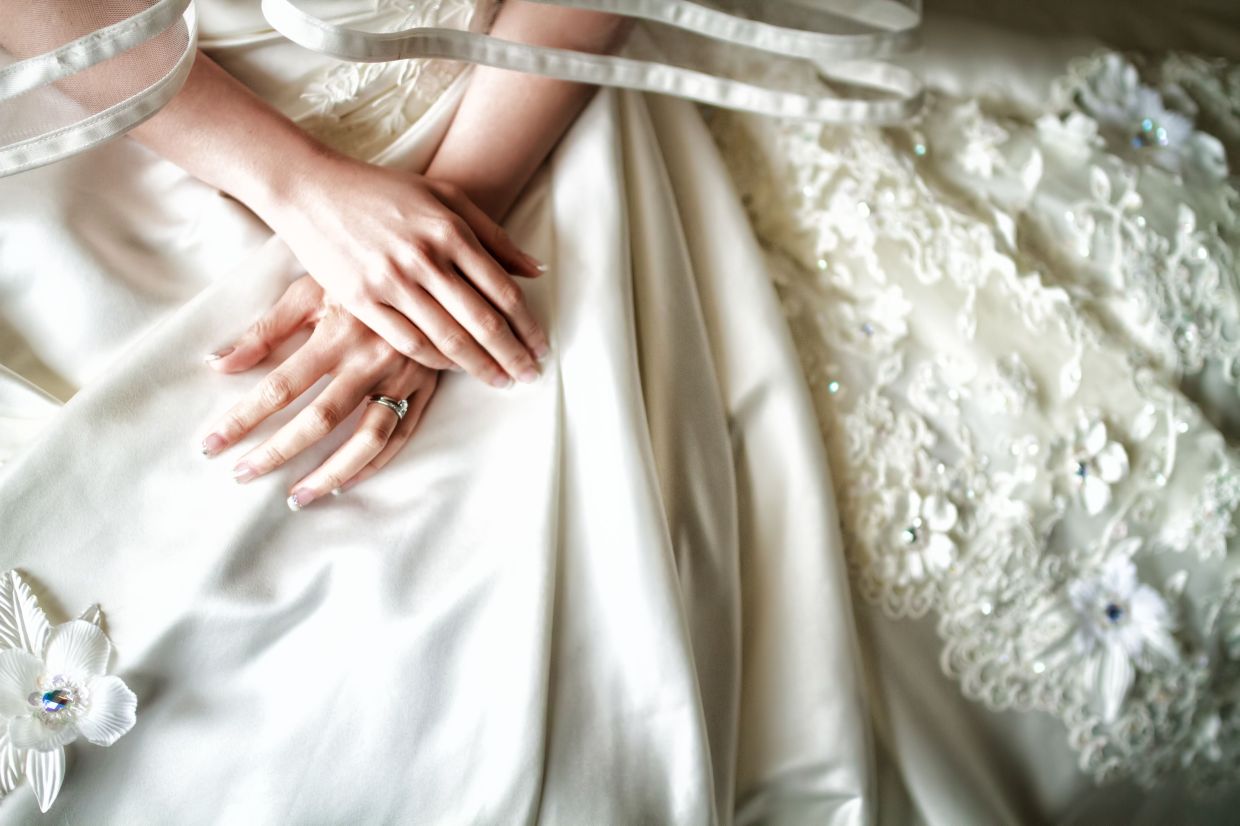
The decision to part with a mother's wedding dress, especially when there are no daughters to pass it to, touches on something far deeper than wardrobe management. These garments function as tangible connections to our past, embedding within their seams the joy, anticipation, and life circumstances of those who wore them before us. They become more than fabric and thread; they transform into repositories of family narrative and personal identity, making the act of discarding them feel akin to erasing history itself.
Psychologically and culturally, wedding dresses occupy a uniquely powerful position in our relationship with clothing. Unlike everyday garments that fade into background routine, a wedding dress marks a pivotal life moment—a day when everything feels heightened and consequential. When that dress has also belonged to a parent, grandparent, or other family member, the emotional stakes multiply. The garment becomes a bridge across generations, a physical reminder of continuity and connection. Many people who encounter cherished clothing from their parents or grandparents find themselves unable to discard these items because doing so feels almost transgressive, as though they are failing some unspoken obligation to honour family legacy.
Yet keeping everything creates its own complications. Storage space is finite, and there exists a meaningful distinction between thoughtful preservation and unconscious hoarding. The tension between heritage and practicality defines a genuine dilemma that contemporary families face as living spaces shrink and lifestyles shift. This is where expert guidance becomes valuable. Cameron Silver, founder of Decades vintage store and luxury consultant, has witnessed this struggle repeatedly. He emphasizes that his role is less about convincing people to abandon possessions and more about facilitating genuine reflection. His approach begins with foundational questions: Does the dress still fit? Will it realistically be worn again? Most tellingly, how would losing it feel—would it cause genuine distress or relief?
Those wrestling with these questions have several meaningful alternatives to simple disposal. Transformation represents one path, where the original gown becomes the raw material for an entirely new garment—perhaps a christening dress for a child, a decorative pillow, or a contemporary piece that still carries its history woven into new purpose. This approach preserves the physical material and creates something functionally useful, though it necessarily divorces the dress from its original symbolic meaning.
Donation offers another avenue, particularly through specialized organizations like Brides Across America, which supplies wedding gowns to military service members and emergency medical workers who might otherwise lack resources for formal wedding attire. Beyond the practical gift, there is profound meaning in knowing one's family heirloom will celebrate another person's pivotal day. Emily Spivack, who runs workshops documenting garments with family significance, suggests accompanying donations with written notes explaining the dress's history and provenance. This practice ensures the next wearer inherits not just the gown but its story as well.
Documentation itself can provide psychological closure without physical separation. Spivack's workshop model involves gathering with the significant garment, photographing it from multiple angles, and writing detailed accounts of its origins, the person who wore it, and the occasions it marked. Participants report feeling they have genuinely processed their relationship with the item after this exercise, freeing them to pass it along without guilt or residual attachment. These stories can be maintained digitally, shared among family members, and preserved indefinitely, transforming the emotional content into something durable and shareable.
Academies and museums increasingly recognize the historical and educational value of ordinary wedding garments. Universities including Smith College, Drexel, Ohio State, and Cornell have begun systematically acquiring wedding dresses and related accessories precisely because they illuminate lived experience rather than artistic innovation. Cornell's Fashion and Textile Collection, for instance, houses nearly 350 wedding-related objects among its 11,000 total pieces. These academic collections treat clothing as primary historical documents that reveal truths about social conditions, technological constraints, and cultural priorities across eras.
A 1942 wedding gown created by British dressmaker Cylka Berke exemplifies this approach. Made during wartime rationing in London, the dress demonstrates design resourcefulness—the dressmaker engineered every pattern piece to maximize yardage while minimizing waste, reflecting the practical constraints that civilians faced. Equally significant, Berke chose rayon rather than silk, a patriotic decision since military applications demanded silk for parachutes, escape maps, and blood chits. That material choice preserved the gown's brilliant white colour across eight decades, creating a visual record of wartime sacrifice and ingenuity. Though few people know Berke's name, her dress communicates profound historical truths to viewers who encounter it in an academic setting.
For Malaysian families with similar heirloom garments—whether traditional kebayas, elaborate brocaded dresses, or wedding gowns blending cultural elements—the same principles apply. These pieces document not just family milestones but also evolving fashion sensibilities, textile production capabilities, and cultural synthesis across generations. A dress that combines elements from multiple family traditions or reflects the aesthetic preferences of different eras becomes an accessible entry point for understanding one's own family's place within broader social and cultural shifts.
The emotional reckoning around these garments ultimately reflects deeper questions about how we honour the past while making space for the future. Neither unquestioning retention nor cavalier disposal represents wisdom. Instead, thoughtful evaluation of what each piece represents, what value it currently provides, and what options might extend its significance or meaning offers a path forward that respects both heritage and present-day reality. Whether through transformation, donation, documentation, or institutional preservation, families can navigate this challenging choice in ways that feel authentic to their own circumstances and values.

