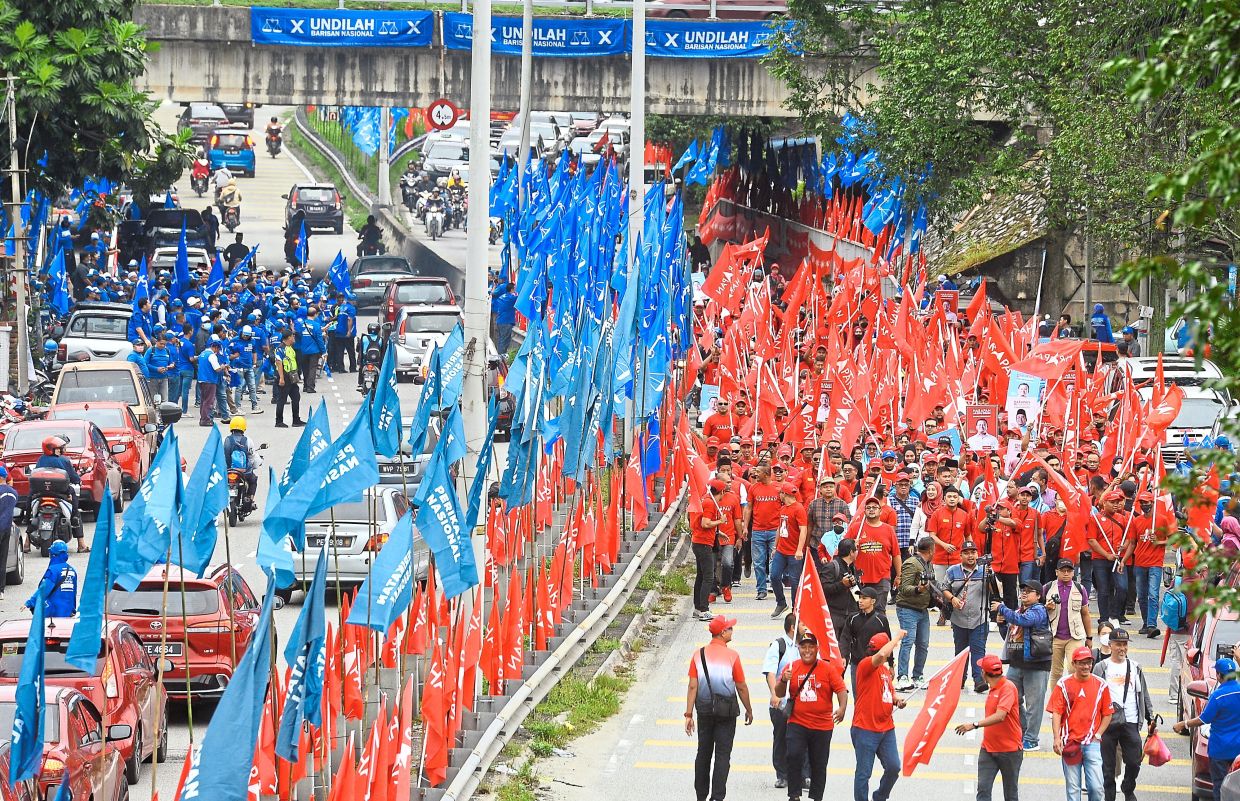
The approaching state elections in Johor and Negri Sembilan promise to be a period of heightened emotional intensity not just for politicians seeking nomination and victory, but for ordinary Malaysians watching the political drama unfold. Elections represent a unique moment when the political establishment experiences acute psychological pressure, with candidates wrestling anxiously over whether they will receive party endorsement, and those already nominated facing the sobering uncertainty of the ballot box. For sitting representatives and established figures, the stakes carry particular weight—the prospect of electoral defeat can feel like a wholesale loss of status, influence and hard-won political capital accumulated over years of service.
The emotional landscape for politicians during election season encompasses far more than simple competitive nerves. Incumbents and prominent contenders confront what psychologists might call existential political anxiety: the genuine fear of losing not only office but reputation and future opportunity. This psychological burden compounds with the physical toll of campaigning—poor sleep cycles, exhaustion and mounting irritability characterise the weeks leading up to voting day. The modern campaign environment intensifies these pressures considerably, as social media platforms become vectors for unverified accusations and sensationalised stories designed to undermine candidates. These digital attacks add genuine psychological distress to the already taxing rigours of electoral contest.
Yet Malaysian politicians have historically demonstrated remarkable resilience during these turbulent periods. Even when facing formidable opposition or uncertain prospects, they maintain their momentum and commitment, channelling their anxiety into energetic campaigning. This capacity to perform under pressure appears almost ingrained within the political class. However, such psychological fortitude comes at a cost to their personal wellbeing during the campaign season.
The impact of elections extends well beyond the political class to affect the broader population. Upcoming electoral contests and the possibility of general elections occurring before 2027 are likely to generate considerable stress among Malaysian voters of all persuasions. The constant stream of media analysis, dinner-table political arguments, workplace discussions and social media debates creates an environment of perpetual political engagement that can significantly erode mental wellbeing. Uncertainty about how election outcomes might reshape government policy, economic conditions and national direction generates anxiety even among those not directly participating in campaigns.
The contemporary political landscape complicates this stress considerably. Malaysia's expanding constellation of political parties, shifting coalitions and evolving strategic alliances create genuine complexity for voters attempting to make informed choices. The traditional clarity of two-bloc politics has fragmented into a more intricate patchwork of competing interests and alliance configurations. Voters already unsettled by the current political climate must invest considerable cognitive effort into understanding these permutations before casting ballots.
When political identity becomes deeply intertwined with personal identity, electoral competition transforms into something that feels more like personal confrontation than policy disagreement. This psychological mechanism explains why political differences increasingly generate interpersonal friction. Supporters of unsuccessful candidates often experience genuine distress and insecurity following electoral defeat, as if their own judgment and values have been rejected by society. During the campaign period, negativity amplified by news outlets and social platforms creates a pervasive atmosphere of anxiety and resentment that spills into families, friendships and workplaces. People become more emotionally reactive, irritable or withdrawn from normal social engagement.
Fortunately, Malaysian political culture contains a stabilising element that mitigates these tensions. Once voting concludes, the aggressive posturing and mutual suspicion that characterised the campaign period typically dissolves remarkably quickly. Rivals shake hands, smiles return across factional divides, and the society moves toward reconciliation. This capacity to compartmentalise political competition from personal relationships appears to be distinctly Malaysian and provides genuine emotional relief to the populace.
The physiological consequences of election anxiety warrant serious consideration. Stress and anxiety activate the body's autonomic nervous system, triggering increased release of adrenaline and cortisol—the primary stress hormones. Elevated adrenaline levels carry documented risks including increased susceptibility to heart attack and stroke. Chronically elevated cortisol disrupts multiple bodily systems: it raises blood sugar levels, suppresses immune function and constricts blood vessels. These aren't merely psychological phenomena but measurable biological responses with genuine health implications.
Election anxiety also affects the amygdala, paired almond-shaped brain structures that regulate sensory processing, emotional memory, decision-making and mood regulation. During periods of heightened stress, the amygdala can become hyperactive, responding to situations with disproportionate emotional intensity and reduced rational evaluation. Voters experiencing significant election-related stress may find their amygdala functioning in this hyperreactive state, making balanced political judgement more difficult.
While Malaysia lacks robust research specifically examining election anxiety, international evidence demonstrates that this phenomenon is genuinely global. The British Association for Counselling and Psychotherapy documented that during the 2019 general elections in the United Kingdom, approximately one-third of respondents reported measurable negative impacts on their mental wellbeing stemming from uncertainty about potential post-election policy shifts. Similarly, American research conducted ahead of the 2024 presidential elections revealed that 56 per cent of American adults identified the election as a "significant stressor" in their lives. These international patterns suggest Malaysian voters likely experience comparable pressures.
Beyond the immediate stress responses, individual personality types and accumulated political experience shape how people respond emotionally to elections and how these emotional states influence voting behaviour. While election anxiety represents a genuine psychosocial phenomenon, most registered voters approach voting day with genuine enthusiasm tempered by sense of civic responsibility. Their emotional motivations include gratitude toward preferred candidates and strong conviction about particular policy directions. Many voters will have invested considerable intellectual and emotional effort over months, carefully weighing political philosophies, party platforms and candidate credentials before reaching their voting decision.
The upcoming electoral contests will undoubtedly generate the characteristic tension and stress that accompanies any democratic exercise, but Malaysian voters and politicians alike should recognise these responses as normal manifestations of democratic engagement rather than pathological reactions. Understanding the emotional dimensions of elections—recognising both their psychological costs and the resilience they often reveal in political participants—provides valuable perspective as the country heads toward these important contests.

