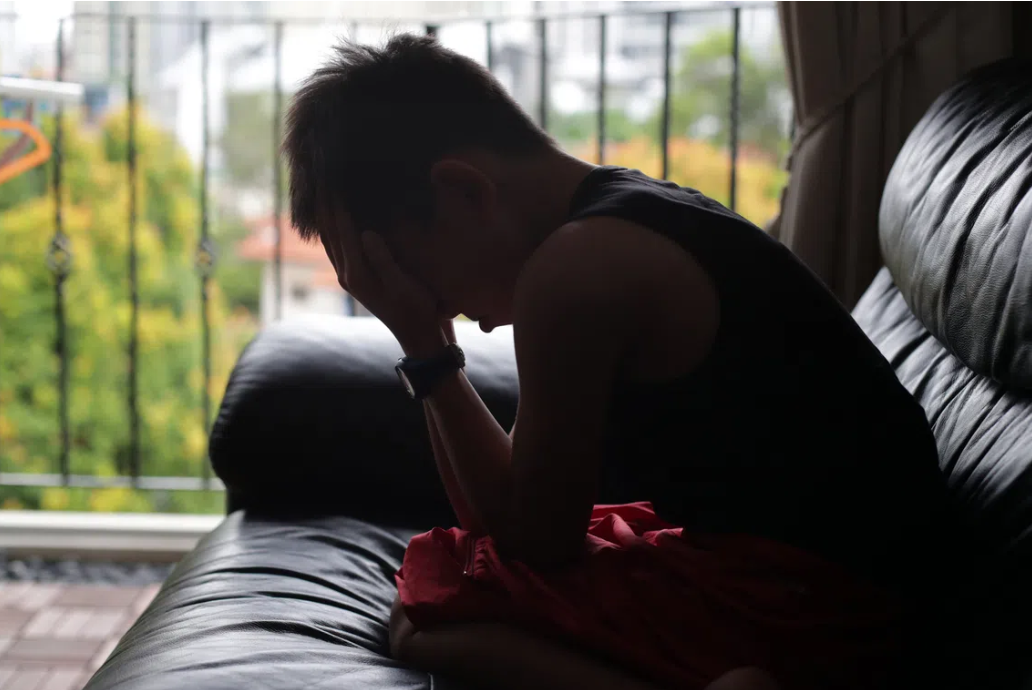
Thailand's Education Ministry has moved swiftly to address school bullying following the August 7 shooting at Debsirin Nonthaburi School on Bangkok's outskirts, where a 14-year-old student opened fire, killing nine people including himself. The incident, coupled with viral social media videos documenting other bullying cases at leading schools like St Gabriel's College in Bangkok, has thrust the issue into the national spotlight with unprecedented urgency. Yet as authorities roll out zero-tolerance policies and mental health screening programs, education specialists caution that legislative measures alone may struggle against an entrenched cultural framework that discourages victims from speaking out.
Surasit Nok-Ouam's experience offers a window into how pervasive bullying remains in Thai schools. Now 20 and working as a gig laborer, he endured four years of systematic harassment starting in kindergarten—harassment that extended far beyond name-calling to include physical violence. His story is far from isolated. A government survey conducted in September 2025 revealed that 65 percent of 42,000 respondents aged six to 25 had experienced bullying, with 83 percent identifying schools as the primary location where such incidents occur. The data underscores not merely isolated incidents but a widespread phenomenon affecting nearly two-thirds of Thailand's young population.
The nature of bullying documented in Thai schools spans a troubling spectrum. Being mocked about names or family background remains the most commonly reported form, though physical abuse proves disturbingly prevalent, with 28 percent of survey respondents reporting having been kicked or punched. In Surasit's case, bullies would follow him into bathroom stalls to splash water and hurl insults, creating such persistent anxiety that he dreaded using facilities at school. Another incident saw classmates deliberately pull down his sweatpants during physical education class. What makes such episodes particularly insidious is how victims' defensive reactions become fodder for further entertainment, trapping them in cycles where any response only amplifies their humiliation.
While authorities have suggested that bullying may have contributed to the Debsirin shooter's actions, police investigations remain ongoing and experts stress caution against drawing direct causation. The teenager was described as a quiet boy raised by caring grandparents, yet other factors—violent gaming content and academic pressure—have also been proposed as potential catalysts. Nonetheless, the incident has catalyzed serious discussion about bullying's documented psychological consequences. Among those surveyed, at least one in four have contemplated self-harm, and specialists identify depression, accumulating grievance, and unprocessed anger as predictable outcomes of prolonged victimization. Chinun Boonroungrut, a lecturer at Silpakorn University's department of psychology, cautions that while adolescent bullying does not inevitably lead to extreme violence, its capacity to inflict lasting psychological damage demands urgent attention.
Critically, the visibility of bullying incidents has increased not necessarily because the problem has worsened, but because social media now captures and amplifies what previously remained confined to school corridors. Aranee Vivatthanaporn, a criminology lecturer at Rangsit University, distinguishes between rising prevalence and rising visibility. The viral nature of videos documenting beatings at prestigious private schools reflects the digital era's capacity to expose long-standing practices rather than signaling an unprecedented crisis. This distinction matters for policymakers designing interventions: the problem may not be new, but public awareness now demands genuine accountability.
Prieo To-uam, a counselor who has worked with adolescents for four years, reports a marked increase in teenagers seeking mental health support over the past year. Her caseload reveals an sobering pattern: bullying emerges as a near-universal theme, whether among students attending local Thai schools or international institutions. She observes that what begins as ostensibly harmless teasing frequently metastasizes into systematic harassment. Victims often lack parental understanding or trusted adults to confide in, leaving them isolated with their psychological distress.
Here lies perhaps the deepest impediment to reform. Thailand's cultural concept of kreng jai—a complex notion of extreme consideration, politeness, and deference toward others—systematically discourages victims from reporting abuse. This cultural norm, which prioritizes social harmony and emotional restraint over direct confrontation, creates a protective umbrella for perpetrators. Victims internalize the expectation that raising complaints constitutes an impolite disruption of group cohesion, and this suppression of distress allows psychological crises to compound silently until they potentially manifest in explosive outbursts. The cultural machinery itself becomes complicit in perpetuating abuse.
Thailand's Education Ministry has announced a comprehensive response framework scheduled for implementation by early November. This includes establishing a zero-tolerance bullying policy, installing improved weapon detection systems, and creating referral mechanisms to identify at-risk students before crises escalate. Additionally, authorities are advancing a new "Student and School Safety Act" that mandates mental health monitoring and post-traumatic stress disorder screening for affected individuals. These measures address symptoms and institutional structures, introducing accountability where previously bullying often proceeded unchecked.
Yet implementers face a formidable challenge: policy directives cannot easily dislodge cultural orientations toward conflict avoidance that have evolved over generations. Teachers trained to model harmony may struggle to enforce disciplinary measures that require confrontation with bullies' families. Students socialized to value politeness may remain reluctant to report incidents even when zero-tolerance policies explicitly welcome their disclosure. The tension between top-down legislative reform and bottom-up cultural resistance remains unresolved, suggesting that Thailand's pathway forward demands not merely new rules but genuine cultural reorientation.
For Malaysian and Southeast Asian observers, Thailand's predicament offers instructive parallels. Similar cultural values emphasizing social cohesion and respect for hierarchy permeate Malaysian schools, and bullying remains a documented concern across the region. Thailand's current crisis and policy response serve as both warning and case study: technological visibility can force accountability where cultural norms previously enabled silence, yet legislation alone proves insufficient without parallel efforts to reshape how societies conceptualize speaking out. The months ahead will demonstrate whether Thailand can forge a new consensus where reporting bullying becomes an act of care for one's school community rather than a violation of cultural propriety.

